


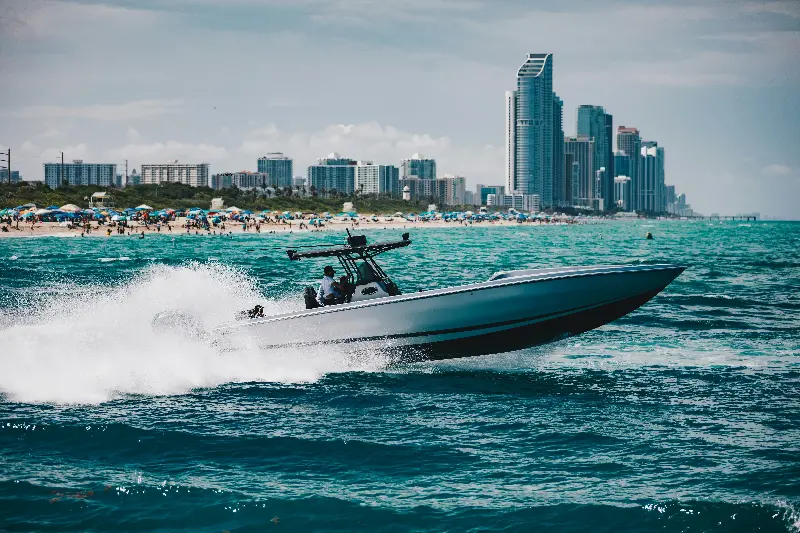
Boating in a powerboat offers a unique blend of speed, versatility, and the freedom to explore vast stretches of water. Whether you are aiming to reach a hidden fishing hole or simply want to cruise with friends, safe and enjoyable powerboating requires more than just turning a key. For the new boater, mastering a few foundational skills ensures that every outing is a smooth, stress-core adventure rather than a source of stress.
GETTING TO KNOW YOUR POWERBOAT AND GEAR
Before you untie from the dock, spend time familiarizing yourself with the specific mechanics of your vessel. Powerboats, particularly outboard or sterndrive models, have unique handling characteristics due to their propulsion systems.
- Throttle and Trim: Practice finding the "neutral" position and learn how to use the trim to level the boat while on plane.
- Safety Equipment: U.S. Coast Guard regulations require a life jacket for every person on board. Ensure yours are Type I, II, or III PFDs and that they are in good condition.
- The Kill Switch: Always clip the emergency engine cutoff switch (ECOS) to your life jacket or wrist. This is a vital safety measure if the captain is ever thrown from the helm.
WEATHER WATCHING AND ROUTE PLANNING
Powerboats allow you to travel long distances quickly, which makes pre-trip planning essential. Check the local forecast for small craft advisories or sudden shifts in wind direction. On the water, weather can turn in minutes; if you see darkening skies or a sudden drop in temperature, it is time to head back to the marina.
Familiarize yourself with your navigation charts. Note the location of:
- Shallow Sandbars: Powerboat propellers are easily damaged in thin water.
- No-Wake Zones: These are strictly enforced areas where you must operate at the slowest speed possible to prevent shore erosion.
- Navigation Buoys: Follow the "Red, Right, Returning" rule—keep the red markers on your right side when returning to the harbor.
MASTERING THE ART OF DOCKING
The most nerve-wracking part of powerboating is often the final ten feet. Because powerboats are susceptible to wind and current, docking should always be done slowly.
- Approach at an Angle: Aim for the dock at a 30- to 45-degree angle.
- Use Short Bursts: Do not keep the boat in gear. Use short "kicks" of the throttle to nudge the boat into position.
- Reverse to Pivot: Use a quick burst of reverse to swing the stern toward the dock once the bow is close.
- Lines First: Have your passengers ready with dock lines, but never let them use their limbs to "stop" the boat. Use fenders to protect the hull from the pier.
SAFE FUELING AND BALANCING THE LOAD
Powerboats are sensitive to weight distribution. An unbalanced boat can list to one side or struggle to "get on plane" (rise up and glide on top of the water). Distribute your passengers and heavy coolers evenly from port to starboard and fore to aft.
When fueling at a marina:
- Ensure all passengers are off the boat.
- Close all hatches and windows to prevent gas fumes from entering the cabin or bilge.
- After fueling, run the bilge blower for at least four minutes before starting the engine to clear any trapped vapors.

COURTESY ON THE WATER
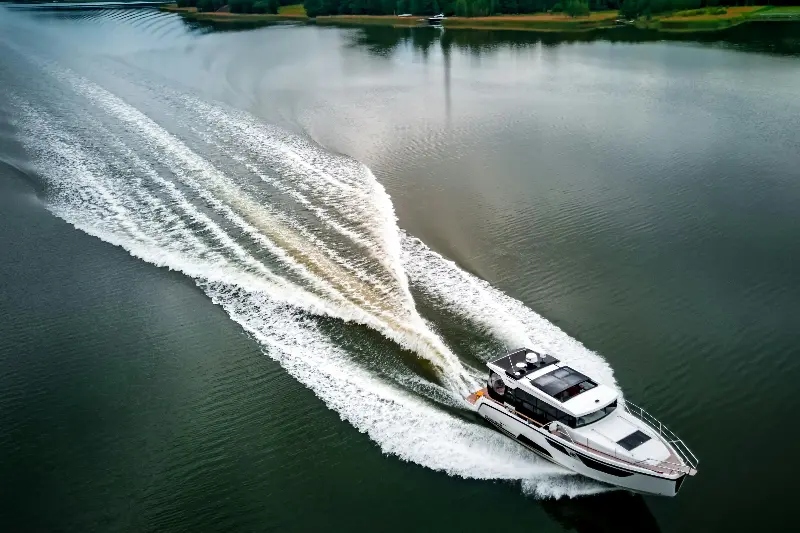
As a powerboater, you are often the fastest vessel on the water, which comes with the responsibility of yielding to others. Generally, you must give way to sailboats, kayaks, and rowboats, as they have less maneuverability than you. When overtaking another vessel, do so at a safe distance and be mindful of the wake you leave behind, as a large wave can easily swamp a smaller craft.
By respecting the water and maintaining your gear, you transform a simple boat into a gateway for lifelong memories. Pack the sunscreen, check your fuel levels, and enjoy the open water.