


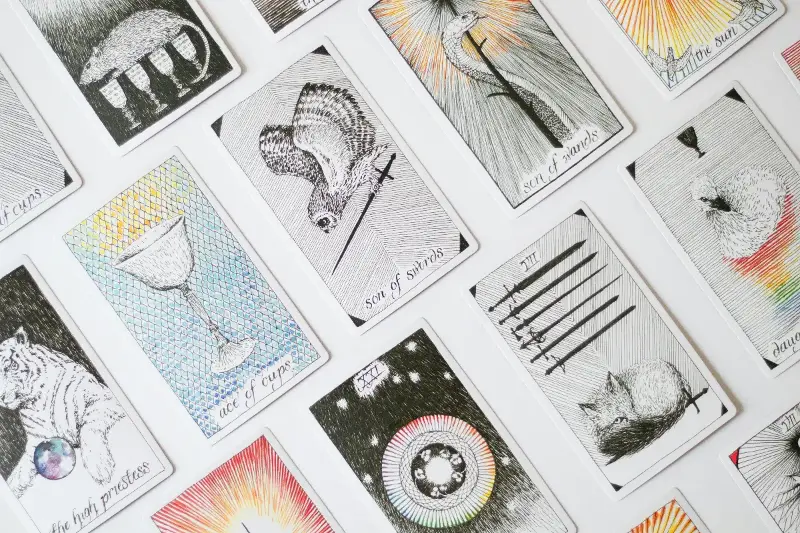
All over the world, the simple act of shuffling a deck of Tarot cards has captured the human imagination for centuries. Born in the shadows of 15th-century Europe, what began as a parlor card game quickly evolved into a powerful tool for reflection, ritual, and self-discovery. Whether you’re a seasoned reader or a curious newcomer, Tarot’s appeal remains deeply woven into our collective desire for meaning and connection.
Seeking insight: The human quest for answers in uncertain times
Have you ever wondered why so many people reach for Tarot cards in times of transition or uncertainty? Across history, humans have consistently sought out rituals—like Tarot—to gain a sense of agency when answers seem out of reach. The cards don’t just tell the future; instead, they act as mirrors, reflecting our deepest hopes, fears, and desires. This makes Tarot a fascinating psychological tool, useful for:
- Discovering hidden motivations that shape decisions
- Encouraging new perspectives on old problems
- Facilitating dialogue in therapy and coaching sessions
The archetypes within the Tarot’s 78-card deck (22 Major Arcana and 56 Minor Arcana) echo universal themes of growth, loss, triumph, and transformation. When you draw cards like The Fool or The Empress, you encounter timeless symbols that scholars such as Carl Jung linked to the collective unconscious—the shared well of imagery that underlies myth and dream across all cultures.
Ritual and renewal: Why the practice matters
Structured rituals, even those as simple as laying out a three-card spread, provide comfort, focus, and a sense of control. This mindful process can be especially grounding in the chaos of everyday life.
- The act of shuffling and cutting the cards engages the senses and centers the mind
- Repeating consistent rituals provides a safe space for self-reflection
- Rituals foster community when practiced in groups, allowing for shared experiences and mutual support
Surprisingly, modern psychological research points to real benefits from such rituals, even when people don’t believe in anything supernatural. Routine tarot readings can reduce stress, boost creative thinking, and nurture emotional openness. It’s not about predicting the future—it’s about being present, intentional, and attentive to one’s own story.
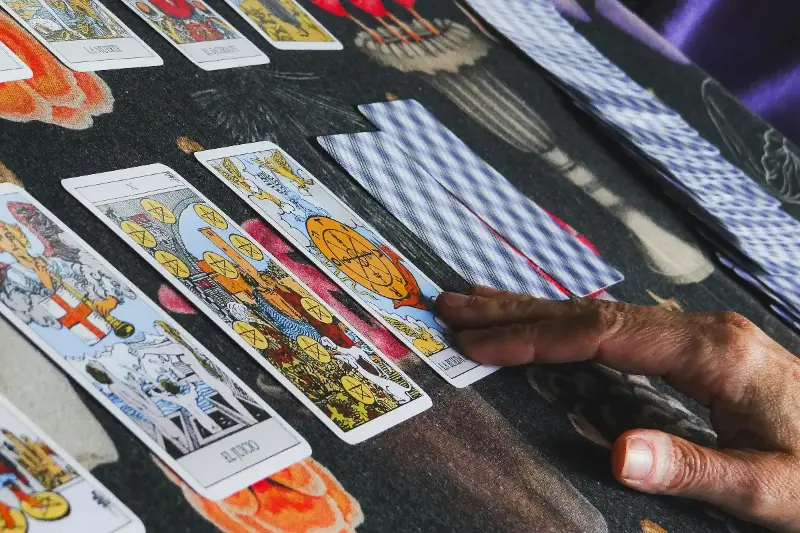
Interesting facts: Tarot’s cultural reach and adaptation
Tarot’s universal symbols have traveled widely. Did you know:
- The earliest Tarot decks in Italy were lavish art objects, often commissioned by nobility, and had little to do with divination.
- In French tradition, Tarot is still played as a popular trick-taking card game, entirely separate from its mystical reputation in English-speaking countries.
- The Rider-Waite-Smith deck, hailed as the world’s most influential Tarot set, was illustrated in 1909 by Pamela Colman Smith—one of the first female artists to leave an indelible mark on pop culture.
- Tarot symbolism appears in everything from novel covers to blockbuster films, underscoring its role as a visual language that transcends borders.
Fans continue to develop new decks inspired by a variety of themes—including anime, world mythologies, and social justice movements—proving that Tarot, like culture itself, never stops evolving.
A journey of self and symbol: What awaits beyond the cards
In the end, the mindful magic of Tarot lies not in fortune-telling, but in the gentle opportunity to pause, reflect, and seek meaning. Each shuffle, each spread, turns the everyday into the extraordinary—a small ritual that honors our age-old need for insight, story, and renewal. As you contemplate the cards, what questions might you ask, and what possibilities might you unfold? The journey awaits—one card at a time.