


Castles above the clouds: Nature’s impenetrable fortresses
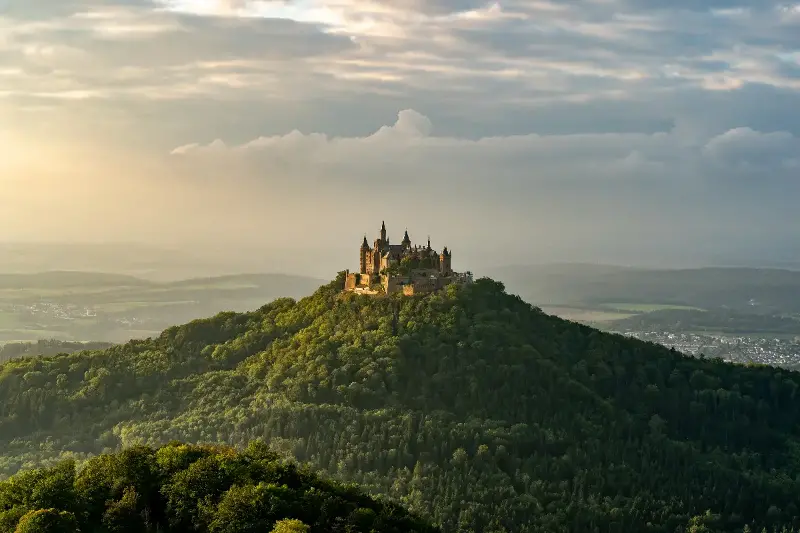
Perched atop snow-capped peaks, jutting out from dramatic cliffs, or nestled deep within lush valleys, the world’s greatest castles seem almost to defy gravity. These remarkable strongholds were never simply homes; their very locations were strategic choices, designed for defense and dominance. Consider Scotland’s Edinburgh Castle, standing proudly on volcanic rock visible for miles, or Hohenzollern Castle in Germany, soaring from a forested mountaintop like something straight out of a fairy tale. Such imposing positions not only protected inhabitants from invasion but also served as unmistakable symbols of power, visible reminders to both allies and enemies alike.
Walls that whisper: Unraveling centuries of history
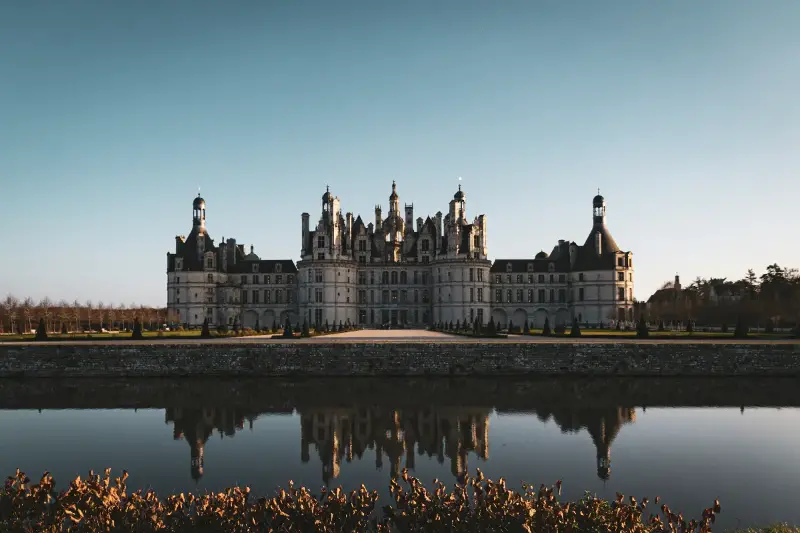
Every castle tells a story—of battle and betrayal, royalty and revolution. For instance, France’s Château de Chambord is an architectural marvel, boasting 440 rooms and a double-helix staircase believed to have been influenced by Leonardo da Vinci. In the heart of the Czech Republic, Karlštejn Castle was built to protect the crown jewels and holy relics, its walls echoing with secrets from the era of the Holy Roman Emperors. These castles are living museums, where tapestries, suits of armor, and centuries-old graffiti offer glimpses into the lives of those who once called them home. Many castles have been meticulously restored, allowing visitors to walk through grand halls and winding staircases, imagining the footsteps of kings and queens who shaped history.
Engineering feats: Castles built against the odds
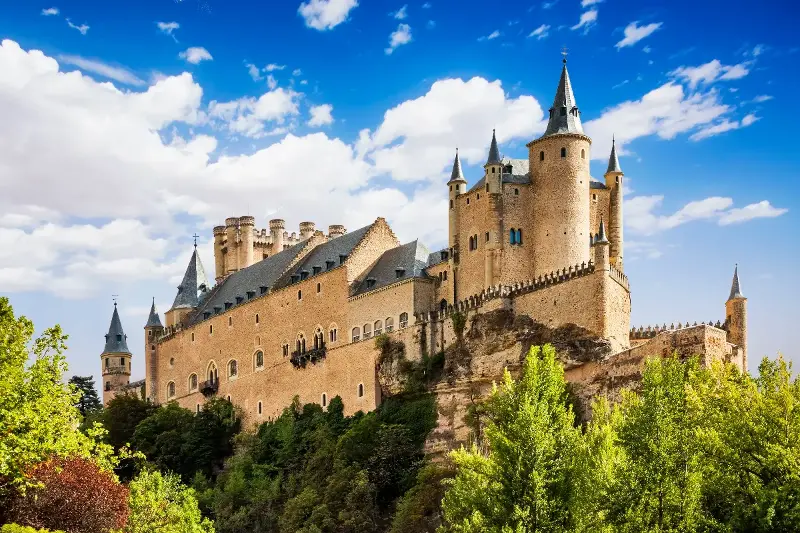
Building a castle was no easy feat—nature itself often provided both challenge and inspiration. In Spain, the Alcázar of Segovia rises sharply atop a rocky crag, its angular towers resembling the prow of a stone ship. Meanwhile, Mont Saint-Michel in France seems to float atop tidal waters, accessible only during low tide and creating a natural moat at high tide. These masterworks pushed medieval engineering to its limits, using:
- Sheer cliffs as ready-made defenses on three sides
- Secret tunnels for escape or swift supply runs
- Ingenious use of local stone and timber, blending structure seamlessly with landscape
Each innovation not only made the castles more secure but also more awe-inspiring—a testament to human ingenuity working hand-in-hand with the raw beauty of nature.
Living legends: Castles as cultural icons
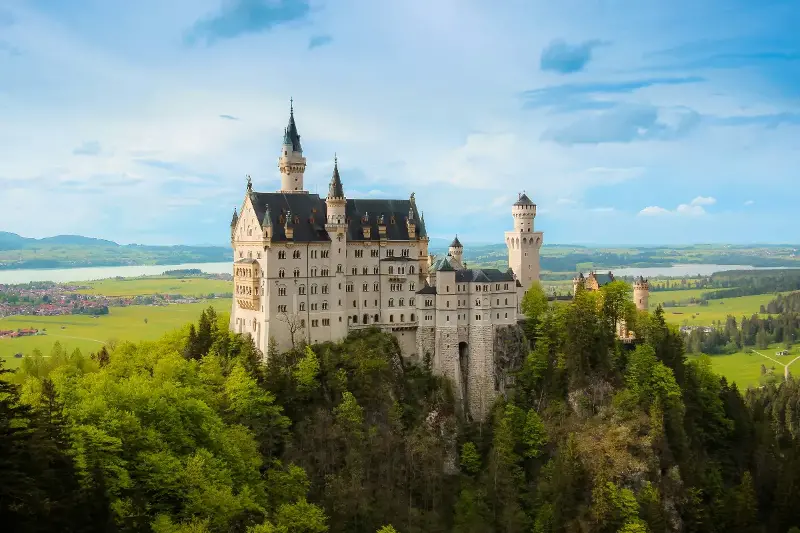
Beyond their historical roles, many castles have inspired myths and tales that endure through the ages. The haunting silhouette of Romania’s Bran Castle is often linked to the legend of Dracula, drawing thrill-seekers and history buffs alike. Neuschwanstein Castle in Germany, arguably the most photographed castle in the world, inspired Walt Disney’s Sleeping Beauty Castle and remains a symbol of romantic architecture. Castles today are not just reminders of the past; they’re vibrant cultural centers hosting festivals, concerts, and exhibitions that bring communities together and keep ancient traditions alive.
Why castles continue to captivate us
From the soaring towers of Eltz Castle in Germany to the windswept ramparts of Dunnottar in Scotland, these strongholds invite us to wonder: what secrets do their thick walls still hold? Why, centuries later, do they continue to stir our imaginations and inspire stories both real and fantastical? Visiting a castle is more than just a step into history—it’s an invitation to marvel at the enduring spirit of humanity, daring to build dreams of stone atop the most challenging and breathtaking of landscapes. Perhaps, as we wander through grand halls and gaze out over misty valleys, we all find a piece of ourselves longing for connection to something timeless and extraordinary. What stories will the next generation discover—hidden between the stones of these awe-inspiring fortresses?