


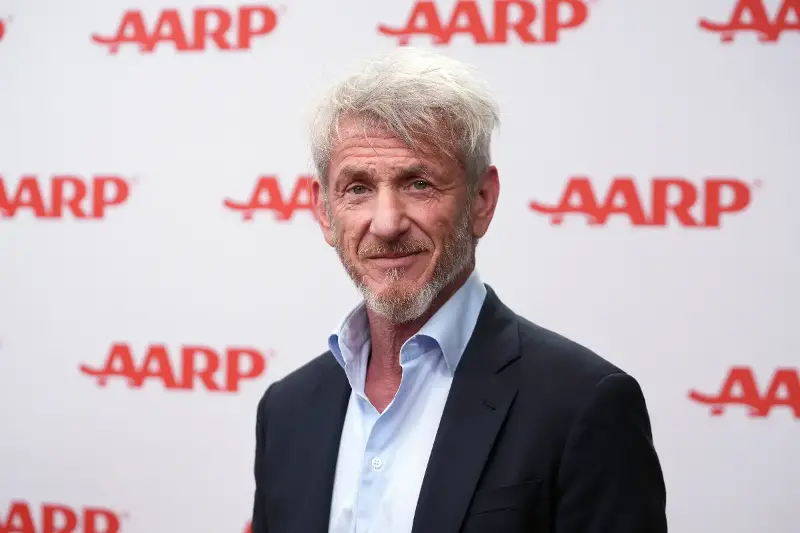
What drives a man who despises the spectacle of fame to keep striding right into the glare of the planet’s most unstable emergencies? With Sean Penn, the question goes far beyond films. It’s about ethical drive, peril, and the raw fringes of human nature.
In a Hollywood world fixated on sheen, Penn stays defiantly raw. By the tale’s end, you don’t simply recognize an Oscar-winning performer; you’re confronting a restless spirit who wields fame as a means, not an end.
From Malibu kid to Hollywood lightning rod
Born in 1960 to a showbiz family, Sean Penn never truly stood a chance at obscurity. Even as he climbed from TV bit parts to star-making roles, he bore the vibe of someone mildly repelled by stardom.
His early work throbbed with unfiltered intensity. During the 1980s and 1990s, Penn forged a name as:
- The chameleon actor – Immersing fully in broken, scarred characters
- The set-scorching presence – Fierce, frequently explosive, yet impossible to overlook
- The anti-glamour leading man – More cigarette haze and gloom than red-carpet grins
Movies such as Dead Man Walking, Mystic River, and Milk established him as one of America’s finest dramatic talents. His turns are seldom “lovely.” They’re sharp, worn, and unsettlingly personal, like eavesdropping on a private admission not meant for others.
The activist who shows up in the rubble
Many celebrities post about issues online. Sean Penn books a flight.
He’s gained nearly as much notice for his activism as his acting, appearing in some of the globe’s grimmest disaster sites and war zones. When disaster hits, he often trails the initial rescuers by mere steps, delivering aid, consulting locals, lingering well past the media’s exit.
At his peak, Penn embodies a form of boots-in-the-mud, hands-on activism:
- Launching and backing relief groups after quakes and storms
- Lingering for stretches in ravaged or battle-scarred lands
- Leveraging his profile to secure funds and focus for spots the headlines have forgotten
This draws fire, of course. Detractors question if his involvement muddies the divide between true relief and self-aggrandizement. Fans counter that even if ego powers it, the help still arrives where it’s needed. With Penn, motive and results forever tangle in tense harmony.
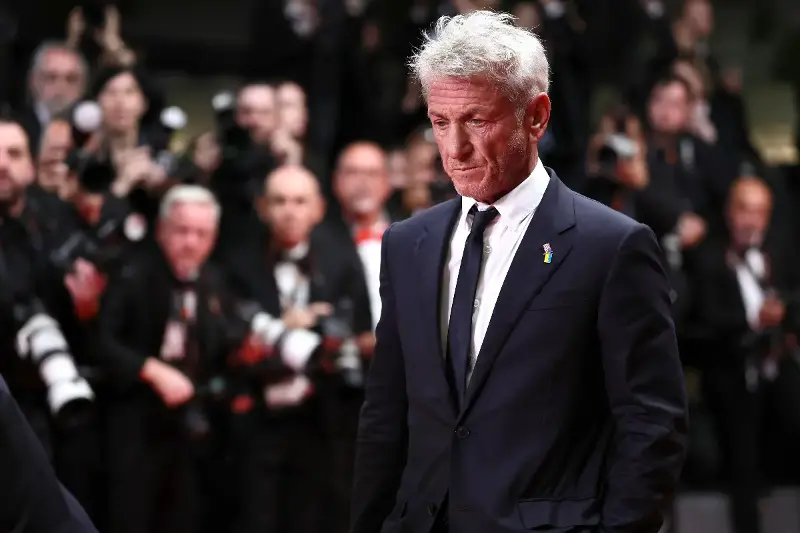
An artist at war with his own myth
That same fire that ignites his roles has repeatedly tangled his public image. He’s clashed with journalists, chafed at gossip rags, and pursued paths—private and ideological—that ignited hot disputes.
Still, his paradoxes hold an odd unity:
- He detests fame’s circus, yet swings his celebrity like a lever to force entry
- He yearns for seclusion, but heads straight where global lenses swarm
- He pursues fairness, though often bypassing established channels
In this era of polished personas and groomed social streams, Penn stays jarringly authentic—unpredictable, empathetic, at times impulsive, often courageous.
Why Sean Penn still matters
Sean Penn’s enduring mark won’t depend solely on his trophy case or signature performances. It will turn on a larger, pricklier issue: What duty does someone with influence and prominence owe a fractured world?
He responds not through flawlessness, but through action—imperfect, pressing, unyielding action toward spots most of us glimpse only on screens.
That might explain his ongoing pull. He compels a silent self-audit: If a guy so plainly uneasy with stardom can’t quit charging into the blaze, what real alibi do the rest of us have for lingering so securely, so mutely, on the edges?