




McLaren Automotive has unveiled the McL 6GT at the 2026 Monterey Car Week, marking the first car of its kind for the brand. Its design draws a direct line between McLaren’s history and the present, taking inspiration from the McLaren M6GT, an unfinished supercar project originally envisioned by company founder Bruce McLaren.

McLaren describes the reveal as a signal of how the company’s founding spirit will shape a future-facing approach to its supercars. It also sets the stage for a new, highly exclusive category of McLaren supercar positioned beyond the brand’s current core and expanded lineups. A production version of the McL 6GT is planned for 2028.
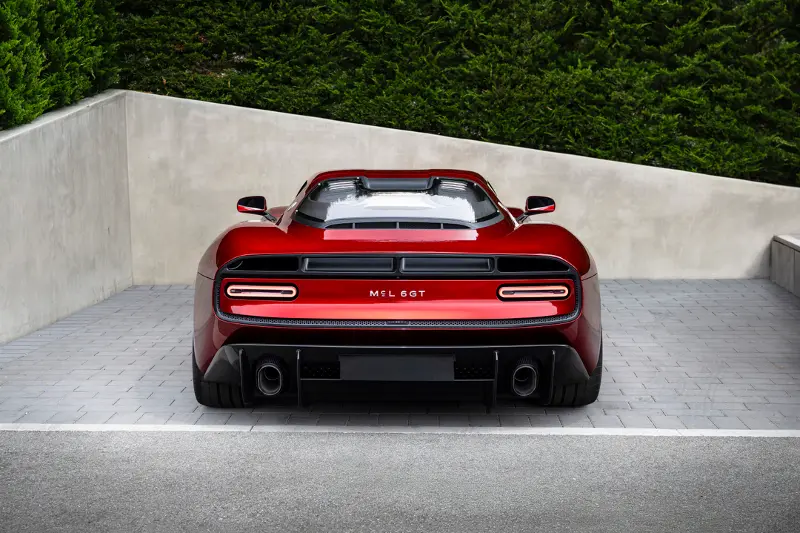
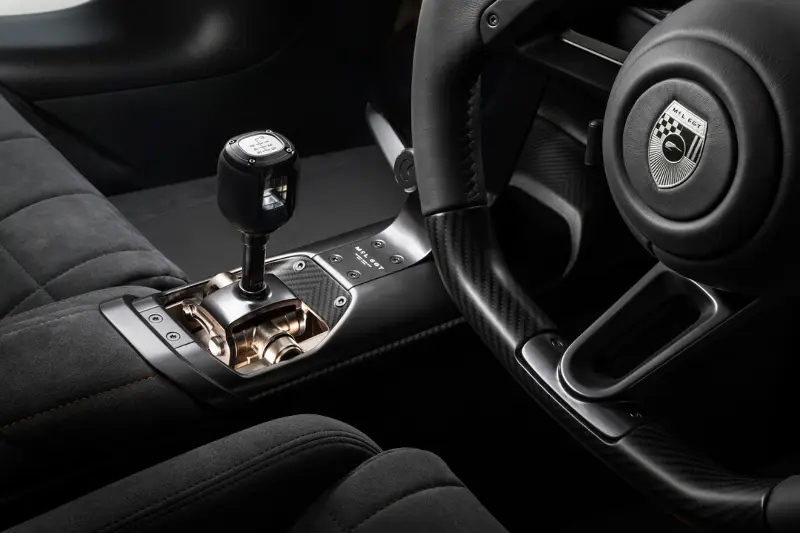
Emphasizing reimagined heritage, tactile design, and driver connection, the McL 6GT combines a lightweight carbon-fiber structure with V8 combustion power. It also features a rear-wheel-drive manual transmission, the first manual gearbox in a McLaren since the McLaren F1.
“The McLaren McL 6GT imagines what our inspirational founder had wished to complete but with six additional decades of innovation and passion woven through every element, creating a modern icon of driver connection. It is symbolic of the bold, provocative and hugely exciting future that we are preparing to realise,” said Nick Collins, Chief Executive Officer of McLaren Automotive.
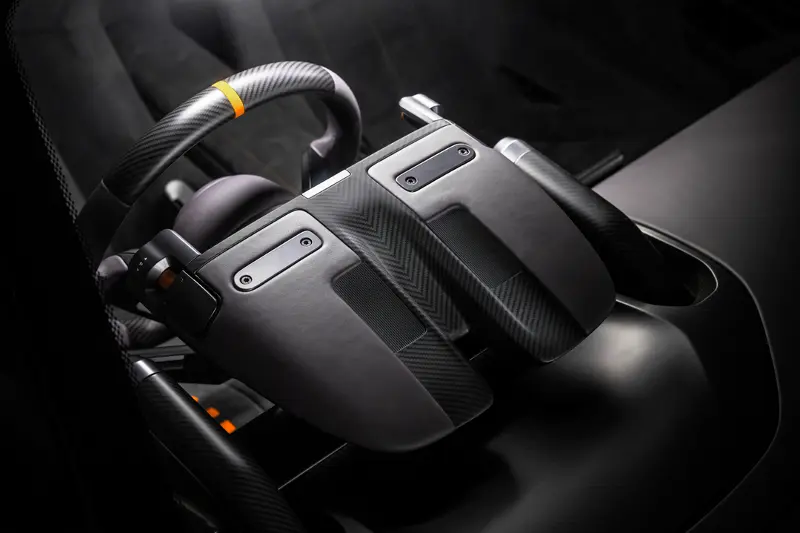
McLaren says the McL 6GT is built around a driving experience the company considers increasingly rare: tactile, analog, and mechanical. Every shift, throttle input, and steering movement is designed to feel deliberate and physical, connecting the driver directly to the car. This extends to hydraulic steering, tactile switchgear, and visible engineering details throughout the cabin.
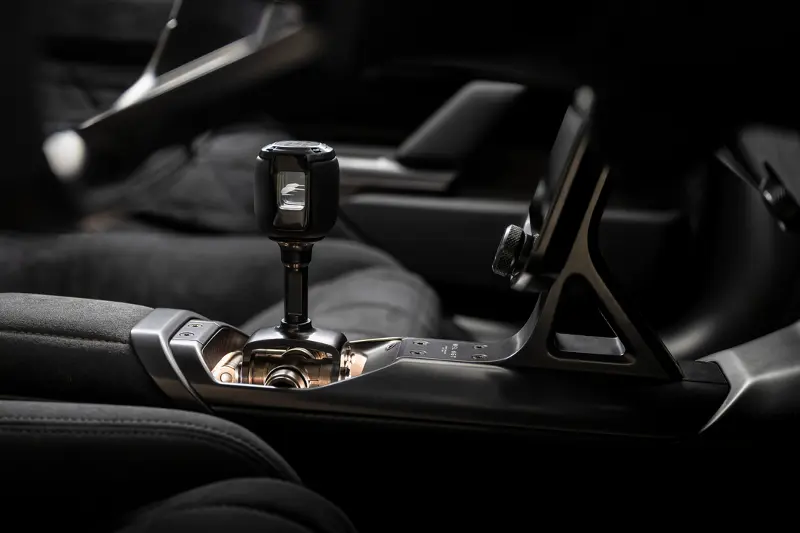
Knurled machined aluminum controls and detailed ergonomics further reflect this approach, with design cues taken from the M6GT. The gearstick has been shaped for feel and throw and includes a three-dimensional Speedy Kiwi emblem set into its upright, a nod to McLaren’s heritage branding.
Earlier this year, McLaren Special Operations (MSO) built a meticulously assembled one-off tribute to the original M6GT and presented it at the Goodwood Festival of Speed, honoring Bruce McLaren’s original vision for the car. The McL 6GT extends that tribute further.
Its name references both McLaren’s motorsport history and the origins of its road car program, linking the two areas of the company’s history and honoring the vision Bruce McLaren had when he founded the team.
The McL 6GT’s styling reinterprets the surfacing and proportions of 1960s sports-prototype racing cars with modern execution and packaging. Design elements from the M6GT are present throughout.
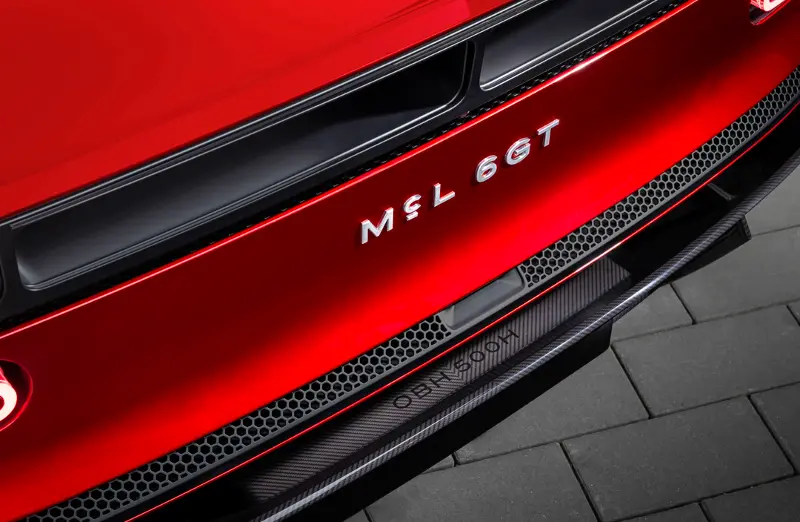
The car sits low and wide, with a low nose, echoing the stance of the M6A Can-Am racer on which the original M6GT was based. Body surfacing is kept clean, with continuous volumes running from the nose to a Kammback tail. The roofline flows into the rear deck and engine cover as a single form, and the cabin appears set into the body rather than mounted on top of it. McLaren says these proportions mimic the low-drag aerodynamic principles common to cars of that era.
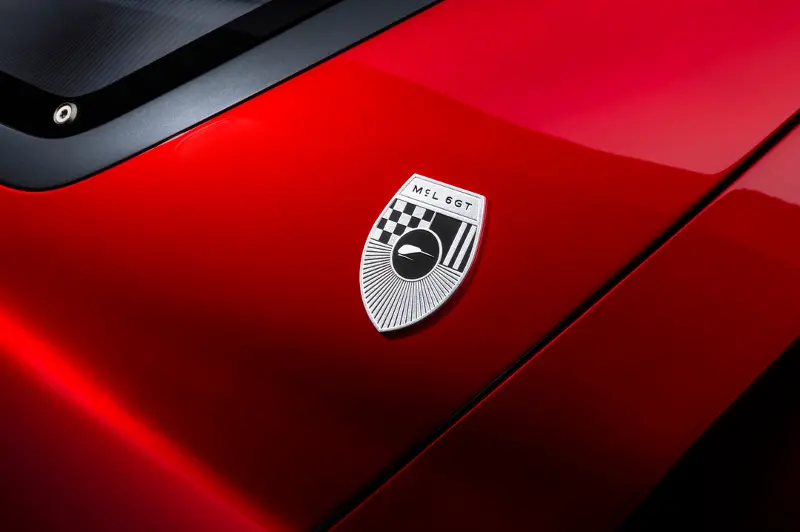
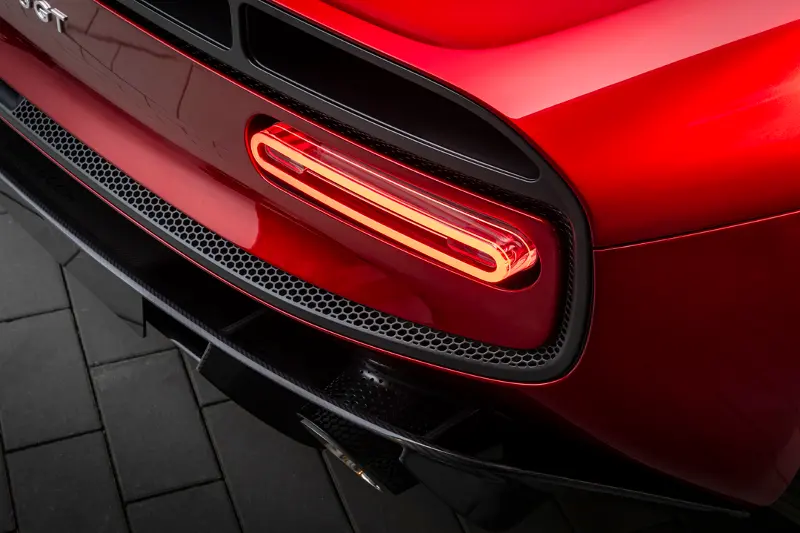
A “Racing Loop” design motif, inspired by the original M6GT’s taillights, is worked into the car’s exterior airflow architecture. Bruce McLaren’s original M6GT number plate is reproduced as a tone-on-tone graphic, his signature appears in the engine bay, and the Speedy Kiwi logo, McLaren’s earliest brand icon, is etched into the fuel filler cap.
Inside, boxed quilting has been reinterpreted for a modern cabin, and new digital instrumentation is designed to retain the visual clarity of the original M6GT’s gauges while incorporating current technology.
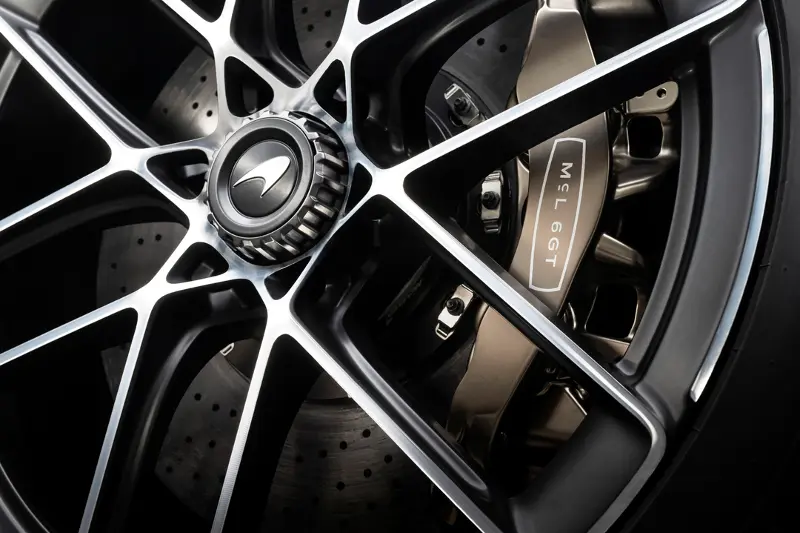
Carbon fiber construction remains central to McLaren’s approach to both track and road cars. The McL 6GT uses a lightweight carbon-fiber monocoque and carbon-fiber bodywork, connecting the car’s heritage-based design with modern McLaren manufacturing methods.
McLaren says the material shapes the car’s overall character, contributing to its power-to-weight ratio while reflecting its design philosophy. Exposed gloss carbon fiber is used inside the cabin as a reference to the original M6GT and to McLaren’s motorsport background, in line with the company’s stated goal of directing every element of the car toward performance and driver connection.
No power figures have been revealed yet, as the McL 6GT is still a concept, but here’s hoping we see this in production very soon.
The post McLaren brings back the manual: McLaren unveils McL 6GT appeared first on YugaAuto: Automotive News & Reviews in the Philippines.