



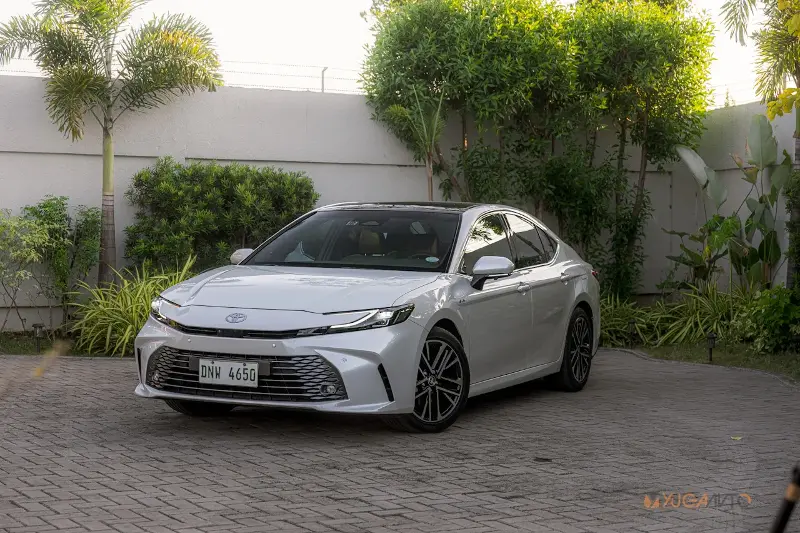
The Toyota Camry has been the longest-standing nameplate in the mid-size executive sedan segment. Longest standing to the point that in the Philippines, it is the only one left in its class. The Honda Accord has bowed out, and a couple of rivals have left only a tiny imprint over the past 10 to 15 years, such as the Kia Optima, Hyundai Sonata, and the short-lived Chevrolet Malibu. The Mazda6 exited the Philippine market a few months ago, with no replacement in sight, unless you consider the Mazda EZ-6 Changan collaboration a direct replacement, for which we still don’t have any news on whether it’s coming to Philippine shores.
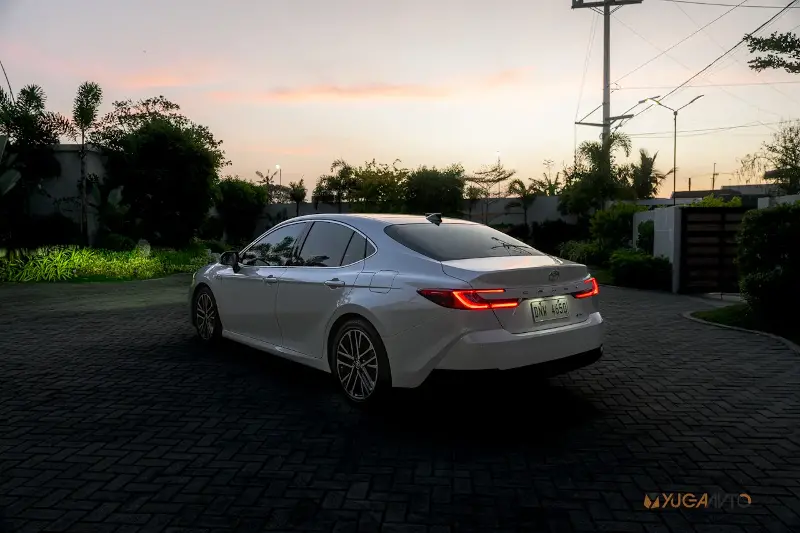
Long been a favorite of executives, the Camry finds itself having the last laugh without ever needing change. It continues to fulfill its purpose of ferrying executives in comfort, power, and understated luxury while staying under the radar, and it has done so admirably for 30 years and counting.
All that said, Toyota now finds itself with no competitors and a deep lineup with vehicles of various price points that overlap. In today’s world, a Toyota RAV4 can achieve more for less. One can get more utility from a Toyota Fortuner or go full EV with the Toyota BZ4X. Let’s just say, Toyota has cars that can offer more value to the consumer than the Camry presents itself to be, especially at the price point. Or does it really?
Exterior:
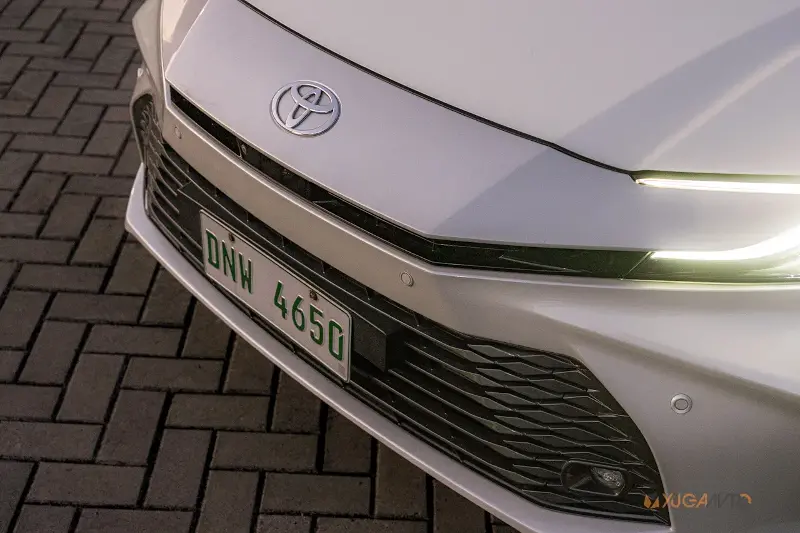
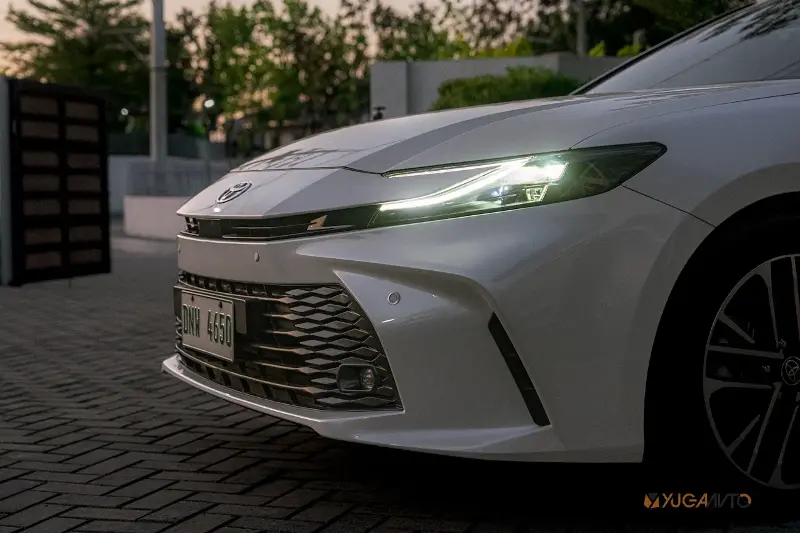
This is not a new-generation Camry, and as far as we can tell, there is still no next-generation model in sight at the time of writing this review. That said, Toyota has made an effort to introduce its new design language, featuring a sharper front end with its signature hammerhead grille, along with sharper C-shaped LED headlights with DRLs. It’s definitely sportier than before, but it offers a much cleaner, unique look than the pre-facelift model.
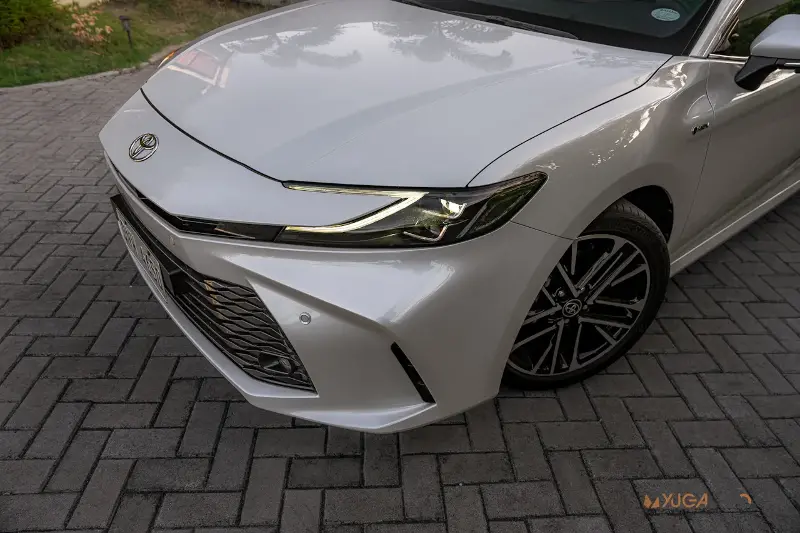
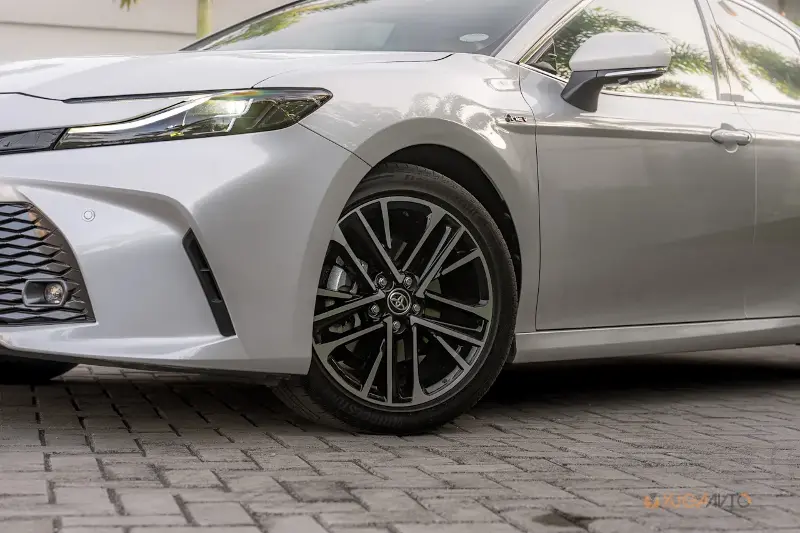
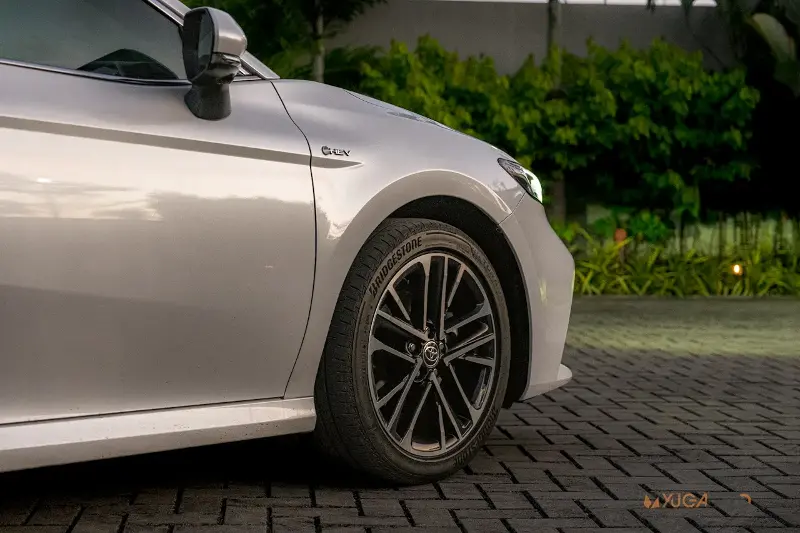
Of course, this being a facelift, the side silhouette is still nearly the same, but Toyota has given the Camry an elegant-looking set of 18-inch diamond-cut two-tone alloy wheels that enhance its regal stance.
At the rear, the Camry now sports a new boomerang LED taillight design, giving it a unique presence at night.
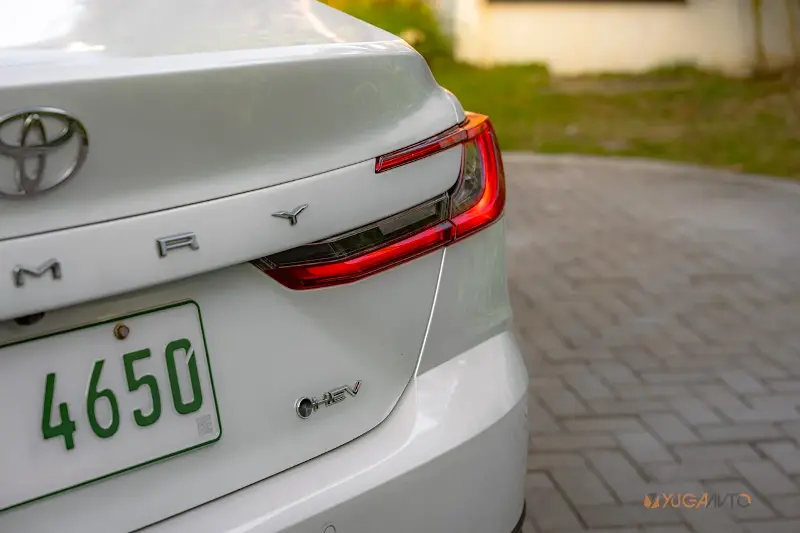
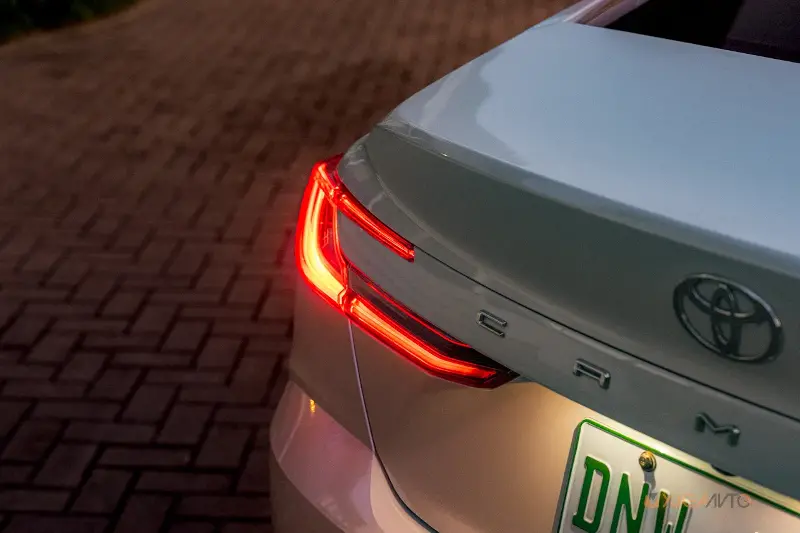
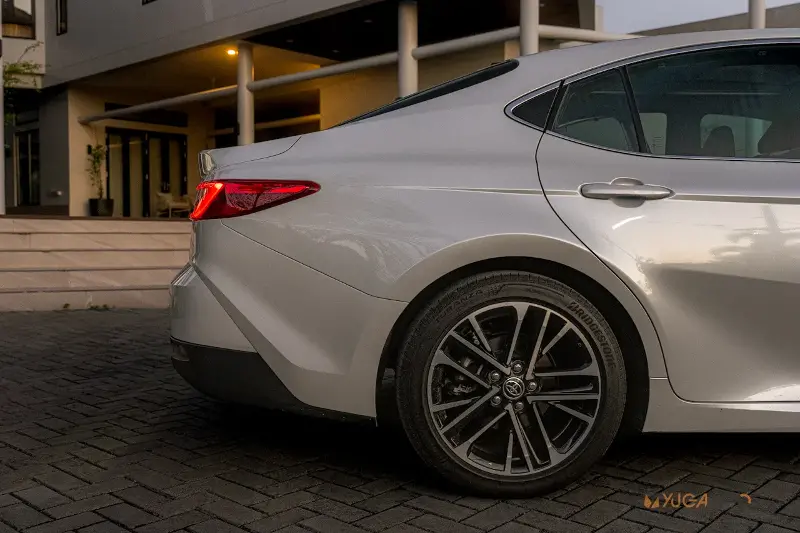
Overall, Toyota has given the Camry a cleaner, sportier look while retaining an understated, regal appearance that should age gracefully over time, and should give your average executive a presentable vehicle to pull up to meetings with.
Interior:
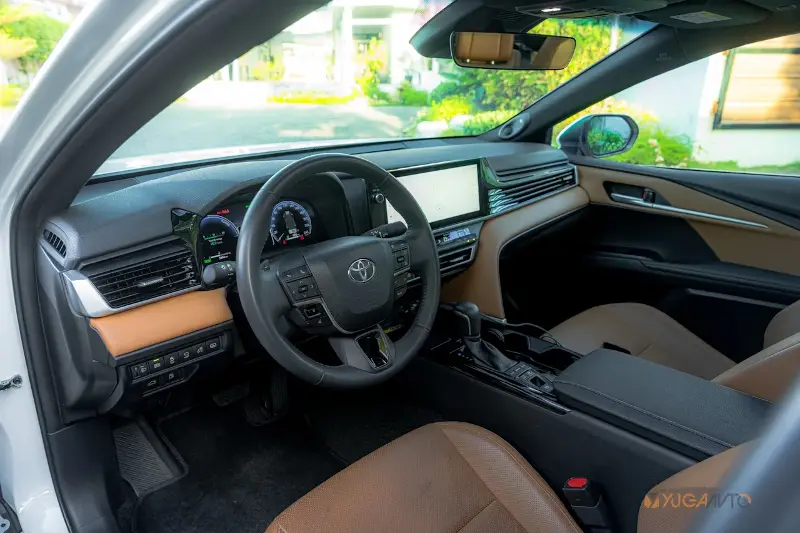
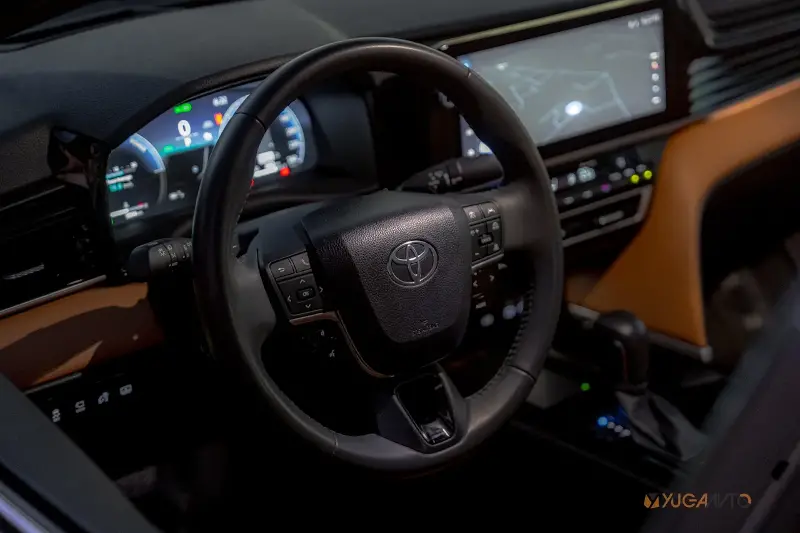
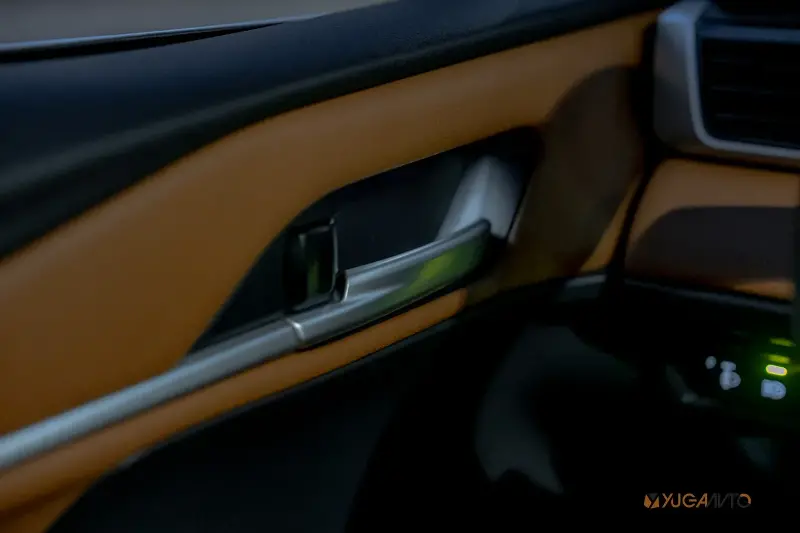
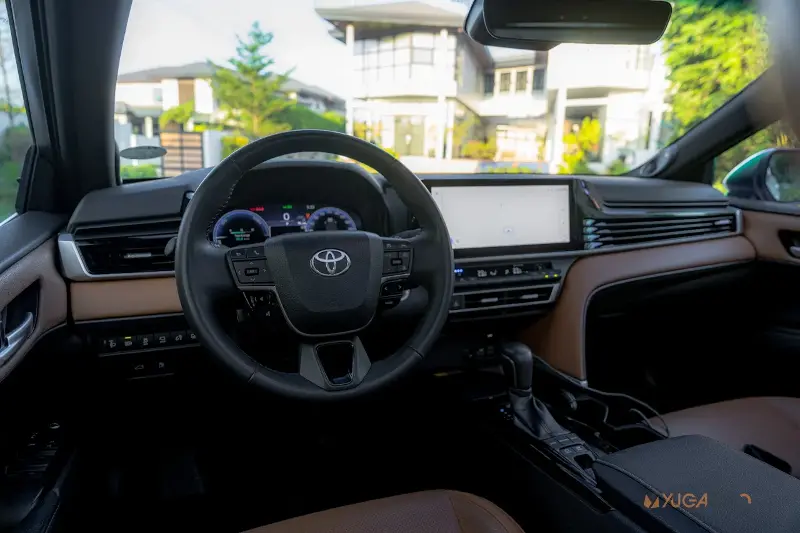
This is the biggest step-up in updates Toyota has given the Camry. You now have a much-improved interior from before, with a two-tone black-and-tan interior that greets your eyes, hinting at luxury. Dig deeper, though, and you start to discover that Toyota seems to be holding back to differentiate the upscale feel of a Lexus from that of a Toyota.
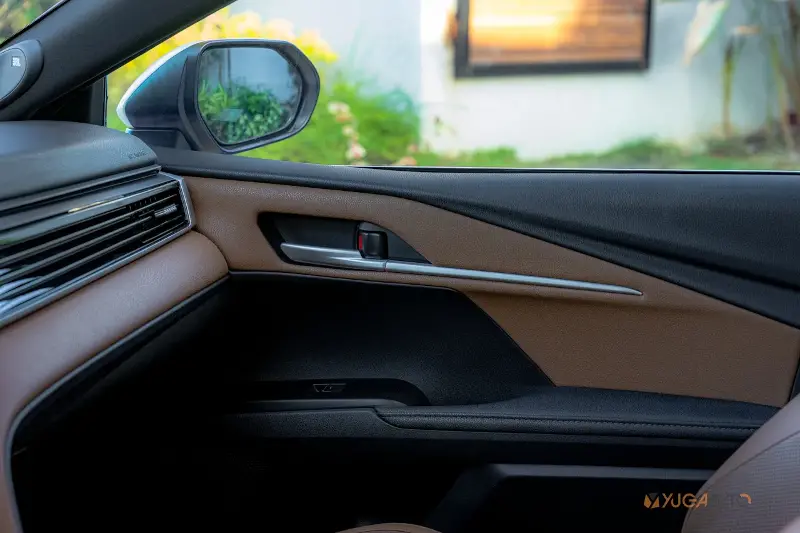
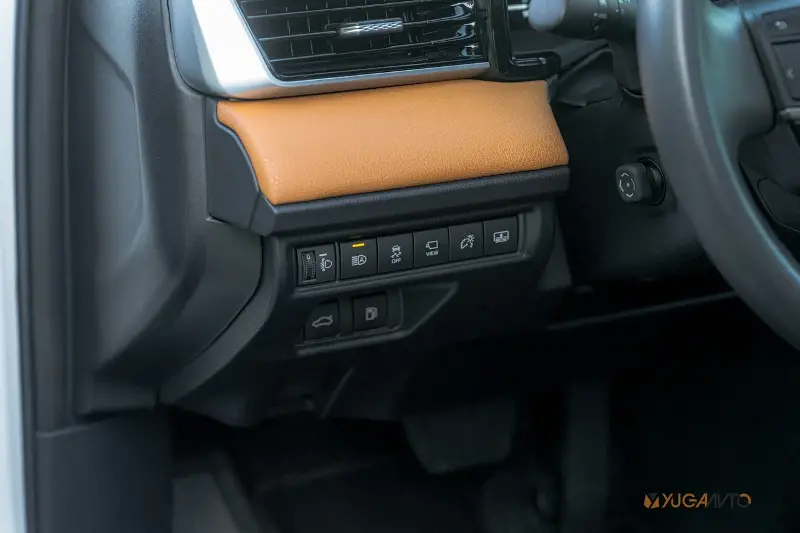
That’s not to say the Camry isn’t a premium Toyota offering, but there are some plastics below the door panels that don’t feel up to snuff, and the buttons are still carried over from your regular Toyota models, considerably below its price point. Spend enough time inside the Camry, and you can tell there are definitely some corners cut, but they are hidden well enough that they won’t really intrude on the feeling of quality, sans the panel of buttons on the driver’s side.
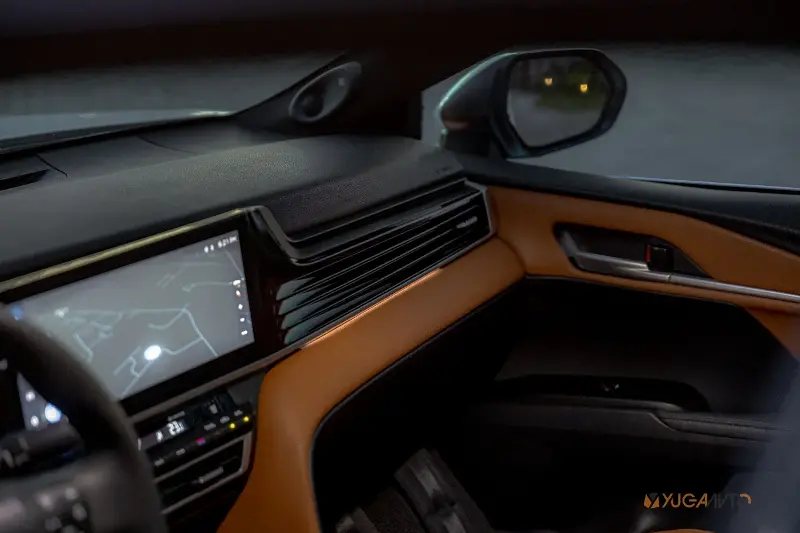
In terms of technology, the Camry now gets two 12.3-inch screens, one for the driver and one for the infotainment system. The digital gauge cluster is heavily customizable, which is a first for a Toyota, and is now featured in the newer Toyota models in the lineup, such as the all-new RAV4 and the Alphard. You can have nearly every parameter you want to be shown on the display, and you can also customize the design of the gauges with a lot of different options. It is indeed a great step forward and a good upgrade. A nine-speaker JBL audio system help complement the technology found in the Camry, albeit sound quality can still be improved in some areas.
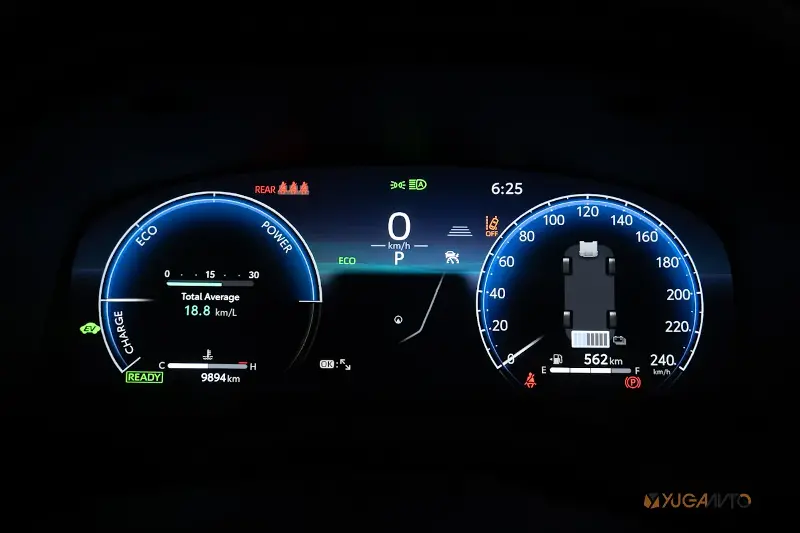
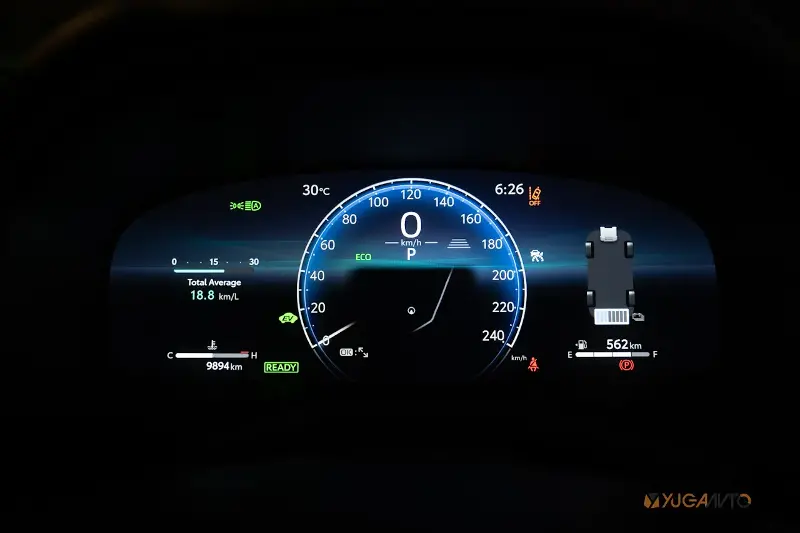
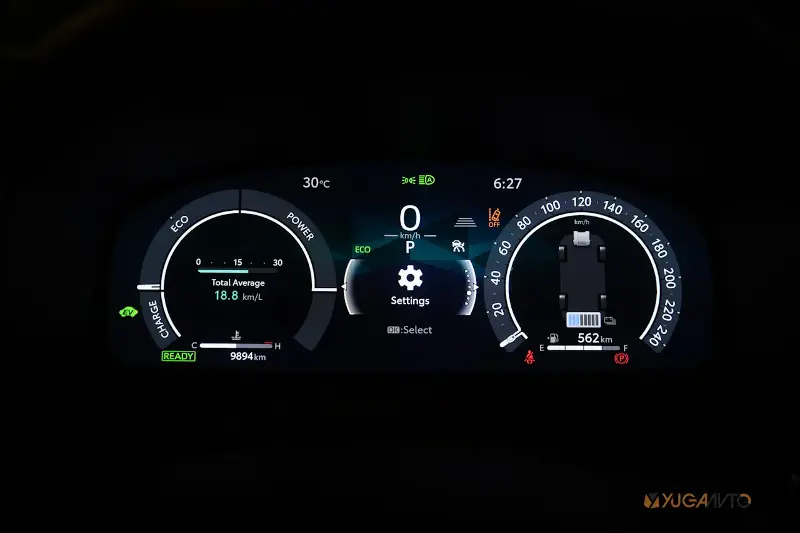
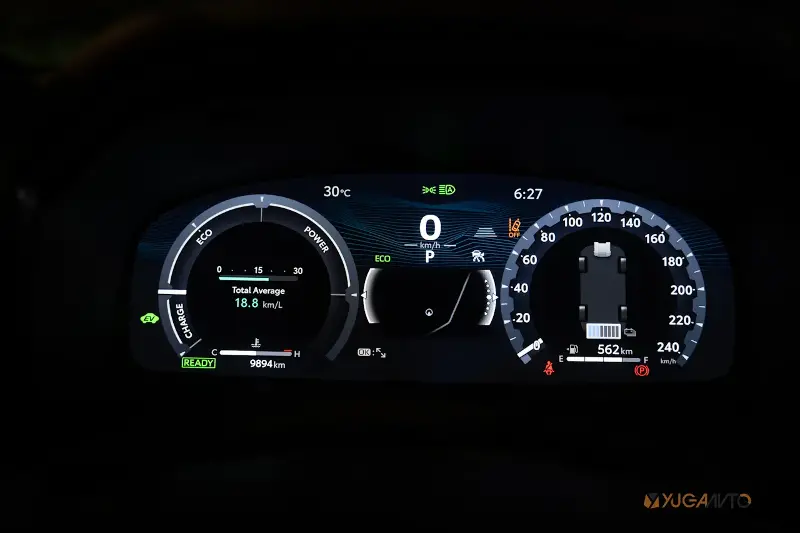
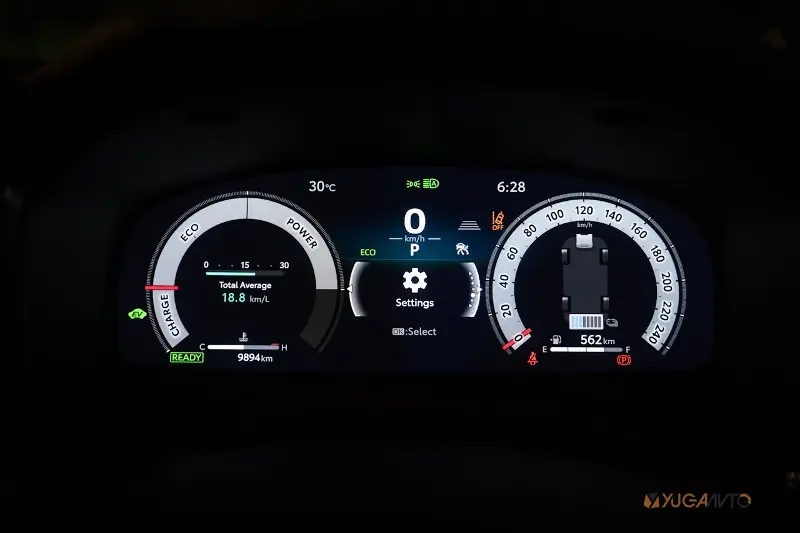
The infotainment is also larger than before, but the interface still looks nearly the same as on older models. It’s not entirely a bad thing or something to sway you away, as it remains direct and straightforward to use, especially with the availability of wired and wireless Apple CarPlay and Android Auto for convenience.
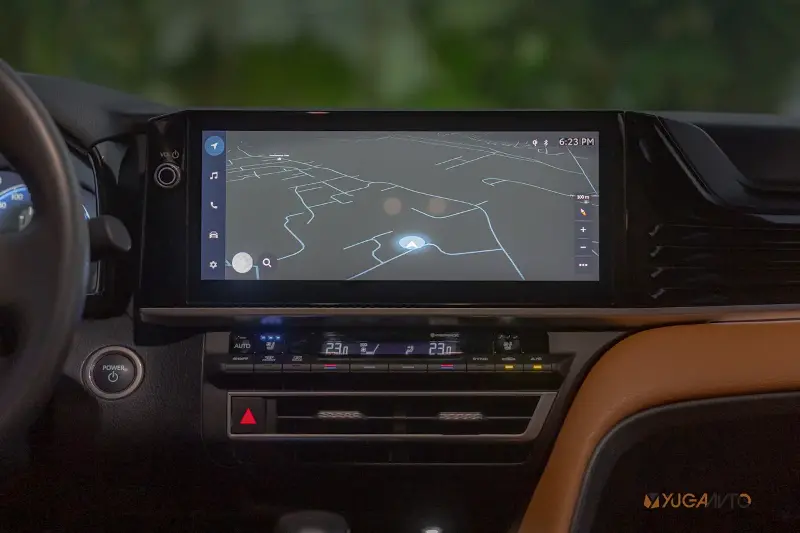
Aircon controls still remain easy to use with tactile buttons, and the front seats are also ventilated and heated for added comfort. The front seats are supportive but could be a bit softer and better-padded for the market.
The rear seats, which have been one of Camry’s bigger selling points ever since, still remain a great place for an executive to find themselves, with various controls and adjustments available from the center armrest. You can adjust your seats, change the volume and music, and adjust your climate control settings thanks to its tri-zone climate control system. Avid followers of the Camry nameplate will be ecstatic to note that it still has its signature automatic rear sunshade, which can be controlled at the touch of a button, and is a great addition to the manual sunshades found on either side of the rear passenger windows. Those wanting more space can easily adjust the front passenger seat with buttons found on the side, giving you increased legroom for added comfort.
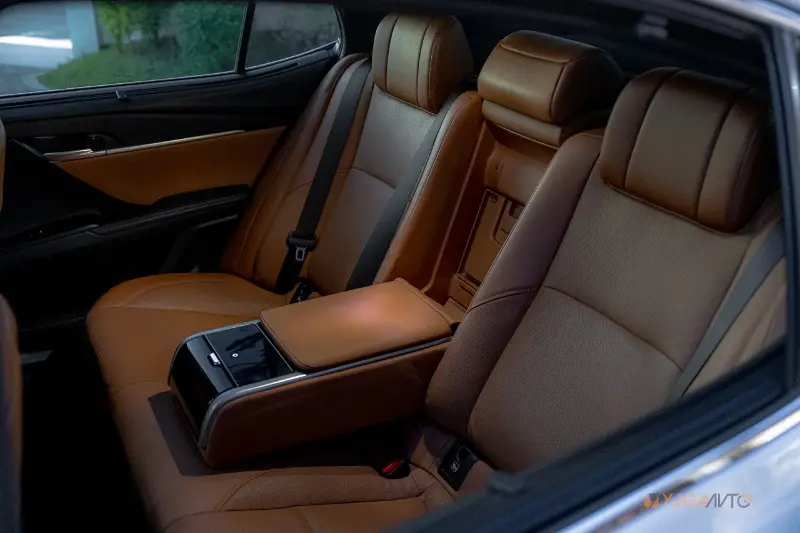
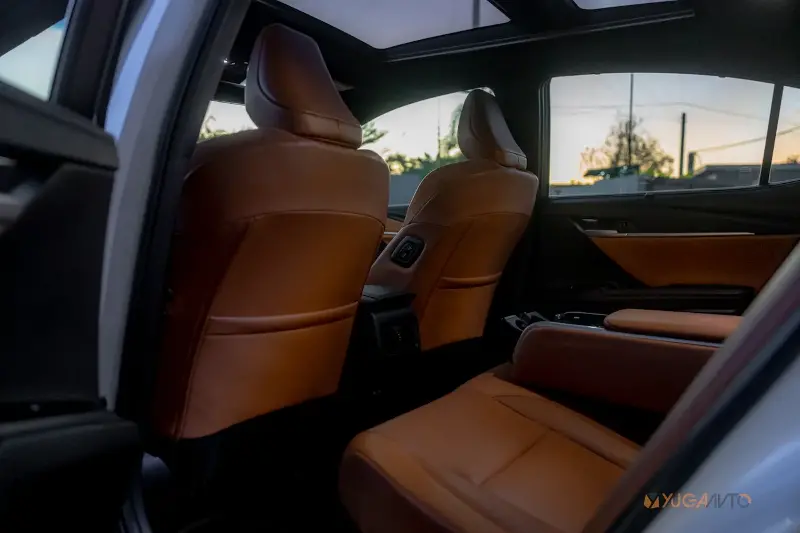
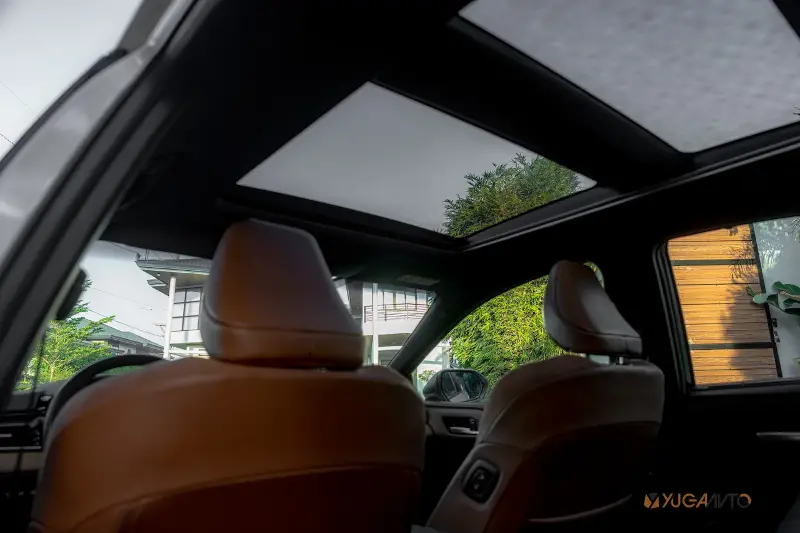
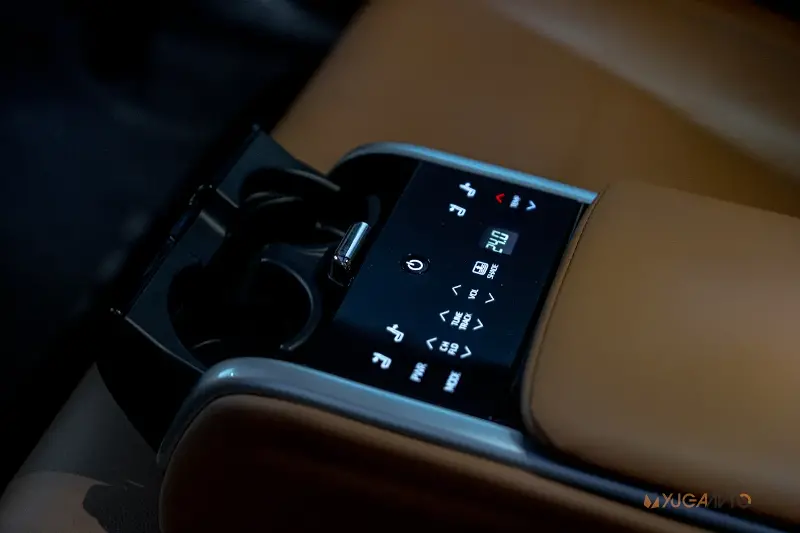
Overall, interior features are still there and much improved, but material quality in some areas can be improved, though not a huge issue.
Driving and Performance:
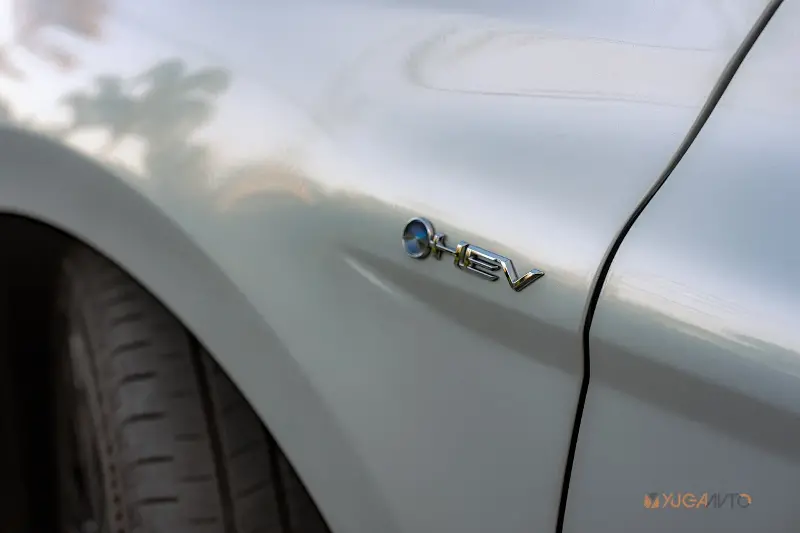
Under the hood of the Camry is the proven A25A-FXS 2.5-liter four-cylinder hybrid engine mated to an e-CVT as found on many other HEV Toyota models. This time around, the engine is now mated to Toyota’s latest 5th-generation hybrid system, which now sports a lithium-ion battery. As a result, power is bumped up to 228 hp, with the same 221 Nm of torque.
Real-world fuel-efficiency figures are quite impressive, with upwards of 19 km/L achieved with mixed city and highway driving. The only time it dropped to 18 and below is when the car had to be idled for a long time for multiple photos and video b-roll. There is absolutely no special driving needed for the Camry to achieve impressive everyday fuel-efficiency figures. Of course, with a heavy foot, it’s easy to see that number go down easily, but still retaining respectable figures.
Speaking of having a heavy foot, despite the executive sedan clothing, the powertrain feels strong with lots of usable torque and a responsive throttle. Press the sport mode button, and the throttle feels even sharper, which could give you quite a bit of fun. Yes,” fun” in a Camry. Cornering is respectable, with controlled body roll, and along with its acceleration, you can indeed have a dynamic drive.
That said, the steering, as with older Camry models, still lacks feel and does feel quite numb, and at the end of the day, it is still an executive mid-size sedan, so switching the drive mode back to normal is still the best case for the Camry that is still designed to be a comfortable sedan. The 3.5 V6 of yesteryear still feels much more effortless, but for 99 percent of buyers, the HEV, which is the sole powertrain left, will be more than enough, and does the job incredibly well.
Toyota Safety Sense helps on longer journeys and is one of the best ADAS systems on the market, with accurate adaptive cruise control, helpful blind-spot monitoring, and a good lane-tracing system. It does make journeys even more relaxed and is nearly flawless. Toyota is continuing to improve its Safety Sense system, so it is exciting to see what can be done with its technology in future models.
Verdict:
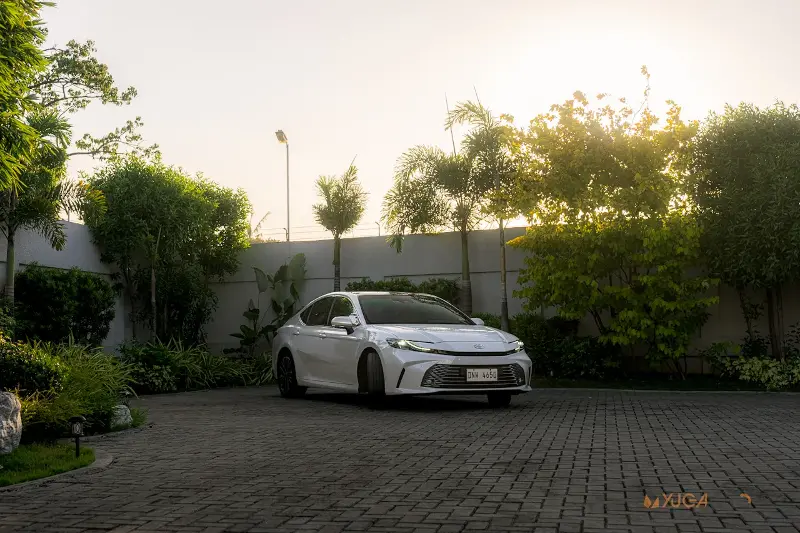
Those in the market for a mid-size executive sedan are not spoilt for choice anymore, with the Camry being the sole model left in its class. That said, despite being the only choice, the Camry hasn’t had to evolve and is not, and never was, trying to be anything other than what it was designed and engineered for: a sedan that ferries executives quietly, comfortably, and with understated class.
At P2,657,000, it is not cheap, but Toyota still offers a myriad of options for those wanting better value. The Camry, however, has a different target market altogether.
The post Review: 2025 Toyota Camry 2.5 V HEV – Staying true to its roots appeared first on YugaAuto: Automotive News & Reviews in the Philippines.