


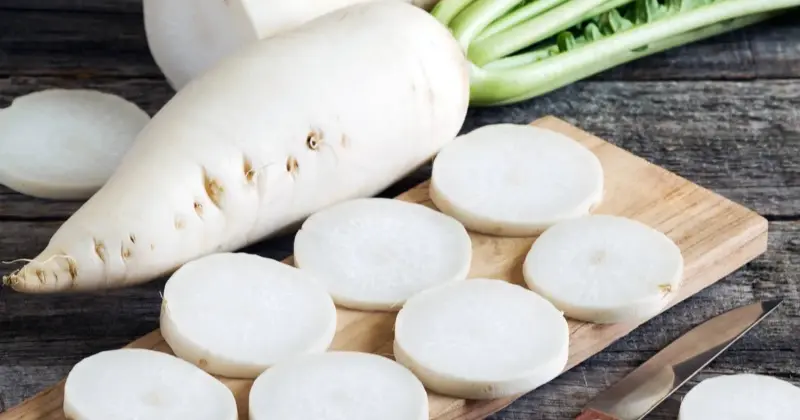
Basic nutritional information of white radish
The benefits of white radish are not a "mystery," but are based on the many active compounds and micronutrients it contains.
First, glucosinolate, a characteristic phytochemical of the cabbage family and the cause of the spicy taste of white radish, can mildly stimulate the gastrointestinal mucosa, promote the secretion of gastric and intestinal juices, and increase intestinal motility.
Next is fiber; every 100 grams of white radish contains about 1 gram of fiber. Soluble fiber can absorb water to soften stool, while insoluble fiber helps increase stool volume. These two types work together to prevent constipation.
Additionally, white radish contains small amounts of vitamin C (approximately 21 mg/100 g) and potassium (approximately 173 mg/100 g). Vitamin C has basic antioxidant properties, while potassium helps regulate electrolyte balance in the body, supports blood pressure regulation, and aids in urine excretion.
Two core uses are scientifically recognized.
According to current research, white radish has two uses that are partially recognized by the nutrition community, but should not be overhyped:
Helps alleviate mild digestive discomfort: This is the most recognized benefit of white radish, thanks to the combination of glucosinolate and fiber.
In clinical practice, a small study on healthy adults showed that after consuming 100g of cold pickled white radish, gastric juice levels increased by approximately 12%, helping to alleviate bloating after fatty meals.
However, please note that people with damaged stomach lining (such as gastritis, stomach ulcers) should eat raw radish on an empty stomach, as glucosinolates can irritate the condition and worsen discomfort. It is recommended to eat it cooked. If bloating or abdominal pain lasts for more than two days, you should see a doctor and not rely solely on white radish.
Supports the reduction of urinary tract stone risk: The potassium in white radish helps regulate sodium-potassium balance, reduces water and sodium retention, and promotes urine excretion, reducing the likelihood of calcium salt deposition in urine, thus helping to prevent calcium oxalate stones.
Please note that white radish cannot replace medication for existing kidney stones, nor can it dissolve them; patients should follow their doctor's instructions, and white radish can be used as a supplementary dietary option.
Don't believe the rumors.
In addition to its recognized core function, several online rumors also need clarification:
Beauty and skincare: It's widely circulated online that white radish can "whiten and smooth skin" because it contains vitamin C, but 100g of white radish only contains 1/3 the amount of vitamin C compared to oranges, which is not enough for "skincare."
Vitamin C does help synthesize collagen, but you need to eat a variety of vitamin C-rich foods over a long period (like fresh fruits and vegetables) for it to be effective. White radish is just a supplement and cannot replace cosmetics or professional skincare treatments.
Treating the common cold: Many people say white radish can "cure the common cold," but in reality, its spiciness helps promote blood circulation, relieve nasal congestion, and mild sore throat. However, the common cold is caused by a virus, and white radish cannot eliminate the virus. In cases of severe symptoms, timely medication is necessary.
Common mistakes when eating
Eating raw is better than eating cooked : Many people think that eating raw retains more glucosinolates and vitamin C, but although cooked white radish loses about 20% of its vitamin C, it reduces the irritating effects of glucosinolates, making it more suitable for people with sensitive stomachs; and the fiber is more easily absorbed by the intestines when cooked, so eating cooked radish may be more effective for those with constipation. Therefore, whether to eat raw or cooked depends on individual constitution, not simply "eating raw is better."
Eating white radish may aid weight loss: White radish is low in calories (21 kcal/100g) and high in fiber, which helps increase feelings of fullness, but it does not burn fat. Weight loss requires controlling total calorie intake and maintaining a balanced diet. White radish can be a low-calorie vegetable option, but eating only white radish will lead to a lack of protein and fat, negatively impacting health.
The right way to eat white radish for different groups of people.
Healthy adults should eat 100-200 grams per day (about half a medium-sized white radish), and can vary how they are eaten, such as in salads (adding a little vinegar to reduce irritability), stir-fries, or soups… avoiding eating too much to prevent bloating.
People with sensitive stomachs (gastritis, stomach ulcers): Should eat cooked white radish, no more than 100 grams at a time, and avoid eating it on an empty stomach to reduce irritation to the stomach lining.
Special groups: Pregnant and breastfeeding women can eat cooked white radish to supplement fiber and vitamins; people with impaired kidney function (risk of hyperkalemia) should consult their doctor to control intake, avoiding excessive potassium absorption that further burdens the kidneys; people taking traditional Chinese medicine should consult their doctor beforehand to see if they can eat white radish.