



Moringa leaves are highly nutritious, containing many vitamins A, C, and B vitamins, as well as minerals such as magnesium, iron, calcium, phosphorus, zinc, and 18 essential amino acids.
One cup of moringa leaves contains 2 grams of protein, 8% of the daily magnesium requirement, 19% of the vitamin B6 requirement, 11% of the iron requirement, 11% of the vitamin B2 requirement, and 9% of the vitamin A requirement.
Here, Dr. Malavika Athavale, a clinical nutrition consultant working in India, reveals the changes in the body when you eat moringa leaf soup, according to Pharm Easy.
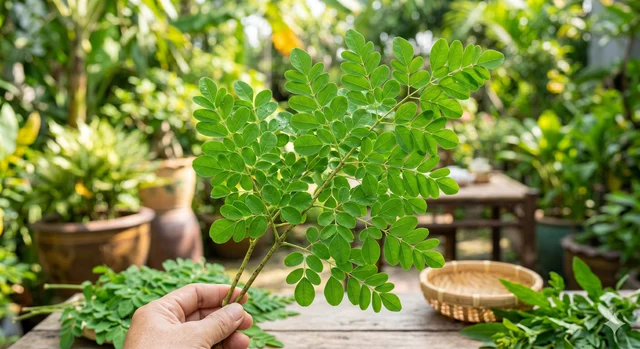
Moringa leaves are highly nutritious, containing many vitamins A, C, and B vitamins. Photo: PH created from GM
Blood sugar control
According to Dr. Malavika Athavale, moringa leaves help stabilize blood sugar levels thanks to isothiocyanates; keeping blood sugar levels within a normal range helps avoid complications.
Lower cholesterol
Moringa leaves are considered an effective herbal remedy for controlling cholesterol. Research shows that supplementing with moringa leaves can help improve cholesterol levels, thereby contributing to a reduced risk of heart disease.
Liver support
Moringa leaves may support liver cell regeneration due to their high polyphenol content, which helps protect the liver from oxidative damage and reduces oxidative stress by activating certain beneficial proteins.
The liver plays a crucial role in detoxifying the blood, metabolizing fats, and absorbing nutrients, and it only functions effectively when liver enzymes are at stable levels. Research suggests that moringa leaves may contribute to maintaining and stabilizing these liver enzyme levels.
Protect your brain
Studies show that supplementing with moringa leaves may help improve certain neurological disorders. These leaves help boost brain health by acting as a "nerve booster." Their high content of vitamins E and C contributes to slowing down neurodegeneration and improving brain function. In addition, moringa helps stabilize mood by regulating neurotransmitters such as serotonin, dopamine, and noradrenaline – all crucial for memory and emotions.
Furthermore, moringa leaves possess anti-inflammatory properties due to the presence of compounds such as isothiocyanates and niazimicin, which may help inhibit the growth of cancer cells. This vegetable also offers many other benefits such as supporting bone and joint health, improving digestion, fighting bacteria, increasing milk production, controlling weight, beautifying skin and hair, and contributing to the body's detoxification process.
Preparation method and dosage
Moringa leaves can be prepared in many familiar dishes such as soup with meat, shrimp, or fish, stir-fried lightly, or used in stews. According to The Times of India , moringa leaves are often used as a green vegetable in daily meals and should be added last when cooking to minimize the loss of vitamins and antioxidants.
Regarding dosage, nutritional literature in Asia suggests that moringa can be used flexibly in the form of fresh leaves, powder, or tea. Common amounts are around 2-6 grams of leaf powder per day , or using fresh leaves as a vegetable portion in daily meals. This is the level recorded in research reviews on the nutritional value and applications of moringa in the Asian region.
Experts also recommend starting with small amounts to allow the body to adapt, as moringa contains many bioactive compounds. Despite its many benefits, use should be moderate, and consult a doctor if you have underlying health conditions or are taking medication.