


Vietnam used to receive less attention compared to neighboring "hotel powerhouses" like Thailand or Indonesia . But in recent years, this picture has been rapidly changing. According to the British travel magazine Condé Nast Traveller , from Con Dao, Phu Quoc , Da Nang to Hanoi and Ho Chi Minh City, the chosen names show a new face of Vietnam's hotel industry that is increasingly luxurious and modern, while still knowing how to tell its local story.
The magazine has just included 11 Vietnamese hotels and resorts on its list of the best places to stay in the land of "turquoise lagoons, hidden bays and the majestic Mekong River".
Zannier Coral Reef
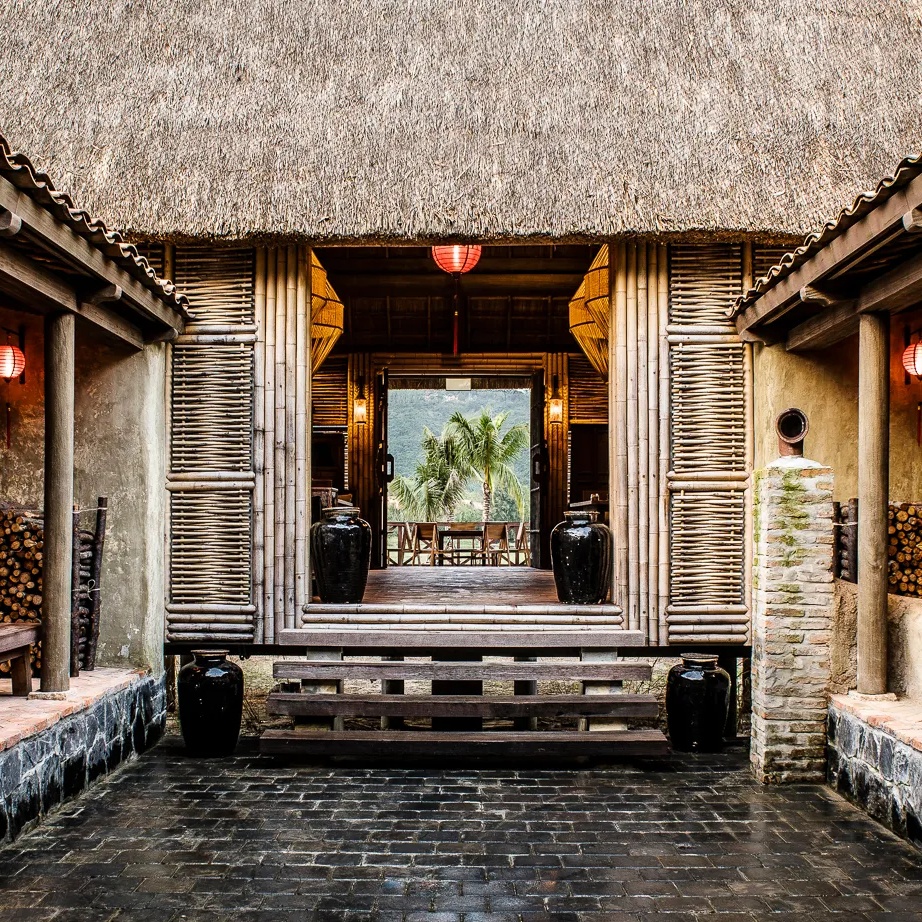
Zannier Coral Beach is highly rated by Condé Nast Traveller for its secluded retreat nestled amidst green hills, rice paddies, and a long beach. The resort features 73 independent villas, inspired by the traditional stilt houses and bamboo houses of fishermen and the Ede and Cham communities.
The appeal of this place lies in its blend of design, nature, and local culture. The interiors utilize many natural materials such as rattan, bamboo, jute, linen, and silk in earthy tones, creating a luxurious yet understated feel. This is a suitable choice for travelers who enjoy a slow-paced retreat, appreciate design, and want to escape from overly crowded destinations.
One thing to consider is its somewhat isolated location. For those who want plenty of entertainment, shopping, or urban exploration , this resort might be a bit too quiet.
Six Senses Con Dao
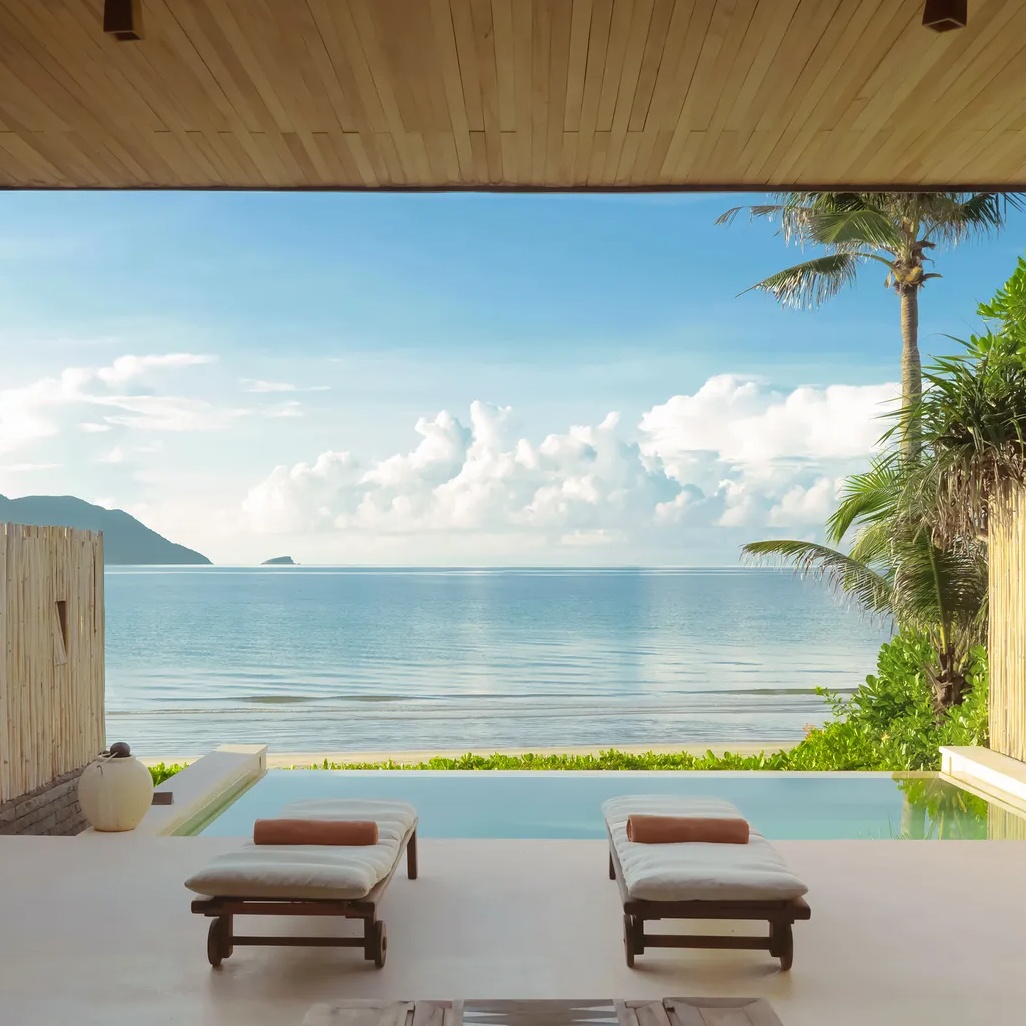
Six Senses Con Dao first and foremost stands out for its rare location, nestled between the sea, tropical forest, and mountains, on an archipelago rich in natural resources in Southeast Asia. The space here creates a feeling of almost complete separation from the hustle and bustle of city life, where guests can step from their villas just a few steps down to the beach.
The resort's appeal lies not only in its pristine landscape but also in its philosophy of ecotourism. The resort prioritizes the protection of the marine ecosystem, particularly through its program of hatching and releasing green sea turtles back into the ocean. The villas, constructed from wood and bamboo, feature private pools and direct access to the beach, offering an experience that is both close to nature and private.
This place is suitable for couples, families, or travelers looking to rejuvenate both physically and mentally. However, accommodation and transportation costs are often high, while activities outside the resort are not very vibrant.
Regent Phu Quoc
With Regent Phu Quoc, Condé Nast Traveller sees not only a luxurious beachfront resort, but also a remarkable comeback for the Regent brand. Having experienced a golden age in the 1980s and 1990s before fading into obscurity, Regent has been revived with renewed ambition, and the resort in Phu Quoc is a significant milestone.
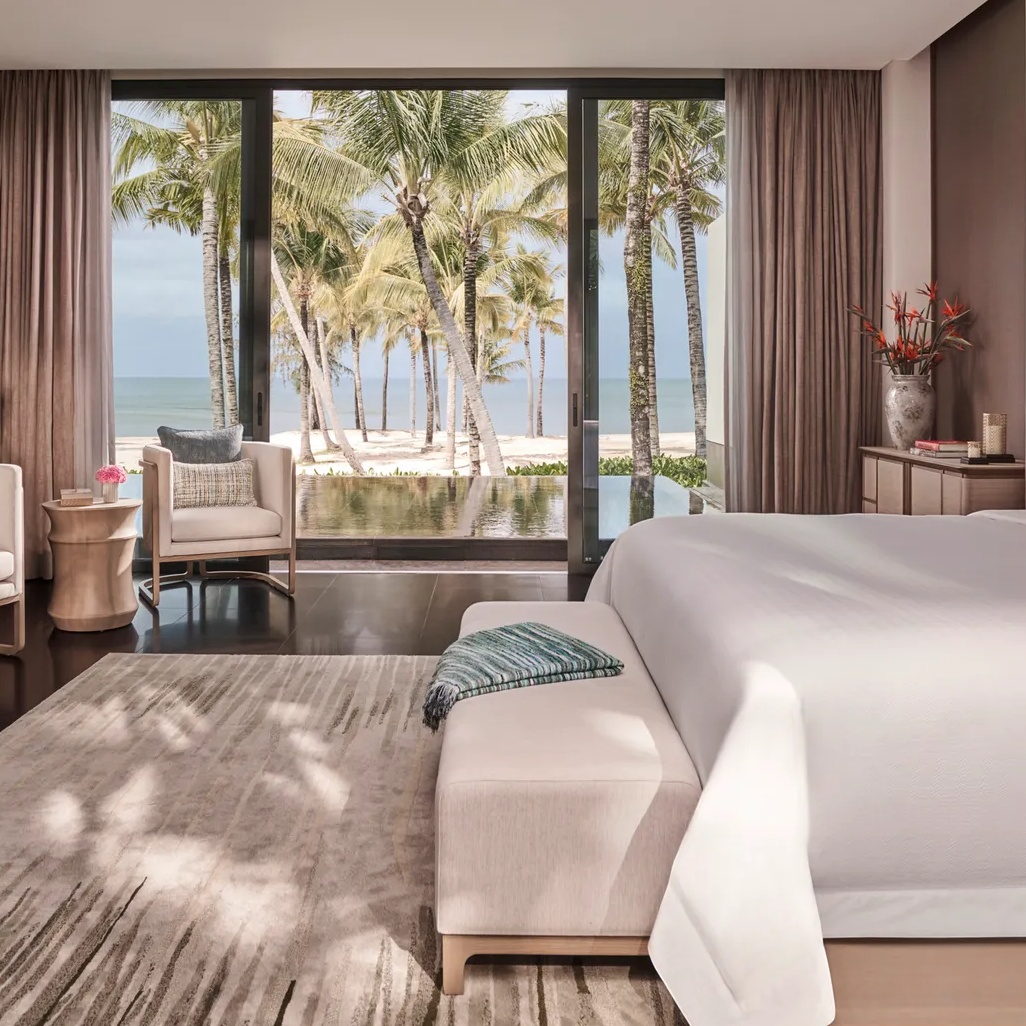
Located on Bai Truong Beach, this resort impresses with its spaciousness, privacy, and meticulous attention to detail. The resort focuses on suites and villas, many with private pools, private kitchens, and separate living spaces. The design utilizes wood, marble, cream tones, and just the right amount of luxurious accents.
The resort's appeal lies in its comprehensive resort experience with spacious rooms, personalized service, numerous restaurants and bars, swimming pools, and high-end amenities. A point to consider is that Bai Truong is developing rapidly, so it doesn't offer the same sense of complete seclusion as resorts in more pristine coastal areas.
Namia River Retreat, Hoi An
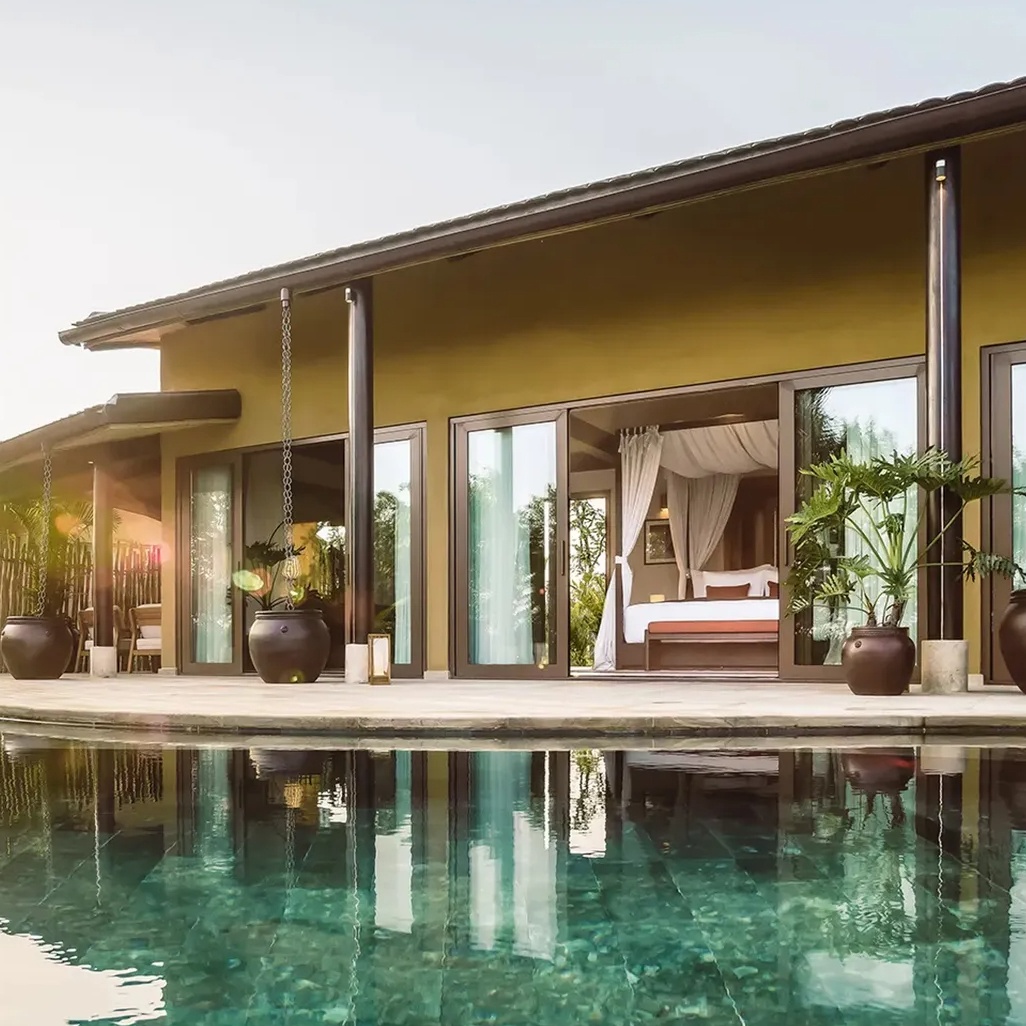
Namia River Retreat doesn't rely on the sea as its main advantage, but instead makes its mark with a riverside lifestyle. Located about a 10-minute boat ride from Hoi An Ancient Town, the resort features 60 villas, all with private pools.
What sets this retreat apart is its wellness model centered around local herbs. Each night's stay includes a 90-minute treatment with options such as massage, acupressure, cupping therapy, herbal baths, yoga, meditation, or cycling through the countryside.
Park Hyatt Saigon
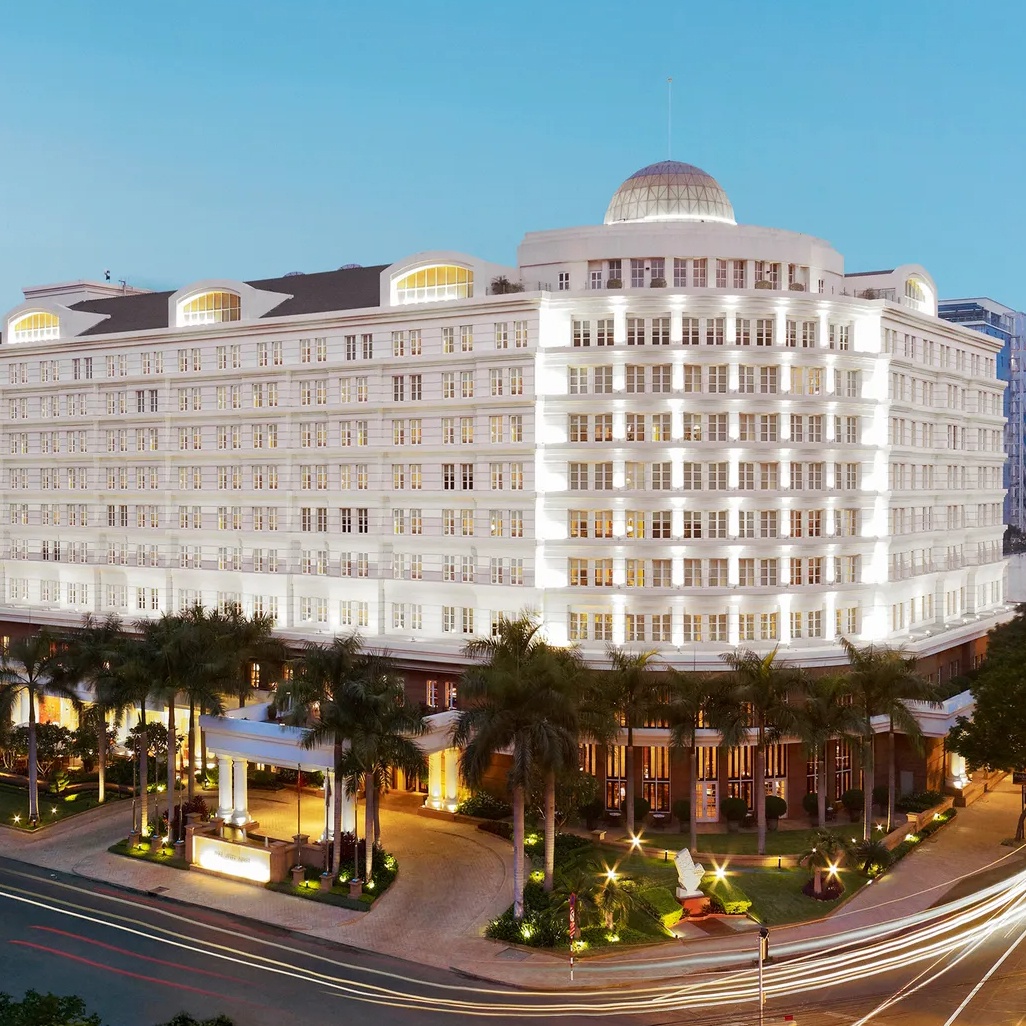
Park Hyatt Saigon is a prime example of a luxurious urban hotel. Located near the City Theatre, the hotel boasts a French colonial style, perfect for travelers who want to explore Ho Chi Minh City but still require a quiet, upscale accommodation.
The hotel's highlight is its perfectly balanced elegance. From the lobby and guest rooms to the pool and restaurant, everything is designed with a classic and sophisticated flair. Its central location also provides easy access to the City Theatre, the Central Post Office, Notre Dame Cathedral, Ben Thanh Market, and many prominent restaurants.
Sofitel Legend Metropole Hanoi
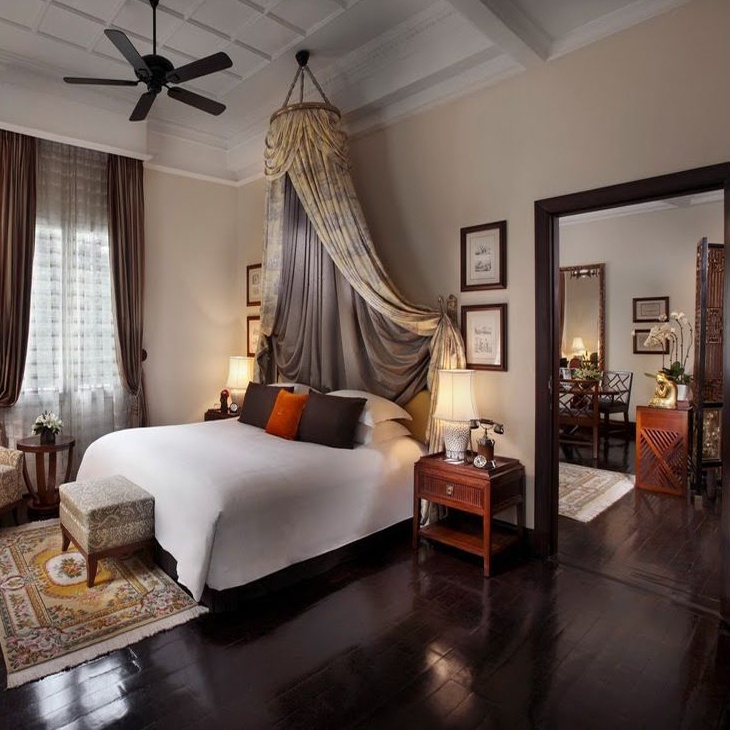
Sofitel Legend Metropole Hanoi is not just a place to stay, but also a part of Hanoi's urban memory. Opened in 1901, this hotel has hosted many famous figures, from artists and writers to heads of state and royalty.
What earned the hotel such high praise from Condé Nast Traveller is its ability to maintain the elegance of a bygone era without turning itself into a museum. The Heritage Wing features a French-Indochinese style with dark wood floors, marble bathrooms, and classical artwork. The Opera Wing is more modern, suitable for families and business travelers, but still maintains a consistent sense of luxury.
Here, the experience extends beyond just your room. Le Beaulieu, Le Club Bar, Bamboo Bar, the bakery, afternoon tea, and the "Historical Path" tour take guests through the hotel's layers of memory, including a once-forgotten underground bunker.
InterContinental Danang Sun Peninsula Resort
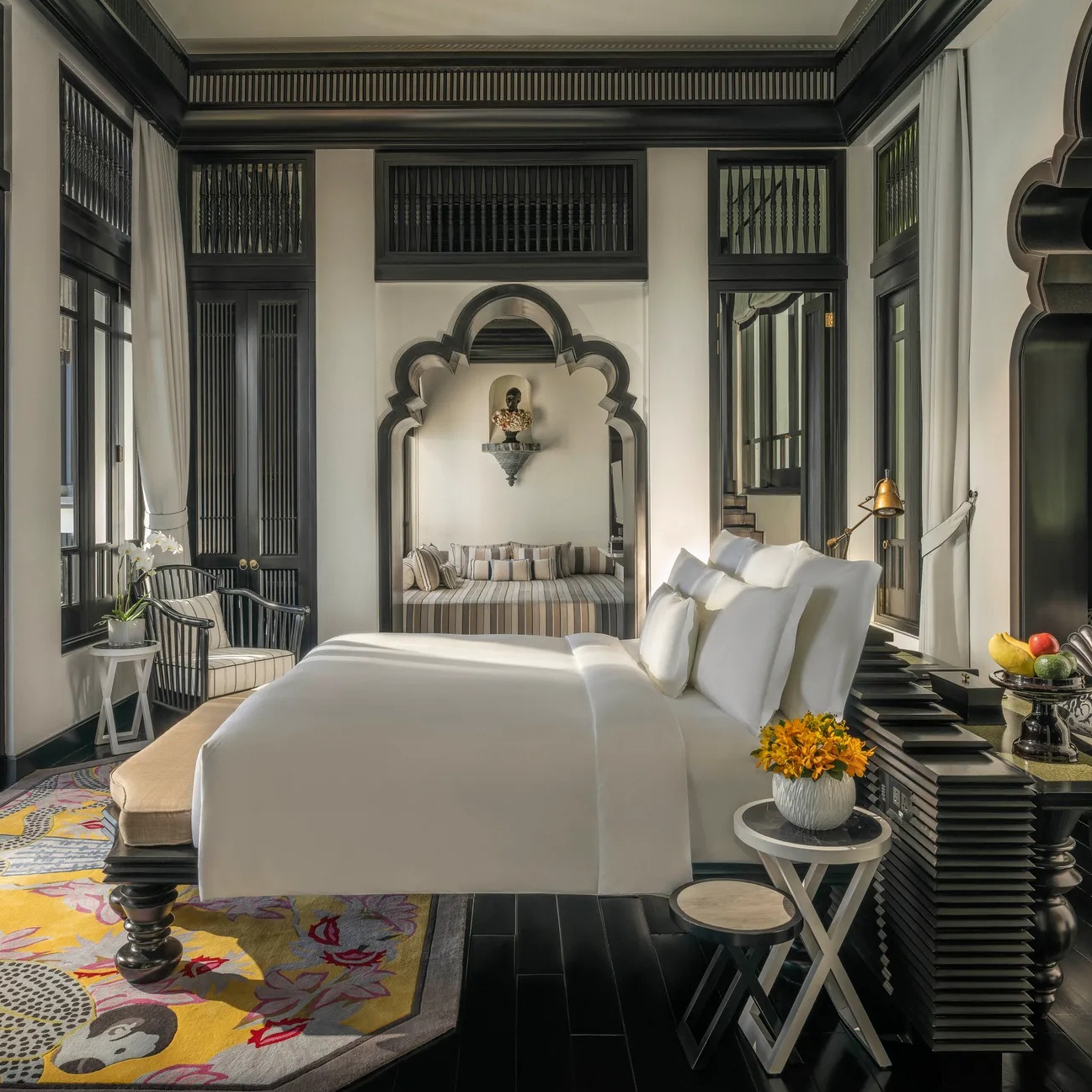
InterContinental Danang Sun Peninsula Resort stands out thanks to its location on the Son Tra Peninsula and the iconic design of architect Bill Bensley. The resort stretches across the hillside, nestled between lush forests and the sea.
Instead of opting for the familiar seaside resort style, this place makes its mark with its highly expressive architecture, combining inspiration from Vietnamese villages, Indochinese details, and the free-spiritedness of modern resort living. The rooms offer expansive views of the sea and Son Tra forest.
Amanoi
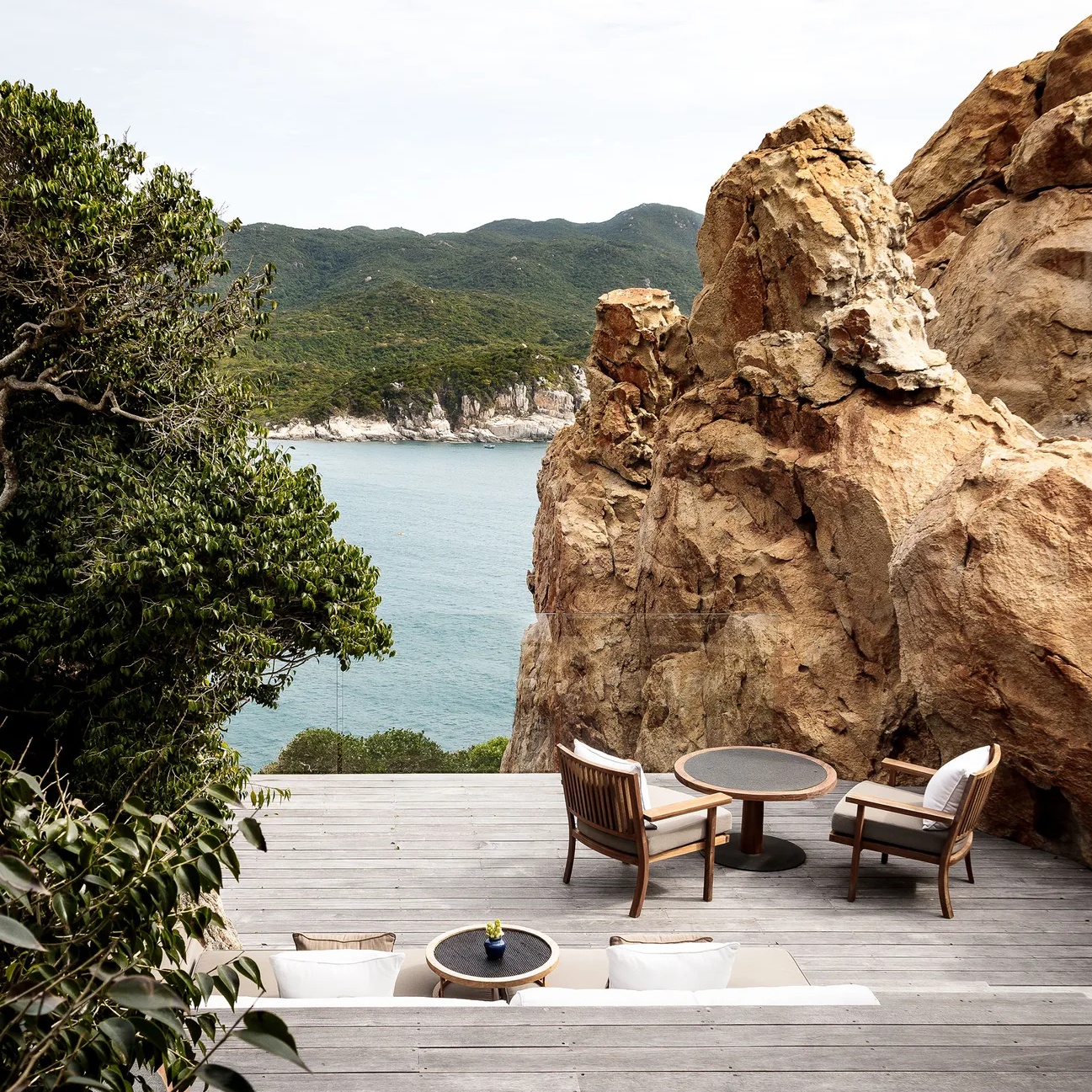
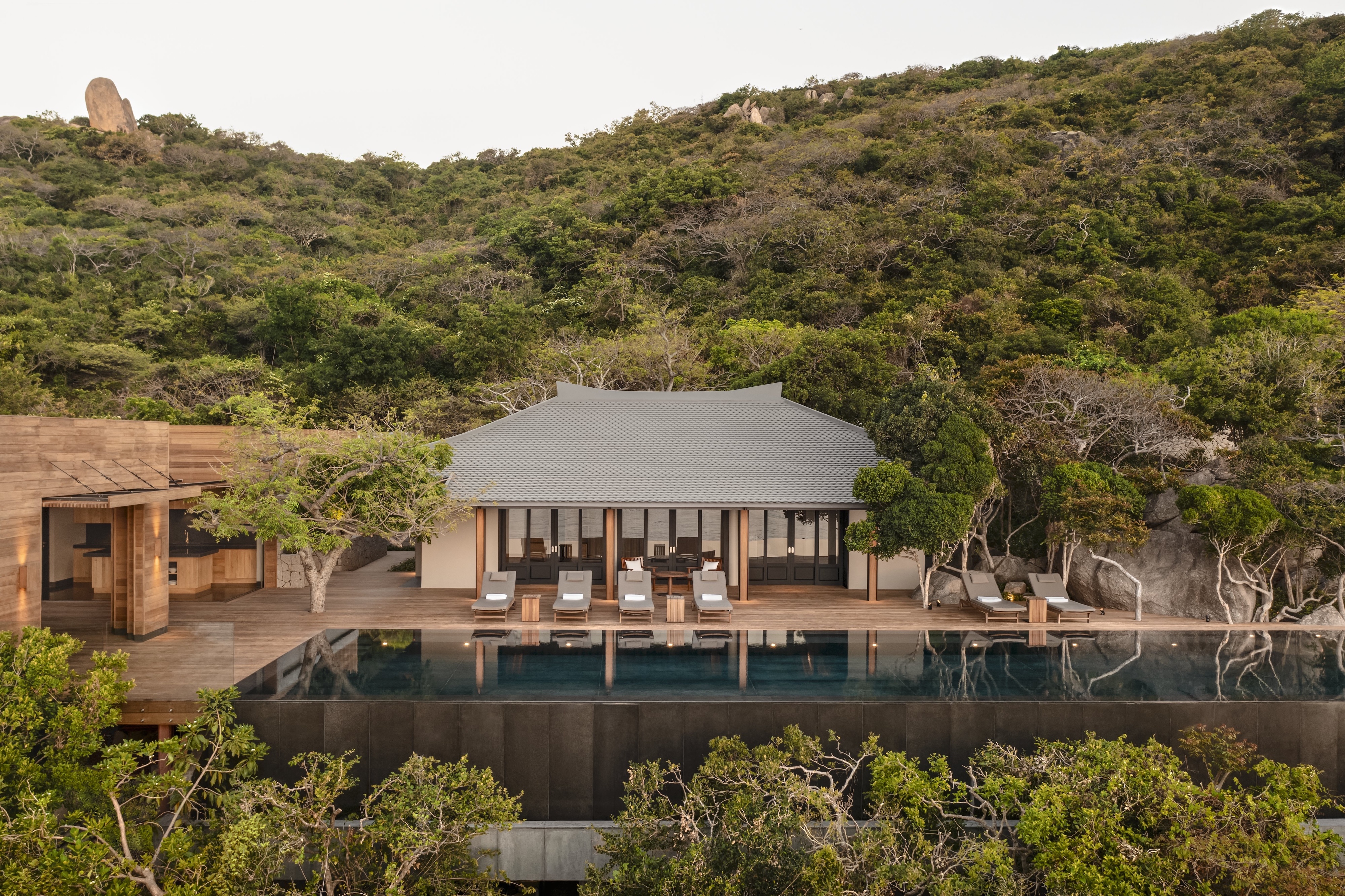
Amanoi is situated on Vinh Hy Bay, nestled between rocky mountains, lush forests, and the sea. The resort embodies Aman's signature secluded spirit, perfect for those seeking a true retreat during their vacation.
Scattered pavilions and villas with slate tile roofs nestled amidst nature, they feature minimalist design with light-colored wood, muted fabrics, and clean lines. Private beaches, kayaking, snorkeling, afternoon tea on the hill, and wellness villas create a slow, tranquil, and private getaway.
Azerai Can Tho
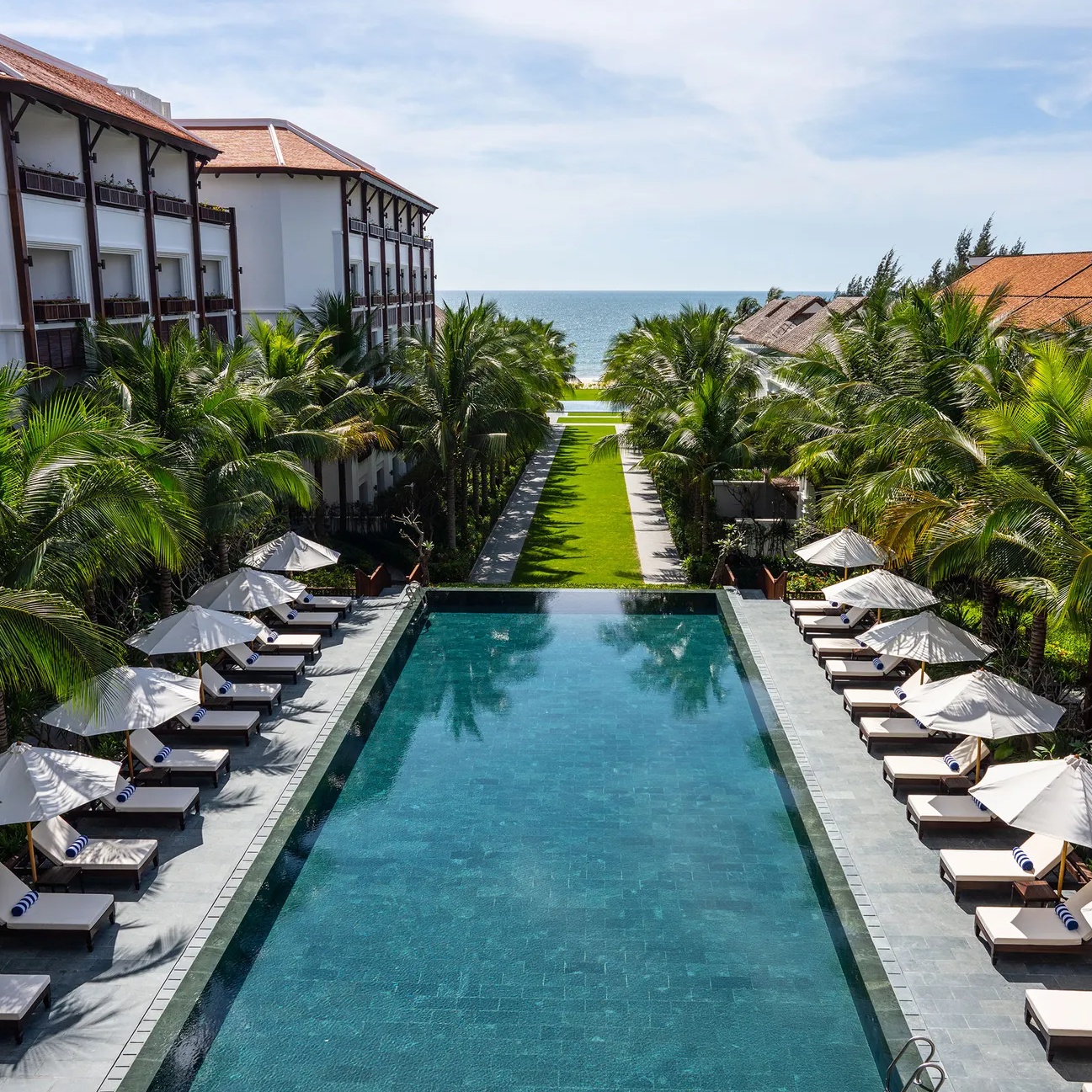
Azerai Can Tho offers a unique atmosphere, lacking the sea or mountains, and instead surrounded by the waterways of the Mekong Delta. The resort is located near the Hau River, just a few minutes' boat ride from the center of Can Tho.
The appeal of this place lies in the contrast between the bustling center of Can Tho and the tranquil green spaces within the resort. Guests can relax amidst the trees, enjoy local specialties of the Mekong Delta, and then easily venture out to explore the market, the boat docks, and the riverside life.
Capella Hanoi
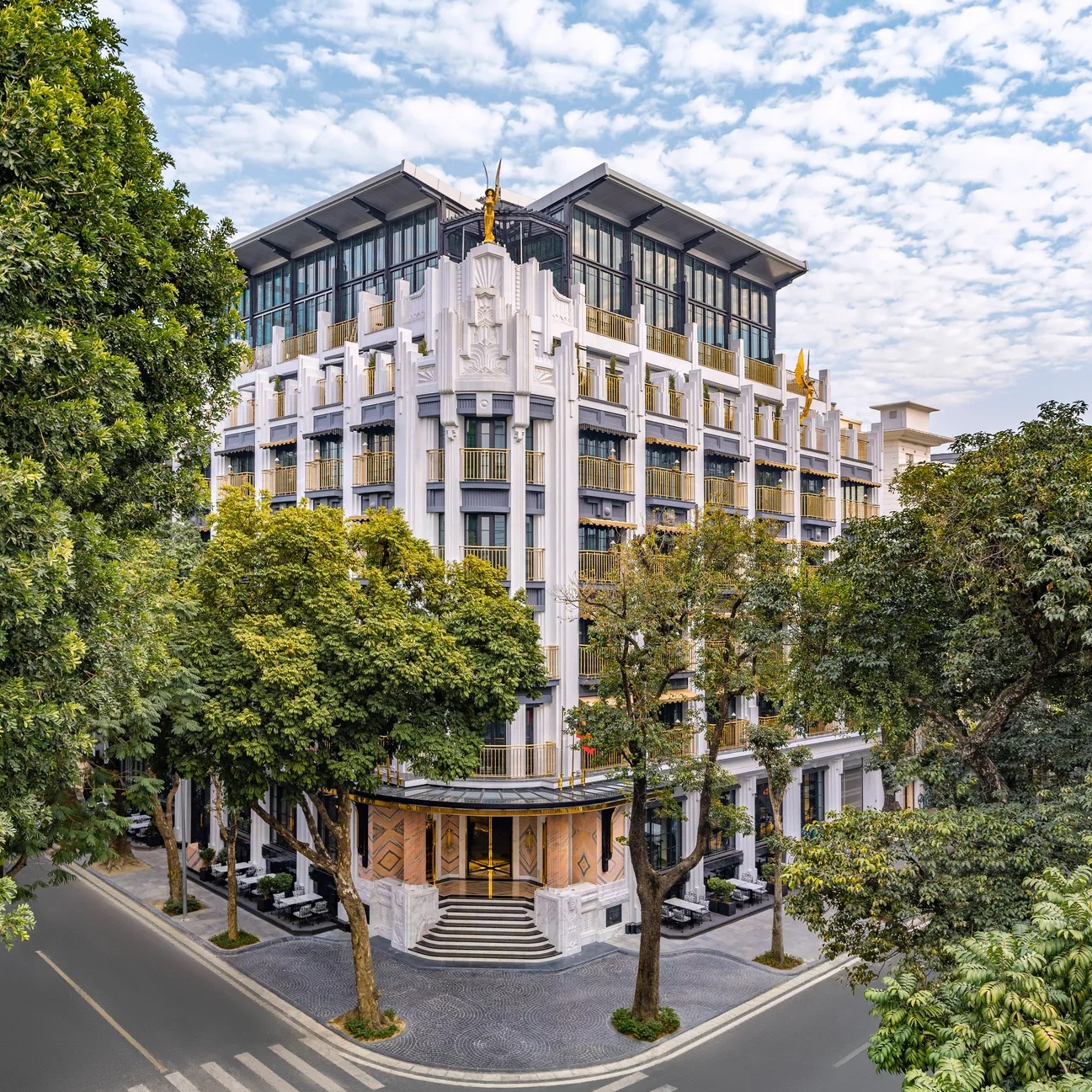
Capella Hanoi's design takes a dramatic approach, drawing inspiration from the Hanoi Opera House and the golden age of opera. Under the direction of Bill Bensley, the hotel becomes a miniature stage in the heart of the capital.
The lobby, murals, props, hand-painted wallpaper, marble, mirrors, gold accents, and 47 suites are all designed to tell individual stories about artists, singers, and stage designers of the past. This is the choice for travelers who appreciate art, architecture, and hotels with a distinct personality.
The Anam Mui Ne
The Anam Mui Ne is a distinctly Vietnamese representative on the list. This luxurious Indochinese-style resort evokes the charm of French villas in Vietnam with its multicolored tile floors, delicate decorative trim, and teak wood interiors.
A notable feature is how the hotel incorporates local art and crafts into its accommodations. Each room and suite features oil paintings by Vietnamese artists, while over 120 ceramic pieces by Cham artisans are displayed throughout the grounds. From here, guests can enjoy the beach, explore the Mui Ne sand dunes, or visit Cham relics near Phan Thiet.