


Reason
Accumulation of waste and bacteria
Toilets are breeding grounds for bacteria from waste. When not cleaned regularly, these bacteria break down organic matter, producing unpleasant-smelling gases such as ammonia or hydrogen sulfide.
Poor drainage system
Clogged or improperly installed drainage systems can cause sewage gases to back up. This is a common cause of persistent odors.
High humidity and poor ventilation
Closed spaces with poor air circulation will cause odors to accumulate for longer. High humidity also creates conditions for mold growth, contributing to the unpleasant smell.
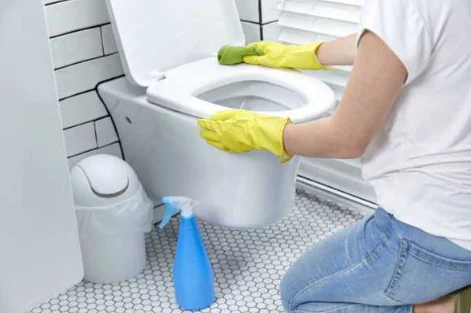
Bathrooms are areas prone to bacteria and odors due to their damp and enclosed nature.
Dirty toilets and sanitary fixtures
Areas like toilets, sinks, or floors, if not cleaned regularly, will accumulate dirt, bacteria, and cause odors.
Pipe or septic tank malfunction
When the septic tank is full or the pipes are leaking, foul odors can escape and spread throughout the bathroom. Generally, bathroom odors usually stem from a combination of factors, from poor hygiene to technical problems in the drainage system.
If left untreated, these causes can make the odor persistent and more difficult to control. Identifying the correct source of the odor is a crucial step in choosing an effective and long-lasting solution.
How to deal with toilet odors
Clean the toilet regularly.
Regular cleaning helps eliminate odor sources and limit bacterial growth. Scrub toilets and floors daily or every other day. Use appropriate cleaning solutions. Dry surfaces thoroughly to prevent mold growth.
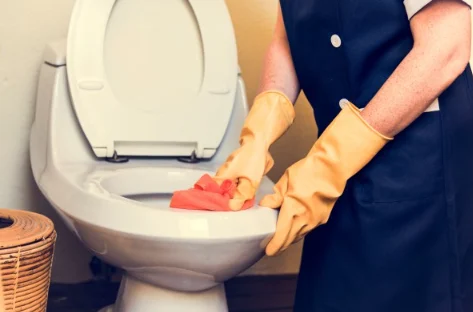
If left untreated, these causes can make the odor persistent and more difficult to control.
Maintaining a regular cleaning routine not only helps eliminate odors at their source but also contributes to controlling bacteria, keeping the bathroom clean, safe, and pleasant in the long run.
Deodorize using natural ingredients.
Some natural ingredients are effective at absorbing and neutralizing odors. Baking soda helps absorb odors and reduce moisture. Vinegar has mild antibacterial properties. Lemon or essential oils create a pleasant fragrance.
Utilizing natural ingredients not only helps reduce odors safely but also limits exposure to chemicals, making it suitable for enclosed living spaces and frequent use.
Improve ventilation
Good ventilation helps reduce the buildup of odors and moisture in enclosed spaces. Open windows after use. Install a ventilation fan if needed. Ensure continuous air circulation.
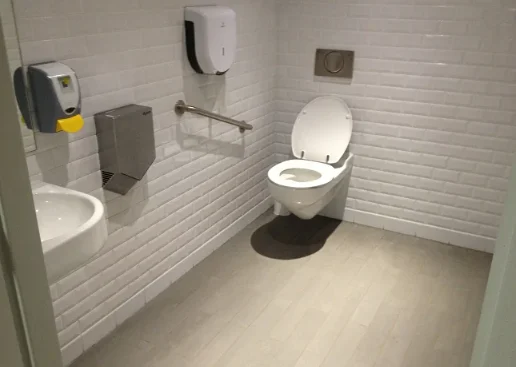
If the odor originates from the drain, it needs to be addressed at its source to prevent recurrence. Clean the pipes regularly. Check the drain trap (P-trap) to prevent gas leaks. Call a plumber if you detect any blockages or leaks.
When air circulates effectively, odors will not have the conditions to accumulate for long periods, thus helping to keep the space dry and significantly reducing the risk of bacteria and mold growth.
Inspect and maintain the drainage system.
If the odor originates from the drain, it needs to be addressed at its source to prevent recurrence. Clean the pipes regularly. Check the drain trap (P-trap) to prevent gas leaks. Call a plumber if you detect any blockages or leaks.
Regular inspection and maintenance of drainage systems are crucial in preventing odors from originating, and also help detect technical problems early for timely and effective resolution.
Use a specialized deodorizing product.
In addition to natural methods, specialized products can be used to increase effectiveness: scented waxes or deodorizing gels, quick-drying deodorizing sprays, and toilet bowl tablets.
Combining deodorizing products with proper hygiene and ventilation will help maintain a cleaner, fresher-smelling environment more consistently, especially in enclosed spaces or those with high usage frequency.
Addressing bathroom odors requires a comprehensive approach, from daily cleaning to controlling drainage systems and air quality. By maintaining proper habits, odors can be effectively controlled and recurrence minimized.