



Medicinal foods play an important role in the treatment of tuberculosis. A balanced diet, rich in protein, energy, and micronutrients, helps patients increase their resistance, improve their physical condition, and support the recovery process effectively.
Tuberculosis (TB) is an infectious disease caused by the bacterium Mycobacterium tuberculosis, primarily affecting the lungs but potentially impacting many other organs in the body. Treatment for TB typically lasts six months or more and requires strict adherence to the prescribed medication regimen.
Throughout treatment, the body expends a lot of energy fighting bacteria and repairing damage to the lungs and other tissues. This often leads to weight loss, weakness, loss of appetite, and micronutrient deficiencies.
Malnutrition is one of the factors that increases the risk of tuberculosis progressing from latent to active form, and also slows down the recovery process. Therefore, a complete and balanced diet not only helps improve physical condition but also contributes to increased treatment effectiveness.
1. Dietary principles for tuberculosis patients
Patients with tuberculosis need a diet that adheres to the following principles:
- There is enough energy to compensate for the loss due to illness.
- Increase protein intake to aid tissue repair.
- Supplementing with vitamins and minerals helps boost immunity.
- Easily digestible, suitable for the patient's dietary needs.
- Divide meals into smaller portions if the patient has a poor appetite or eats very little...
The diet should be varied and balanced in terms of food groups, while limiting foods that are harmful to the treatment process.
2. Foods you should eat
2.1 Protein-rich foods - the foundation of body recovery
Protein plays a crucial role in tissue regeneration, maintaining muscle mass, and supporting the immune system. Tuberculosis patients often experience muscle loss due to prolonged weight reduction, so adequate daily protein intake is essential.
Good sources of protein include:
- Lean meats (chicken, beef)
- Fish and seafood
- Eggs, milk, and dairy products (yogurt, cheese)
- Tofu, soybeans, lentils, and other types of beans...
It is preferable to cook food by boiling, steaming, or stewing for easier digestion, and to limit deep-frying with lots of oil.

Protein-rich foods are fundamental to the body's recovery for tuberculosis patients.
2.2 High-energy foods prevent weight loss
Weight loss is a common symptom in tuberculosis patients. Adequate energy intake helps maintain weight and improve overall health.
Energy-rich foods that should be included in the diet include:
- Starch: Rice, bread, noodles, potatoes, sweet potatoes.
- Energy-rich fruits: Bananas, mangoes...
- Healthy fats: Olive oil, vegetable oil, avocado.
- Nuts: Almonds, cashews, peanuts...
Patients should eat three main meals and may add one to two snacks per day to increase their total energy intake.
2.3 Increase your intake of green vegetables and fruits to supplement vitamins and minerals.
Green vegetables and fruits provide many vitamins, minerals, and antioxidants, which help boost the immune system and support the body in fighting infections.
Some types should be prioritized:
- Fruits: Oranges, tangerines, apples, papayas, guavas, mangoes
- Green vegetables: Spinach, broccoli, carrots, tomatoes, beets...
You should eat a variety of fruits and vegetables every day to ensure you get enough essential micronutrients.
2.4 Vitamin C supports immunity and fights infection.
Vitamin C plays an important role in boosting immunity and helping the body fight against tuberculosis bacteria.
Foods rich in vitamin C include: oranges, lemons, tangerines, guavas, pineapples, and dark green leafy vegetables; it is best to use fresh fruit instead of bottled juice to retain the highest vitamin content.
2.5 Iron supplementation reduces fatigue and anemia.
Iron deficiency can cause tuberculosis patients to feel tired, reduce their activity levels, and slow their recovery.
Foods rich in iron include:
- Red meat (beef, liver).
- Dark green leafy vegetables (spinach).
- Beetroot.
- Beans and nuts.
- Raisins, dates...
To increase iron absorption, it should be combined with foods rich in vitamin C in the same meal.
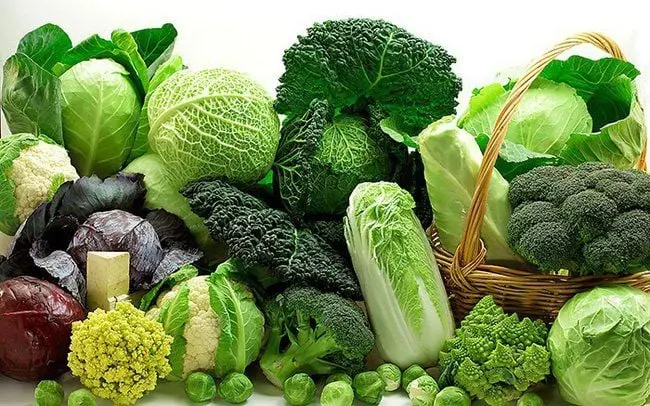
Leafy green vegetables increase iron absorption, reducing fatigue and anemia.
2.6 Drinking enough water aids in elimination and recovery.
Water plays a vital role in maintaining bodily functions and supporting the elimination of toxins.
Patients with tuberculosis should:
- Drink 1.5–2 liters of water each day (depending on your physical condition).
- Add water from soups and broths.
- You can use coconut water or fresh fruit juice...
- Avoid alcoholic or sugary drinks.
3. Important considerations regarding diet
In addition to choosing the right foods, tuberculosis patients should also note the following:
- Avoid alcohol as it can reduce the effectiveness of medication.
- Limit foods that are high in fat and difficult to digest.
- Don't skip meals, even if you have a poor appetite.
- Maintain food hygiene and safety to avoid infection.
- Follow your doctor's instructions regarding medication...
In some cases, patients may need to take micronutrient supplements or medical nutritional supplements as prescribed by their doctor.
4. Proper nutrition helps shorten recovery time.
Nutrition is not a substitute for tuberculosis medication, but it plays a crucial supporting role in the recovery process. A balanced diet, providing sufficient energy and micronutrients, helps to:
- Boost your immune system.
- Improve weight and physical condition.
- Reduces fatigue.
- Supports recovery from lung damage...
Patients need close coordination between medical treatment and nutritional care to achieve optimal results.
Tuberculosis is curable if treatment regimens are followed correctly and comprehensive care is provided, with nutrition being an indispensable factor. Developing a proper diet tailored to each stage of the disease will help patients recover faster and improve their quality of life. Patients should consult their doctor or a nutritionist to create a meal plan suitable for their health condition.