


Vietnam's coffee exports in the first half of 2026 are showing a significant decrease in value due to a sharp drop in world market prices, while the Chinese market is experiencing a strong surge.
According to the Vietnam Customs Department, in the first six months of 2026, Vietnam's coffee exports reached 1.05 million tons, valued at US$4.81 billion, an increase of 7.4% in volume but a decrease of 14% in value compared to the same period in 2025. The increase in volume but decrease in value is due to a sharp decline in export prices. In the first six months of 2026, the average export price of coffee reached US$4,565 per ton, a decrease of 20% compared to the same period in 2025.
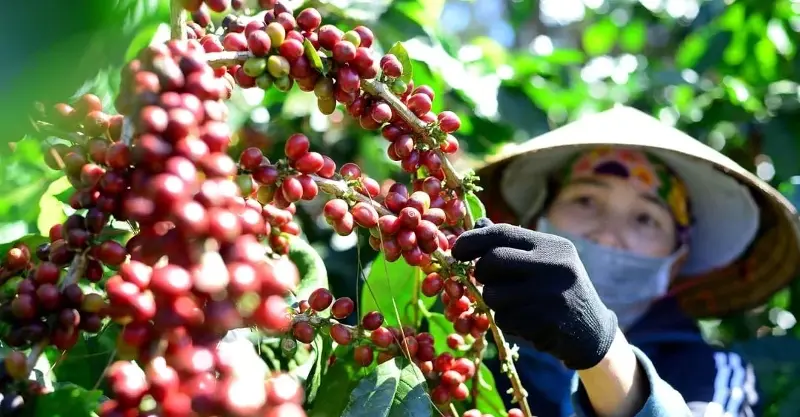
Vietnamese coffee exports to China have increased in both volume and price. Photo: NNMT .
In this context, China is becoming a bright spot for Vietnamese coffee, with exports to this market increasing sharply in both volume and value. Specifically, in the first six months of 2026, coffee exports to China reached 38,823 tons with a value of 226 million USD, an increase of 49% in volume and a remarkable 76% in value compared to the same period last year.
A noticeable trend in Vietnam's coffee exports to China is that value is growing much faster than volume, and the main reason remains price. In the first half of this year, the average price of coffee exported to China reached US$5,831 per ton, a 13% increase compared to the same period in 2025 and nearly US$1,300 per ton higher than the average price of coffee exported to other markets.
While this strong growth hasn't yet propelled the Chinese market to the top of Vietnam's coffee markets (China currently ranks 9th among the top 10 largest markets for Vietnamese coffee, unchanged from the end of 2025), it is significantly improving Vietnam's position and market share in the Chinese coffee market.
According to the General Administration of Customs of China, in the first five months of 2026, China imported 17,500 tons of coffee from Vietnam, worth nearly $100 million, an increase of 77% in volume and 87% in value compared to the same period in 2025.
With the aforementioned strong growth, Vietnam's market share of coffee in China's total imports is expected to increase from nearly 12% in the first five months of 2025 to 20% in the first five months of 2026. Simultaneously, Vietnam will rise from fourth place at the end of 2025 to second place among the largest coffee exporting countries to China.
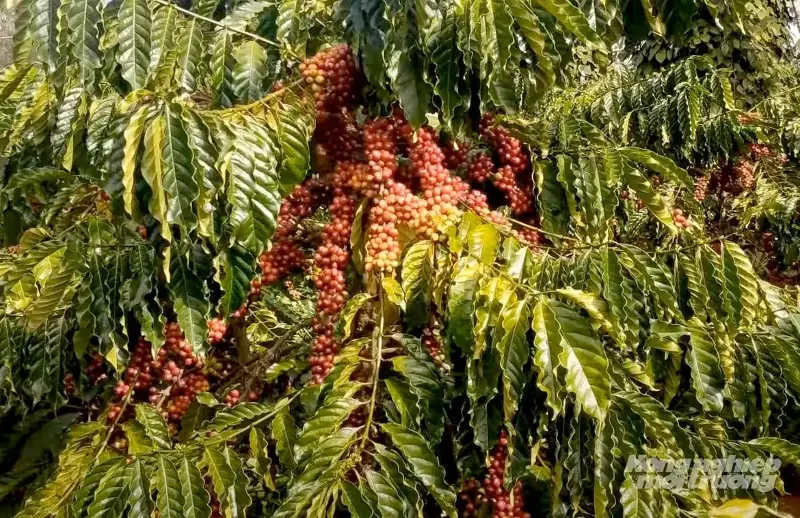
Vietnamese coffee is increasing its market share in China. Photo: Son Trang .
The opportunity for Vietnamese businesses to boost coffee exports to China is immense, as it is one of the fastest-growing coffee markets globally and currently ranks among the top 15 largest coffee importers in the world .
In 2025, China's coffee imports are projected to reach $1.68 billion, with major suppliers being Brazil ($503 million), Ethiopia ($495 million), Colombia ($182 million), Vietnam ($121 million), and Indonesia ($106 million).
Coffee consumption in China has been rapidly increasing over the past several years due to changes in the consumption habits of young people, urbanization, and the rapid development of coffee chains. A report by Grand View Research indicates that the Chinese coffee market will reach approximately US$3.26 billion in 2025 and is projected to grow to US$5.36 billion by 2033, with an average annual growth rate of 6.4% between 2026 and 2033.
In terms of product structure, roasted coffee currently generates the largest revenue in the Chinese market. Meanwhile, ready-to-drink coffee is projected to experience rapid growth in the near future due to its convenience, suitability for urban lifestyles, and the fast-paced consumer trend in the country.
According to the Import-Export Department of the Ministry of Industry and Trade, with the growing demand for coffee, China will continue to be a promising market for coffee exporting countries, including Vietnam. Opportunities focus on Robusta coffee products, instant coffee, ready-to-drink coffee, and convenient product lines that suit the tastes of young consumers in China.