


Qatar Heritage
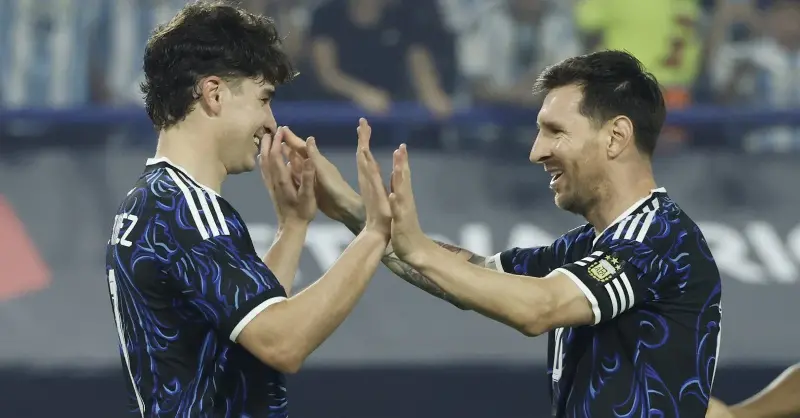
In Qatar 2022, Lionel Messi lifted the World Cup trophy, concluding the longest journey in modern football history. Argentina, once a team haunted by the past, became world champions.
The biggest question then was whether they could maintain their peak performance. Four years later, Argentina returned to the World Cup as the defending champions – the most comfortable position they had been in decades .
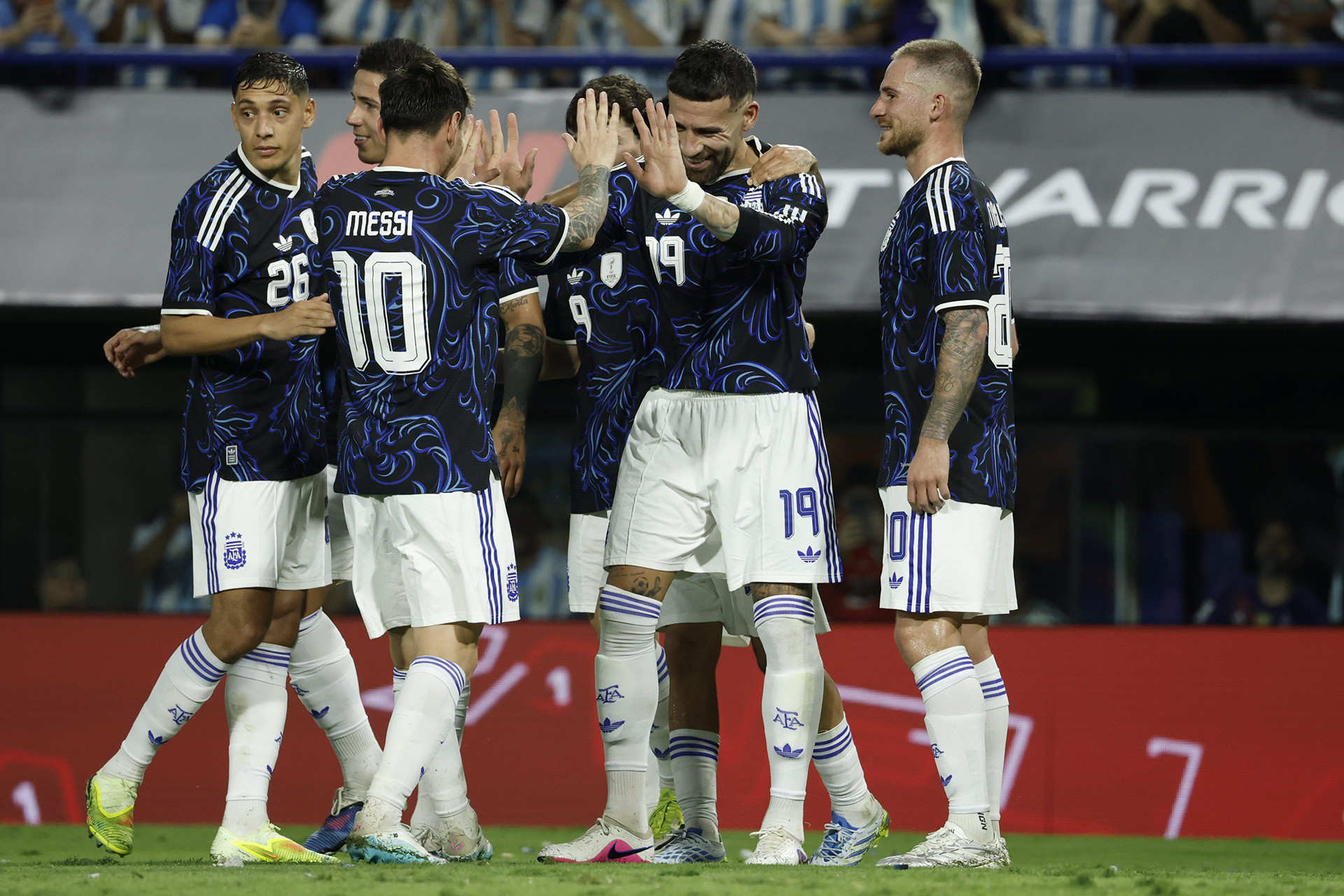
Argentina carries with it not only the memory of that magical night in Qatar, but also the majority of the people who made that victory possible.
Few world champions have entered the next World Cup with such a high level of succession as Argentina currently does.
In their 2026 World Cup squad, Argentina still retains 17 players from the 2022 Qatar World Cup-winning team, including the core group of Dibu Martinez, Cuti Romero, De Paul, Mac Allister, Enzo Fernandez, Julian Alvarez, and of course, Messi.
That's an advantage that's not easily obtained. Many defending champions in history have had to undergo a generational transition immediately after winning the title. Argentina is different.
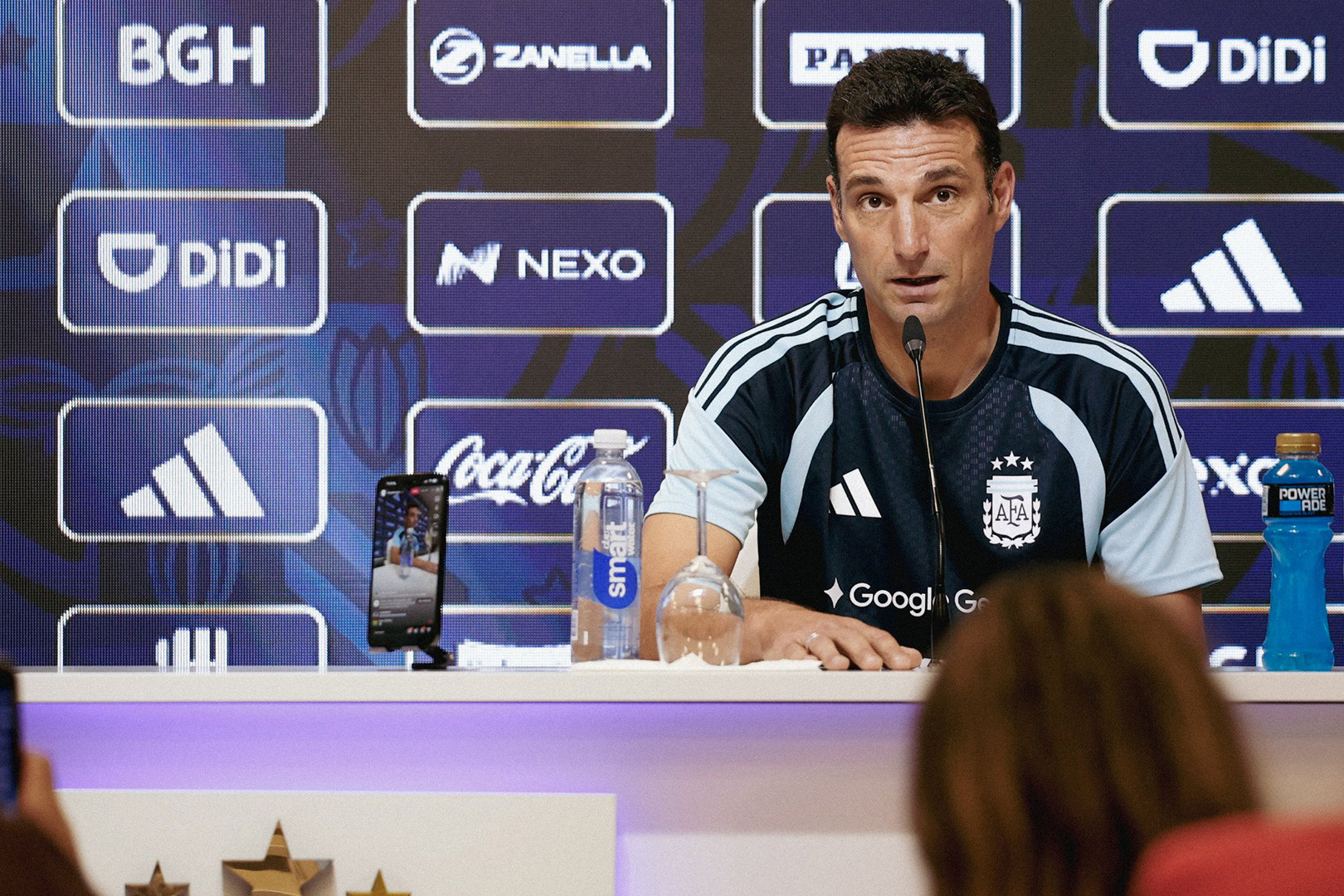
Coach Lionel Scaloni continues to have the same squad that conquered the 2021 Copa America, the 2022 World Cup, and the 2024 Copa America together. They understand each other almost instinctively.
When entering a short tournament like the World Cup, that kind of chemistry can make a huge difference. Not many national teams in the world possess a core group that has been together for so long.
Conversely, that also presents a challenge. After four years, football is constantly changing, and opponents have had ample time to study Argentina.

The combinations, tactical habits, and strategies that helped Scaloni and his team rewrite history are no longer a secret.
In addition, there's the issue of motivation. World Cup history shows that defending the title is always harder than winning it for the first time. Many members of the Argentina team have already won every major title in their careers and are no longer driven by the thirst for victory they felt in Qatar.
Maintaining that hunger after reaching the pinnacle of world football is a challenge that not every golden generation can overcome. Nevertheless, "La Albiceleste" remains a top contender for the championship.
There's a lesson for Argentina: Spain won EURO 2008, 2012 and the 2010 World Cup with aesthetically pleasing football, but suffered a heavy defeat in Brazil 2014 because they kept the same old players for too long.
Messi and his chance to surpass Maradona
If Argentina successfully defends their title, history will once again belong to Messi.
Following their victory in Qatar, many believed that the decades-long debate between Messi and Diego Maradona had finally come to an end.
Messi finally won the World Cup , the only title missing from his illustrious collection.
However, in Argentina, Maradona's status wasn't built solely on statistics.
Maradona was born in the Villa Fiorito slum, grew up in poverty, and became a symbol of Argentina's working class.
For many people, "The Golden Boy" was more than just a football player. Maradona represented the identity, the national pride, and the ability of the Argentinian people to overcome adversity.
Messi is quite different. Although born in Rosario, most of his life and career has been associated with Barcelona. He moved to Catalonia at the age of 13 and became a global icon before becoming a national icon.
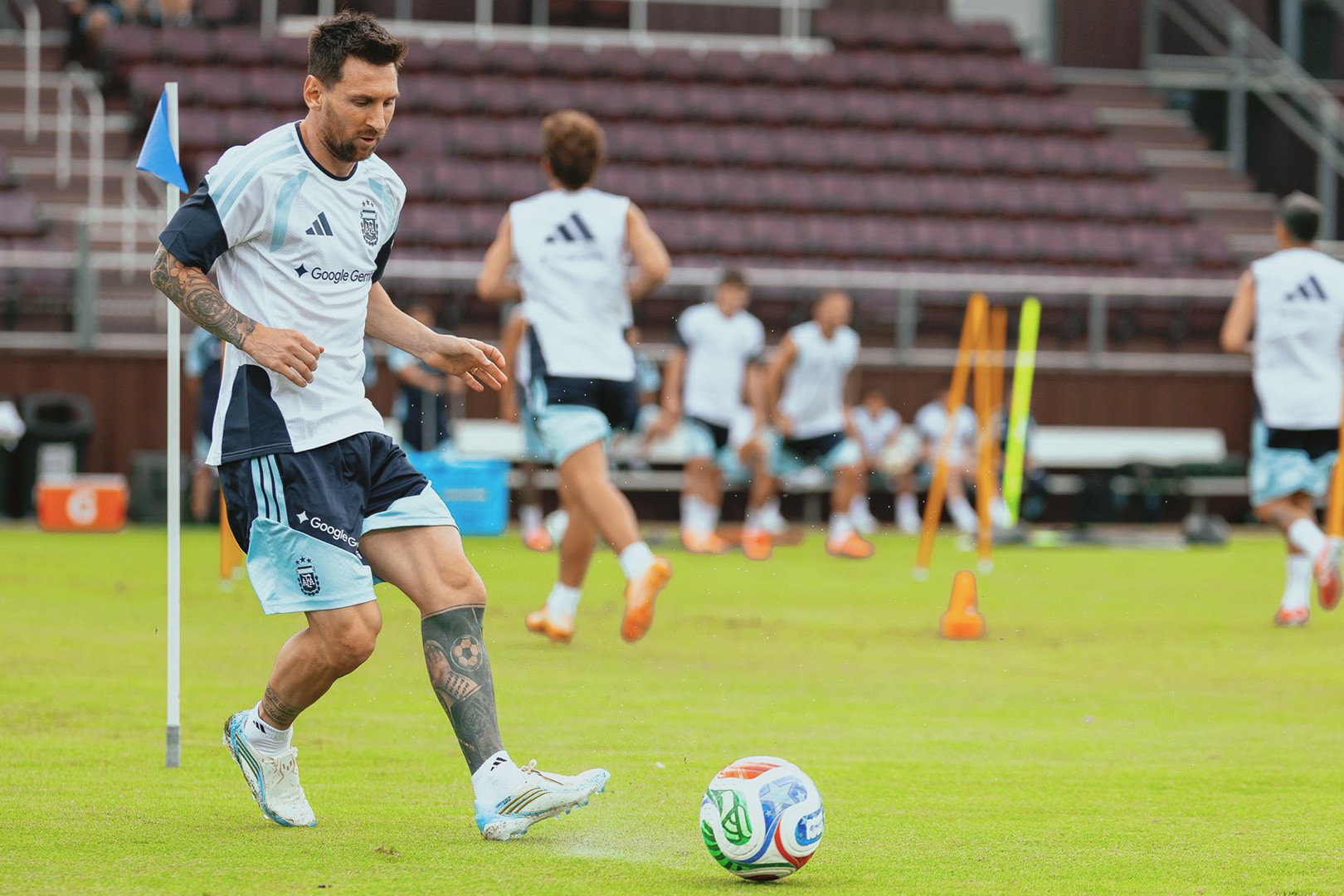
Therefore, for many years, a significant number of Argentinians felt that Messi was more of a football genius than a reflection of themselves.
The gold trophy in Qatar changed a lot, but it may not have completely changed that feeling.
Therefore, the 2026 World Cup may not help Messi surpass Maradona in the hearts of all Argentinians.
But historically, Messi is facing an opportunity that Maradona never had.
If he wins the World Cup with Argentina one more time, he will become the first Argentinian player to have two World Cup titles.
At 39, having become accustomed to the weather and life in America, it would be the perfect ending to what is considered one of the greatest careers in football history.