



Eggs are a valuable natural source of vitamin D, but absorption depends heavily on how they are combined with other foods. Properly incorporating healthy fats into your egg diet helps your body maximize the benefits of this nutrient.
1. Eggs provide a rich natural source of vitamin D.
- 1. Eggs provide a rich natural source of vitamin D.
- 3. Foods that pair well with eggs
- 4. Does the way eggs are prepared affect their vitamin D content?
- 5. How should I eat eggs to optimize vitamin D absorption?
Vitamin D plays a crucial role in bone health, the immune system, and metabolism. However, vitamin D deficiency remains quite common, even among those with relatively adequate diets. Among natural foods, eggs are an easily accessible source of vitamin D. The majority of vitamin D is concentrated in the egg yolk. However, simply eating eggs doesn't guarantee the body absorbs all of this vitamin.
The effectiveness of vitamin D absorption depends not only on the amount consumed but also on the composition of the meal, especially fat.
2. Why is fat needed for vitamin D absorption?
Vitamin D belongs to the group of fat-soluble vitamins, along with vitamins A, E, and K. A characteristic of this group of vitamins is that they are not water-soluble and require fat to dissolve and be absorbed through the intestines.
When you eat foods containing fat, your body stimulates the secretion of bile and digestive enzymes in the small intestine. This process helps create microscopic structures (micelles), allowing vitamin D to be transported across the intestinal wall into the bloodstream. If a meal is too low in fat, this absorption process will be less efficient, resulting in some vitamin D not being used by the body.
Egg yolks already contain a certain amount of fat. However, in many cases – especially when eggs are included in a low-fat meal – adding a source of healthy fat can help increase vitamin D absorption.
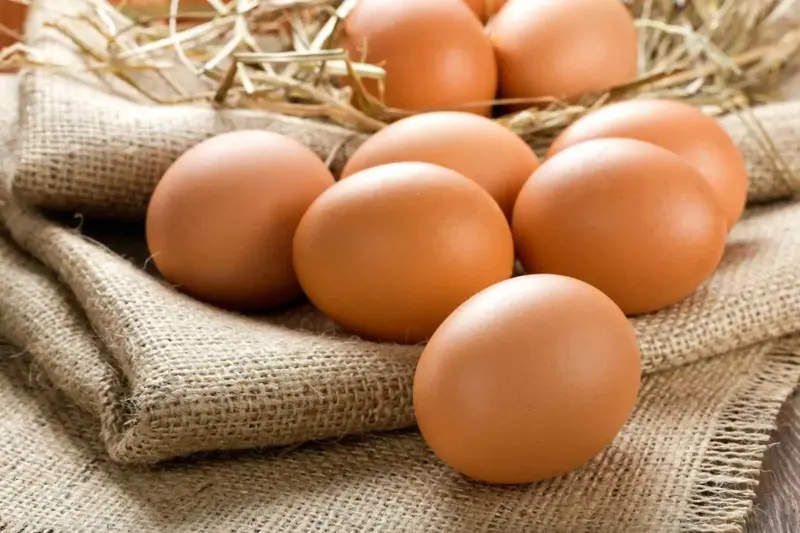
Eggs are an easily accessible source of vitamin D.
3. Foods that pair well with eggs
Choosing the right type of fat not only helps with better vitamin D absorption but also supports cardiovascular and metabolic health.
Some suitable options include:
Olive oil: Olive oil is rich in monounsaturated fats, which are beneficial for cardiovascular health. Frying eggs with a small amount of olive oil or drizzling it over vegetables is a simple way to increase vitamin D absorption.
Avocado: Avocado provides healthy fats and is also rich in fiber and potassium. Combining eggs with avocado (for example, on whole-wheat bread) helps balance nutrition and supports vitamin absorption.
Seeds and nuts: Almonds, walnuts, chia seeds, pumpkin seeds… provide polyunsaturated fats and antioxidants; they can be added to egg salads or breakfast.
Fatty fish: Fish like salmon and sardines not only provide healthy fats but also contain vitamin D. Combining them with eggs helps increase the total vitamin D intake.
Nut butter: When eaten with bread and eggs, nut butter helps supplement fat and energy, making it suitable for breakfast.
Dairy products: Cheese, yogurt, cottage cheese… provide fat and calcium. Even low-fat varieties can still support vitamin D absorption to a certain extent.
4. Does the way eggs are prepared affect their vitamin D content?
Common cooking methods such as boiling, poaching, frying, steaming, or whisking eggs generally do not significantly alter the vitamin D content in eggs. Vitamin D is quite stable at normal cooking temperatures.
However, there are some important points to consider:
- Baking at high temperatures or for extended periods can reduce some of the vitamin D content.
- Boiled or poached eggs do not add fat, so the absorption of vitamin D depends on the accompanying food.
- Fried eggs often contain added fat from oil or butter, which can be absorbed better if consumed in moderation.
This shows that it's not the cooking method that's the main determining factor, but rather whether the meal as a whole contains enough healthy fats.
5. How should I eat eggs to optimize vitamin D absorption?
The following simple principles can be applied:
5.1. Avoid eating eggs alone in a low-fat meal: If you only eat boiled eggs with boiled vegetables or dry bread, your vitamin D absorption will not be optimal.
5.2. Combine with healthy fats in moderation: A small amount of olive oil, a few slices of avocado, or a handful of nuts is enough to support absorption without causing an excessive energy boost.
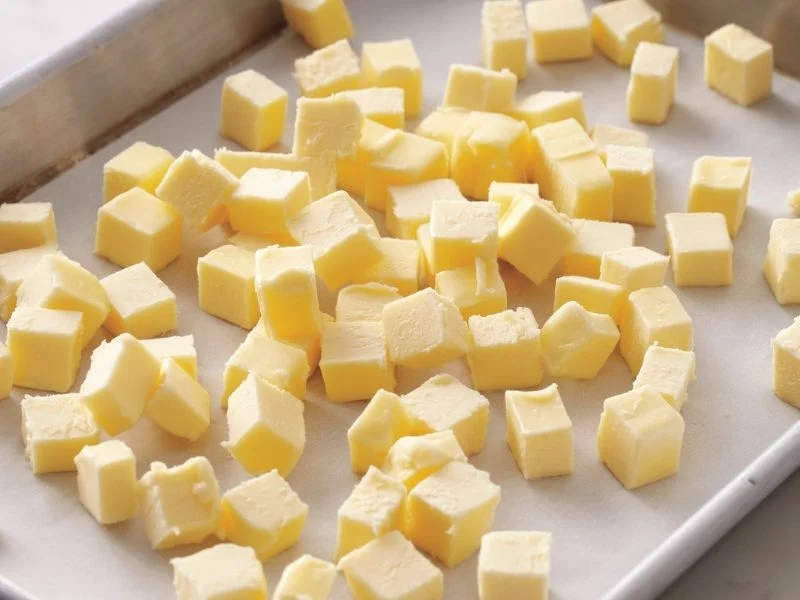
Eating eggs with a few slices of butter helps optimize vitamin D absorption.
5.3. Prioritize balanced meals: Meals should include sufficient protein (from eggs), healthy fats, and complex carbohydrates (such as whole grains).
5.4. Maintain a habit of eating a variety of foods rich in vitamin D: Don't rely entirely on eggs. Other sources such as fatty fish and vitamin D-fortified milk are also very important.
5. Combine with a healthy lifestyle: Sunlight remains the primary source of vitamin D. Diet plays only a supporting role.
Therefore, the effectiveness of vitamin D absorption does not depend on a single meal. The important thing is to maintain a balanced, varied, and nutritious diet over the long term. Regularly incorporating vitamin D-rich foods throughout the day and week will provide more sustainable benefits than focusing on just one particular food or cooking method.
Additionally, those at risk of vitamin D deficiency (elderly people, those with limited sun exposure, postpartum women, etc.) should consult a doctor for advice on appropriate supplementation.
Eggs are a highly nutritious food and a valuable natural source of vitamin D. However, to maximize vitamin D absorption from eggs, it's important to combine them with healthy fats in your diet. The cooking method isn't the main factor; rather, it's about building a balanced, varied diet that suits your body's needs. Small changes like adding a little olive oil, a few slices of avocado, or some nuts can help your body better utilize the nutrients from eggs – while also improving the overall nutritional quality of your meal.
Please watch the video for more information: