



In daily life, many people choose stevia tea as a refreshing drink, providing a natural sweetness without the need for added sugar...
Stevia (Stevia rebaudiana) has long been known as a herb with a naturally sweet taste and low energy content, making it suitable for people who need to limit refined sugar intake.
- 1. Whole-leaf stevia tea helps to cool the body and promote fluid production.
- 2. Artichoke and stevia tea supports liver and digestion.
- 3. Gynostemma pentaphyllum and stevia tea support metabolism.
- 4. Chamomile tea – stevia is calming and promotes sleep.
- 5. Ginger and stevia tea helps warm the stomach and aids digestion.
- 6. Notes on using stevia tea
According to Dr. Nguyen Quang Duong, Department of Surgery, Tue Tinh Hospital, stevia has a sweet taste and cooling properties, with effects that clear heat and generate fluids. When used in moderation, it can help patients reduce their need for refined sugar, thereby contributing to blood sugar stabilization.
However, this is not a medicine for treating diabetes, but only plays a supportive role in the diet.
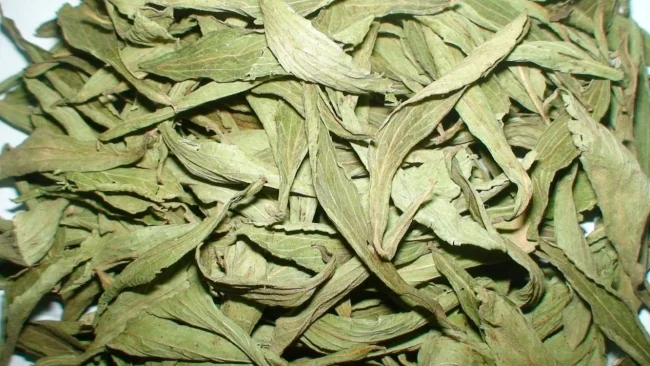
Dried stevia leaves cool the body, promote fluid production, and are suitable for people with diabetes.
Here are some popular teas that can be paired with stevia:
1. Whole-leaf stevia tea helps to cool the body and promote fluid production.
Preparation method: Steep 1–2 g of dried stevia leaves in 200–300 ml of boiling water for 5–10 minutes. The tea has a rich, sweet, and refreshing taste.
According to Traditional Chinese Medicine, stevia has a sweet taste and a cooling nature, with effects that clear heat, generate fluids, and quench thirst. However, it should not be brewed too strong as it can easily create an overly sweet taste and a feeling of fullness. Stevia leaf tea is suitable for people with diabetes, overweight individuals, or those who want to reduce their sugar intake.
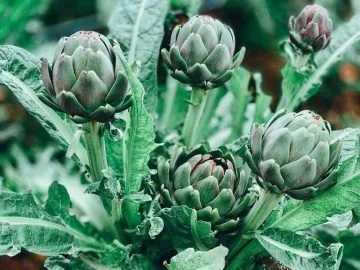
Artichokes have the effect of clearing heat, promoting bile flow, and supporting liver function.
2. Artichoke and stevia tea supports liver and digestion.
Artichoke (Cynara scolymus) has cooling and bile-promoting effects, supporting liver function. When combined with stevia, the tea has a naturally mild sweetness without the need for added sugar.
Preparation method: Steep 5–10 g of dried artichoke flowers and 1 g of stevia leaves in 400 ml of boiling water for 10–15 minutes. This tea is suitable for people with metabolic disorders, fatty liver disease, and those who frequently consume fatty foods.
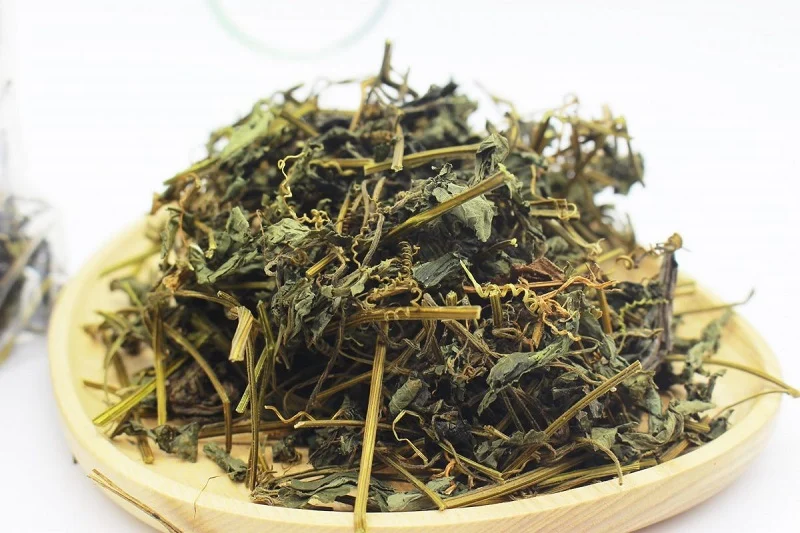
Gynostemma pentaphyllum helps treat lipid disorders.
3. Gynostemma pentaphyllum and stevia tea support metabolism.
Gynostemma pentaphyllum is commonly used to support the treatment of lipid and blood sugar disorders. The slightly bitter taste of Gynostemma pentaphyllum is balanced by the sweet and refreshing taste of stevia.
Preparation method: Steep 6–15 g of dried Gynostemma pentaphyllum and 1 g of Stevia rebaudiana in 300 ml of boiling water for 10 minutes. This tea is suitable for people with type 2 diabetes, high cholesterol, or metabolic syndrome. However, people with low blood pressure should be cautious; it should be drunk about 30 minutes after meals.
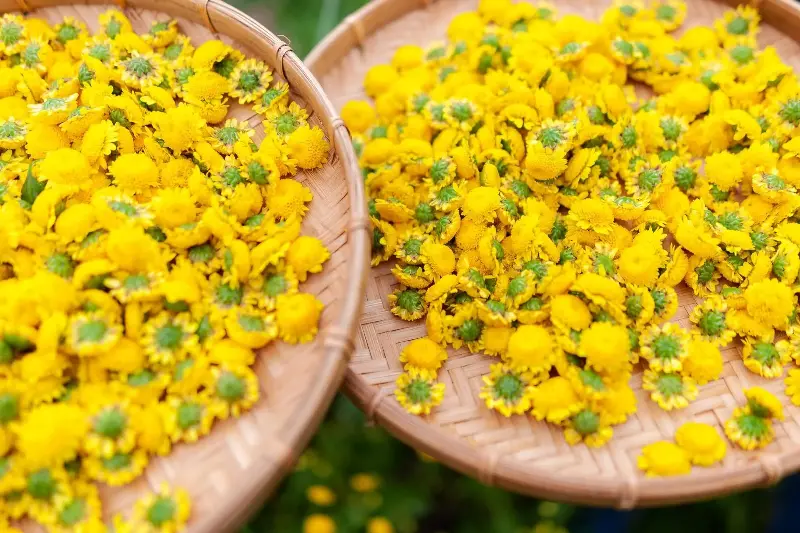
Chrysanthemums help to cool the body and promote sleep.
4. Chamomile tea – stevia is calming and promotes sleep.
Chrysanthemum (Chrysanthemum morifolium) has cooling and liver-regulating effects, and aids sleep. When combined with stevia, the tea has a mild aroma and a subtly sweet taste.
Preparation method: Steep 5–10 g of dried chrysanthemum flowers and 1 g of stevia in 300 ml of boiling water for 10 minutes. This tea is suitable for evening consumption, especially for people with diabetes who also suffer from insomnia and stress.
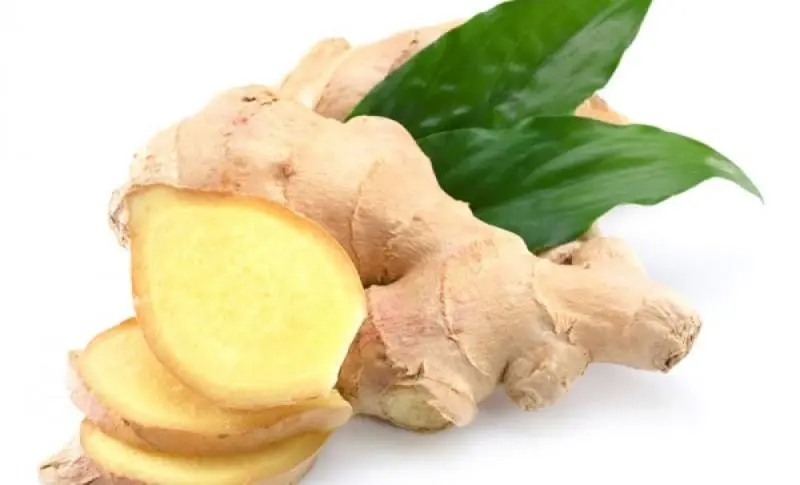
Fresh ginger helps dispel cold and aids digestion.
5. Ginger and stevia tea helps warm the stomach and aids digestion.
Ginger (Zingiber officinale) has warming properties, helps dispel cold, and aids digestion. When combined with stevia, the tea has a warm, spicy flavor blended with a subtle sweetness.
Preparation: Steep 3-4 slices of fresh ginger and 1 gram of stevia in 250 ml of boiling water. Ginger tea is suitable for people who often experience stomach chills and bloating. It should not be consumed in large quantities if you have active stomach ulcers or high blood pressure.
6. Notes on using stevia tea
• Avoid overuse: Although it's an herbal remedy, stevia should still be used in moderation.
• Monitor blood glucose: People being treated with blood sugar-lowering medication should check their blood glucose levels when changing their diet.
• Read the ingredients carefully: Avoid "stevia tea" products that have added sugar.
• Not a substitute for medication: Tea only plays a supportive role.
In summary, stevia tea offers a natural sweetness, allowing those needing to control their blood sugar to enjoy a light and refreshing beverage without relying on refined sugar. When used correctly, in combination with other herbs, and in conjunction with a healthy lifestyle, stevia tea can be a useful part of a daily health regimen. However, it should not completely replace water.
For patients taking blood sugar-lowering medication or insulin, changes in diet – including switching to stevia – still require regular blood sugar monitoring to avoid hypoglycemia. The most important thing remains overall management: a balanced diet, reasonable exercise, sufficient sleep, and adherence to treatment. Stevia may be a safer alternative to sweeteners, but it cannot replace medication and should not be overused.
See more trending articles: