


It's not uncommon to see photos of tourists checking in at Mount Fuji, Shibuya Crossing, or Arashiyama Bamboo Forest during Japan's peak tourist season. For many Vietnamese travelers, their first trip to the land of cherry blossoms is almost always associated with the "Golden Route" encompassing Tokyo, Kyoto, and Osaka.
However, as the number of Vietnamese tourists continues to set new records, Japan not only wants to welcome more visitors, but also wants to change the way they explore the country, shifting from familiar destinations to lesser-known, culturally rich regions.
Great potential
At the Japan Tourism Promotion Conference in Hanoi on July 28th, the Japan National Tourism Organization (JNTO) announced that in 2025, 678,500 Vietnamese tourists will visit Japan, a 109.2% increase compared to the previous year and marking the third consecutive year of record-breaking numbers.
In just the first six months of this year, the number reached 396,500, an 8.7% increase compared to the same period last year, making Vietnam Japan's ninth largest tourist market and the third largest in Southeast Asia.
Along with the increase in visitor numbers, the spending of Vietnamese tourists is also continuously improving. In 2025, total spending by Vietnamese tourists is projected to reach 204 billion yen, ranking 11th among international markets, a significant increase compared to 136.4 billion yen in 2024. Cosmetics, fashion , household goods, health supplements, and watches remain popular product categories among Vietnamese visitors to Japan.
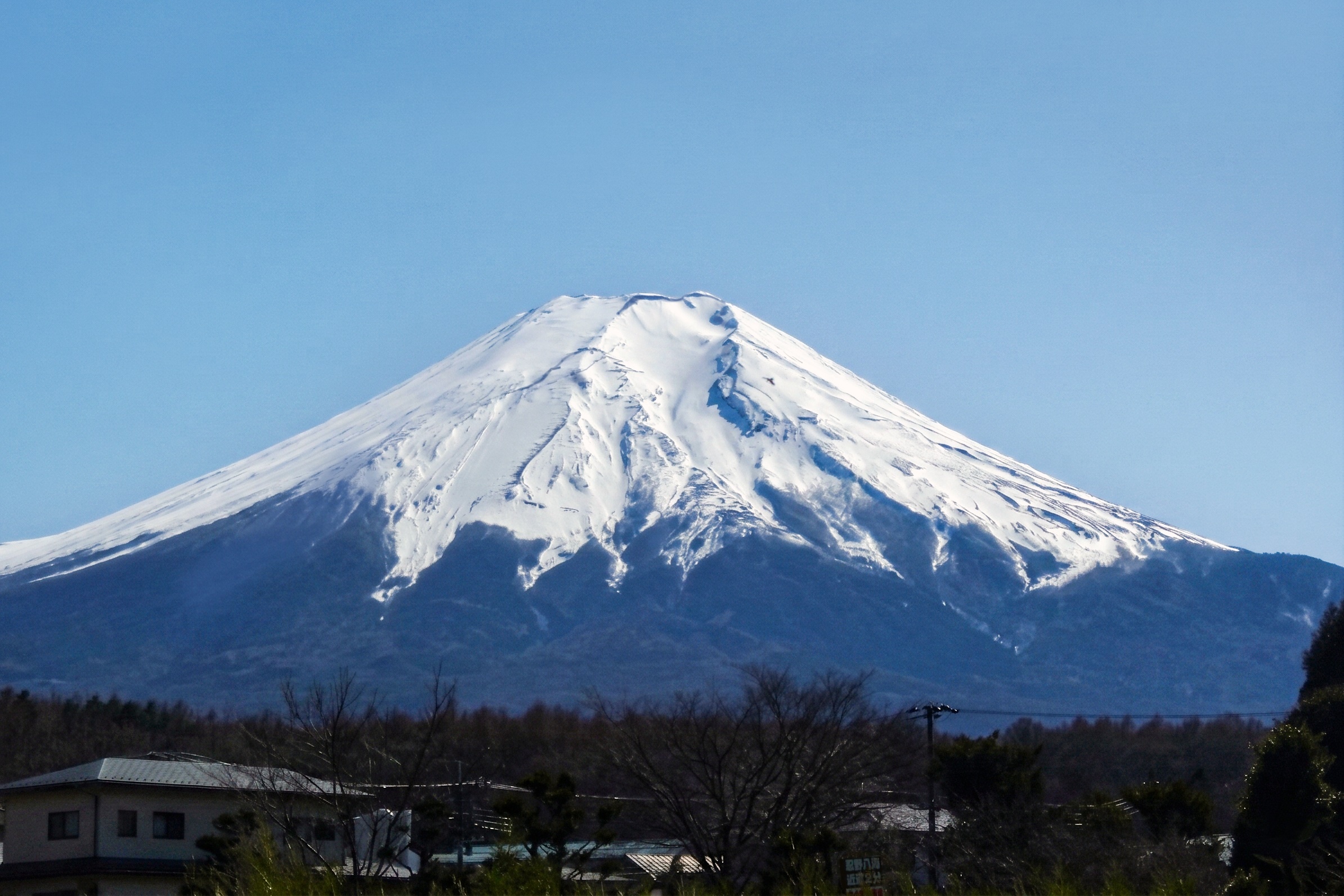
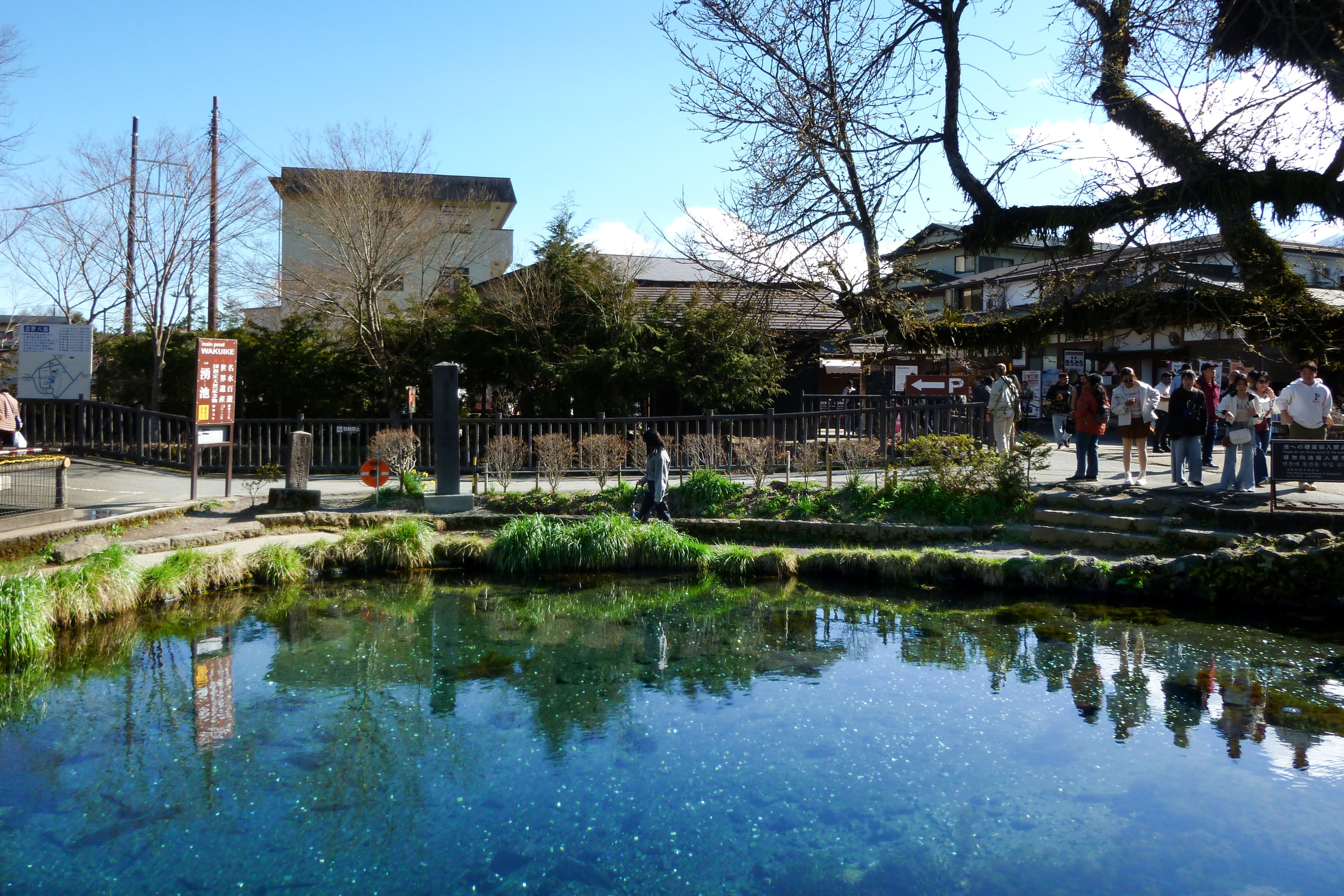
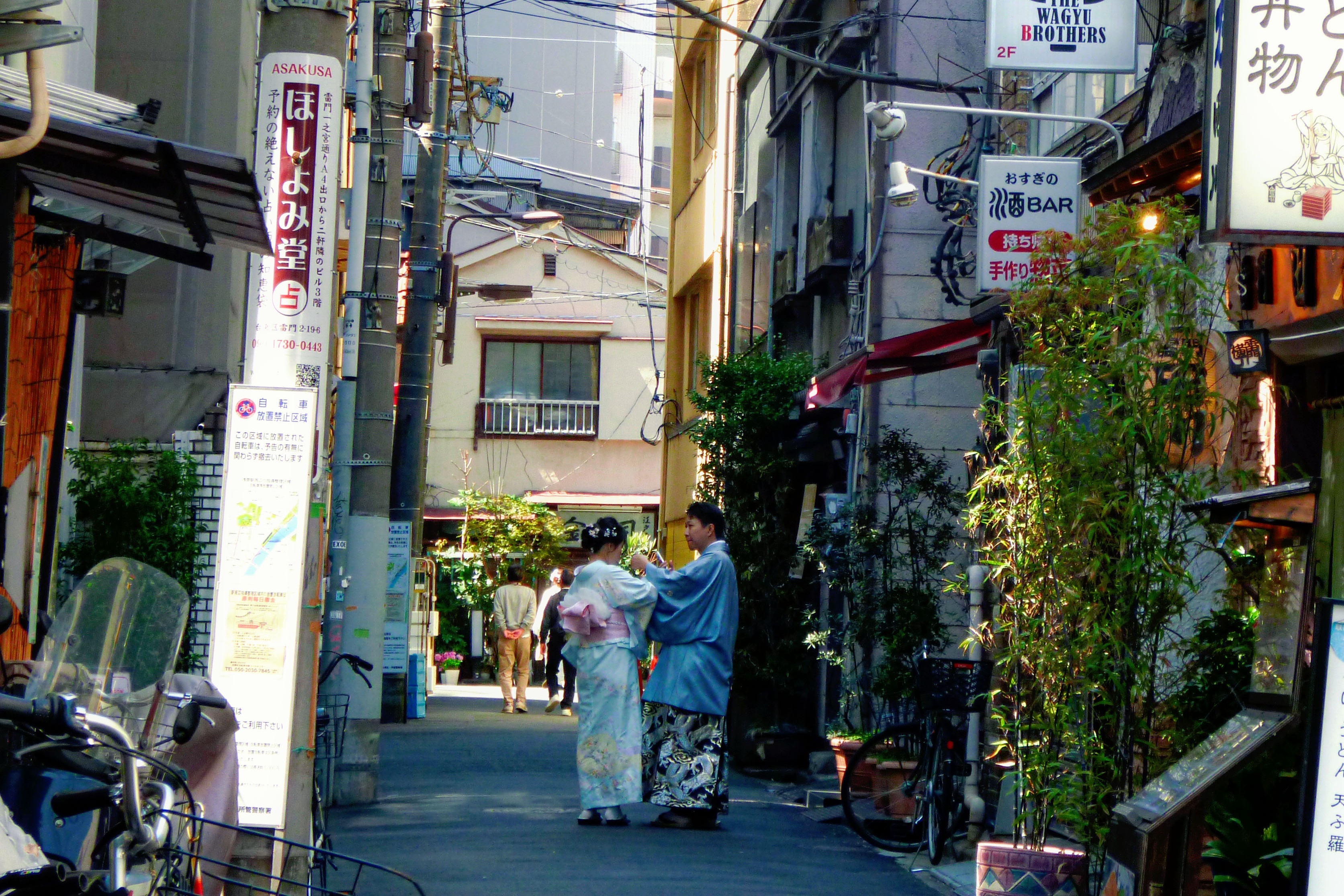
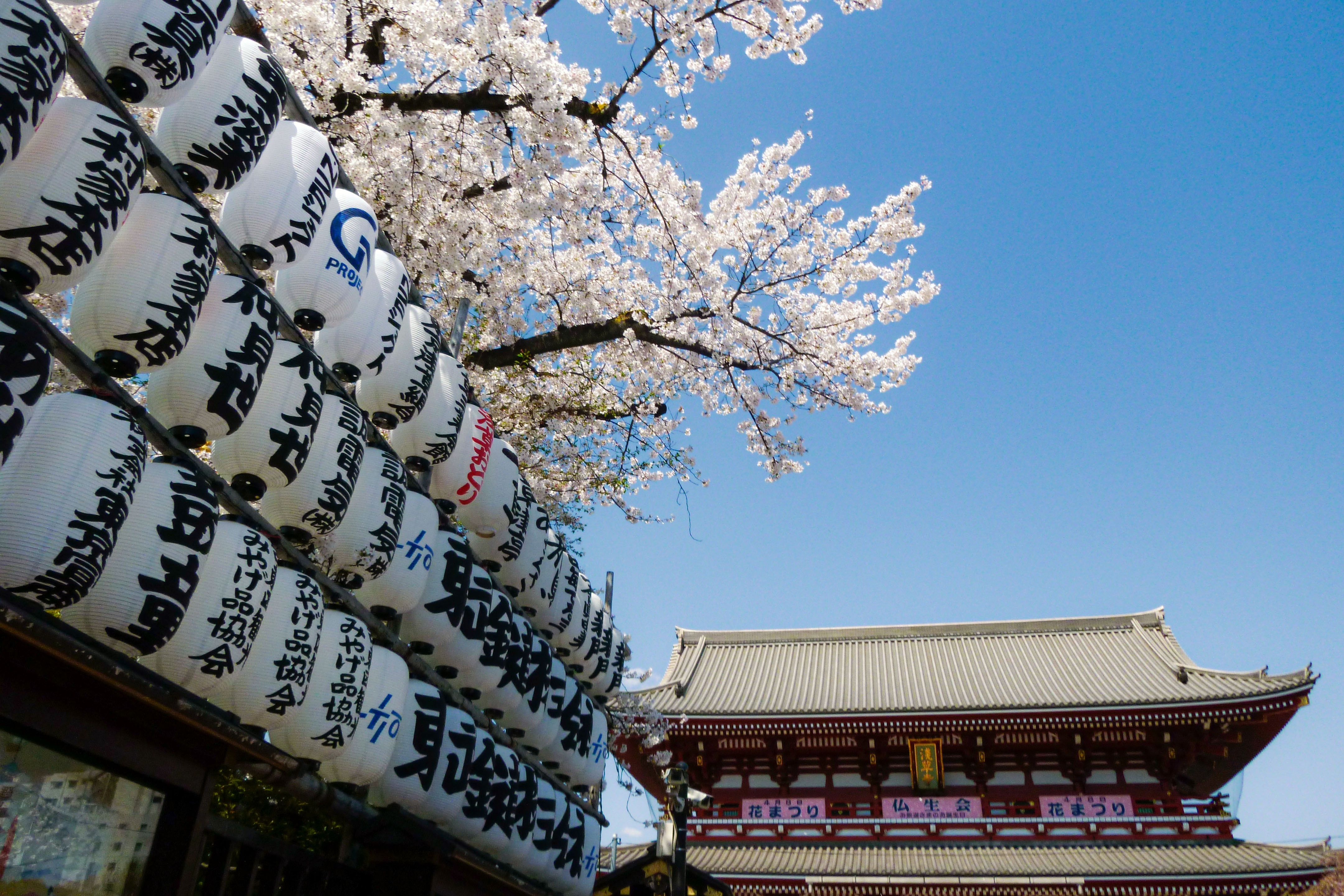
Vietnamese tourists arrive in Japan in early April. Photo: Cao Thien Kim.
However, JNTO believes that the above figures do not fully reflect the potential of the Vietnamese market. According to their statistics, in 2024, only about 31.09% of Vietnamese visitors to Japan came for tourism purposes, while the majority came for business, study, visiting relatives, or other purposes.
In 2025, the number of purely tourist arrivals is expected to reach over 193,000, a significant increase compared to pre-pandemic levels, but still representing a modest proportion of the total number of visitors.
| NUMBER OF VIETNAMESE TOURISTS TO JAPAN FROM 2019-2025 | ||||||||
| Source: Japan National Tourism Organization (JNTO) | ||||||||
| Label | 2019 | 2020 (Covid-19) | 2021 (Covid-19) | 2022 | 2023 | 2024 | 2025 | |
| Number of visitors | Thousand views | 495 | 0 | 0 | 284 | 536 | 620 | 680 |
That is why the JNTO office in Vietnam has identified three key priorities for 2026: increasing the number of first-time visitors to Japan and the number of tourists; promoting local sightseeing and accommodation; and stimulating tourism to Japan during the off-season.
"About 80% of Vietnamese tourists visiting Japan are first-time visitors, so the 'Golden Route' remains a popular choice. These are all iconic destinations in Japan. However, our country has many other attractive places. The issue isn't the appeal of these places, but rather that they are not yet widely known," said Ms. Matsumoto, Chief Representative of the JNTO Office in Vietnam.
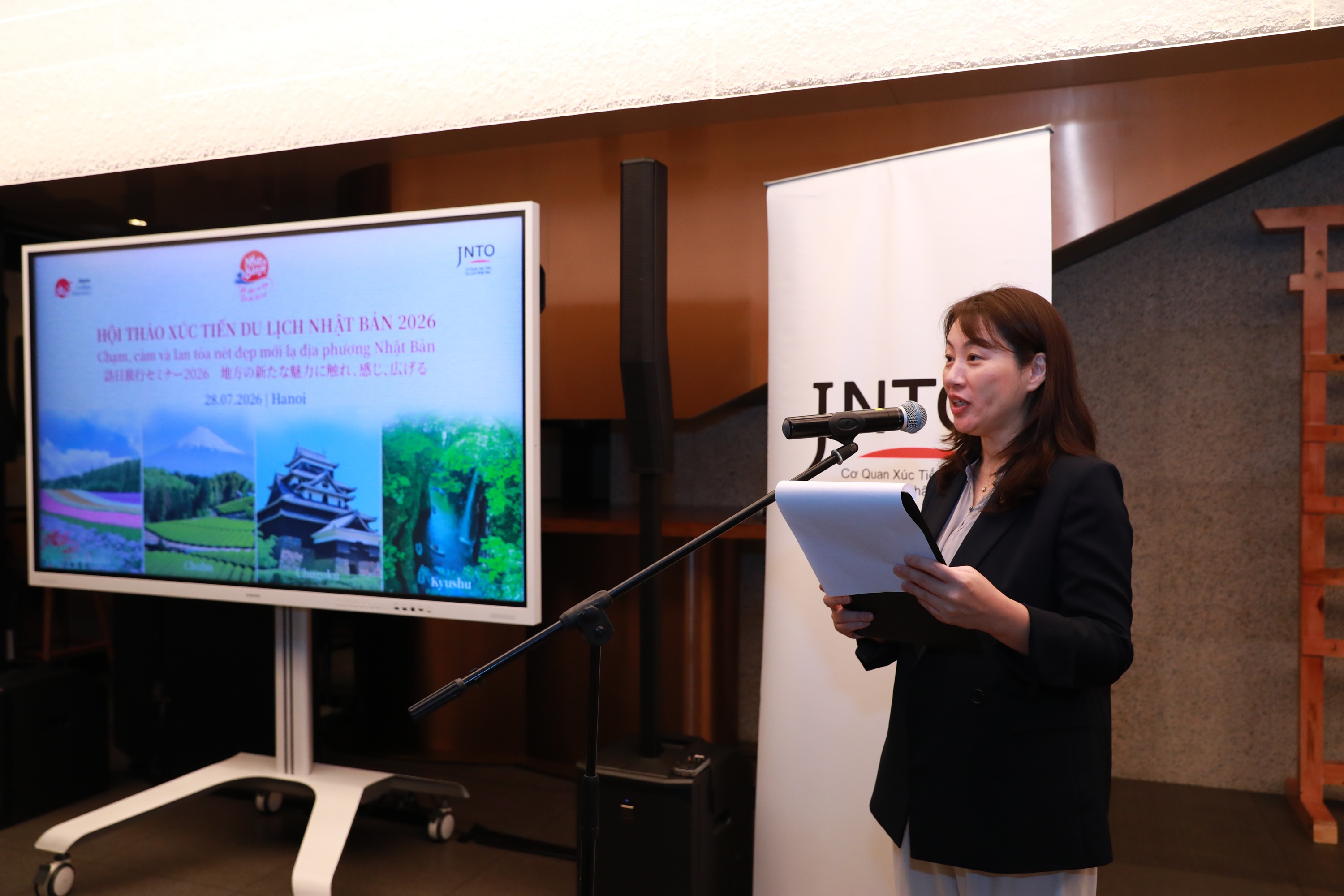
Ms. Matsumoto, Chief Representative of the JNTO Office in Vietnam. Photo: JNTO.
According to her, JNTO's survey shows that scenery, cuisine , and festivals remain the most attractive factors for Vietnamese tourists. After Covid-19, wellness experiences such as onsen (hot springs), relaxation, and exploring local culture have also become increasingly popular. This provides a basis for Japan to develop more tourism products outside the "Golden Route," while also distributing tourists to more regions.
A different Japan beyond the "Golden Route"
Statistics for 2025 show that Tokyo, Osaka, Aichi, and Kyoto continue to be the destinations receiving the most Vietnamese tourists. However, JNTO also noted a new trend: the number of visitors to prefectures such as Gifu, Hokkaido, Nagano, Fukushima, and Shimane is increasing.
According to Ms. Matsumoto, many tourists, after their first trip, begin seeking different experiences, spending more time with nature, culture, and local life instead of just visiting famous landmarks.
"Currently, the international tourism environment is being affected by many unpredictable factors such as changes in visa policies, tax policies, escalating prices, and fluctuations in the global situation. Despite this, Japan continues to receive great interest from Vietnamese tourists. We are truly grateful for that," she said.
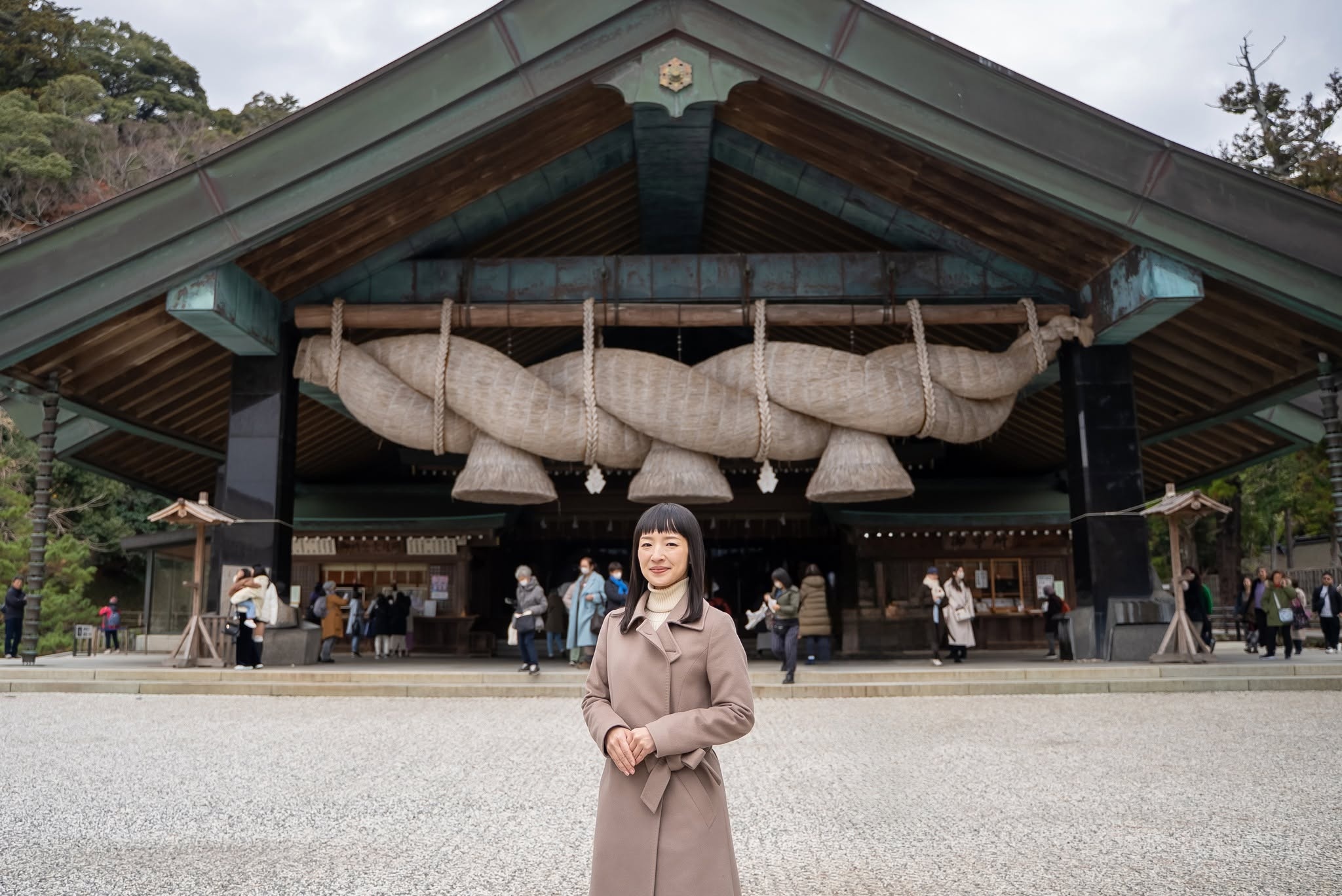
Marie Kondo, a Japanese author and interior design consultant, poses for a photo in front of Izumo Taisha Shrine in Shimane Prefecture, Japan. Photo: Marie Kondo.
At the tourism promotion program in Hanoi, JNTO, together with local authorities, focused on introducing destinations that are outside of traditional tourist routes.
Shimane , in particular, is known as the land of Japanese mythology, home to Izumo Taisha Shrine, one of the oldest and most sacred Shinto shrines in the country. Visitors can also watch the traditional Iwami Kagura dance, relax in hot springs, and enjoy sake and seasonal seafood along the Japanese coast.
Representatives from Shimane Prefecture stated that the prefecture hopes to become a preferred choice for tourists seeking to explore the depth of Japanese culture and history, rather than simply visiting major cities.
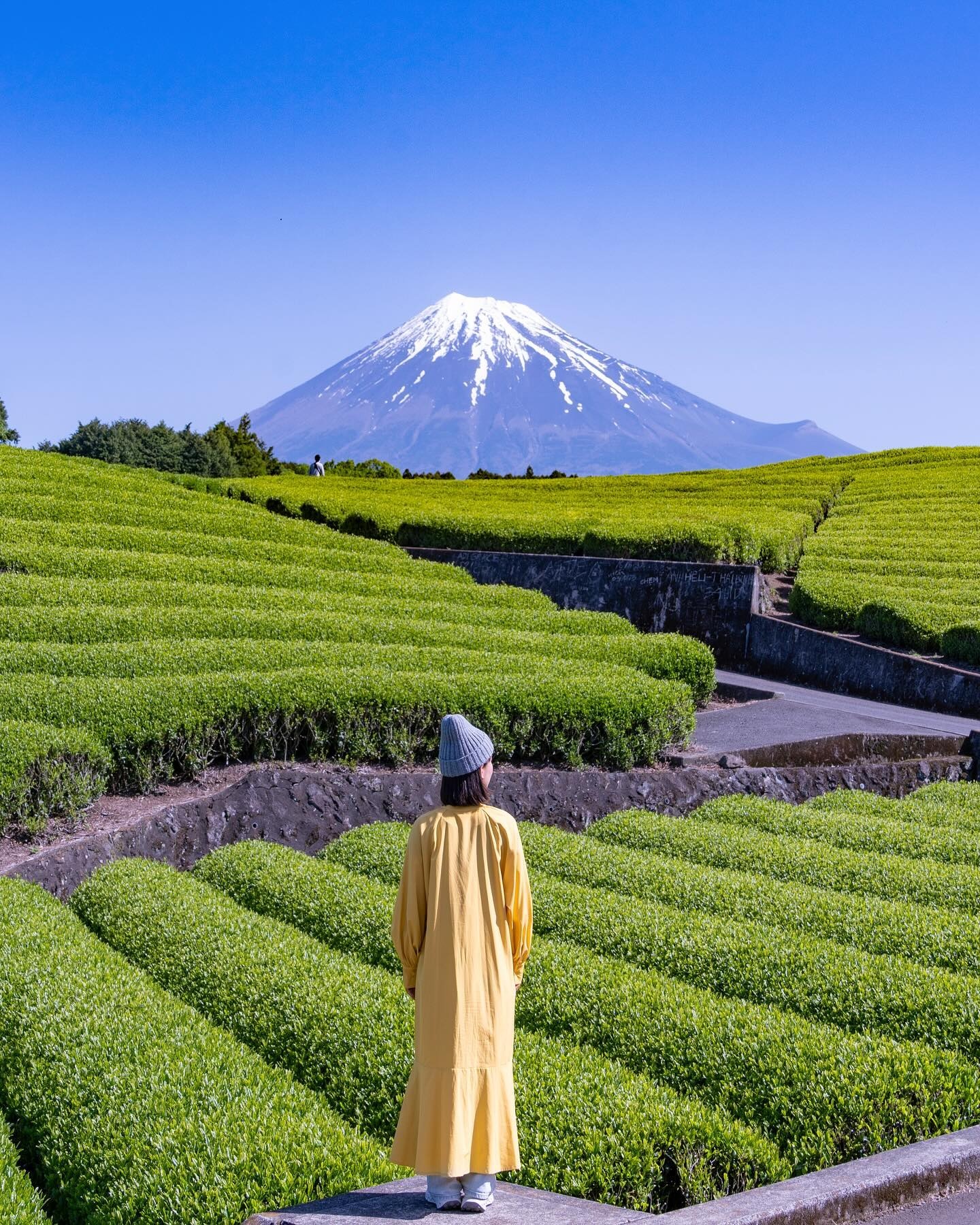
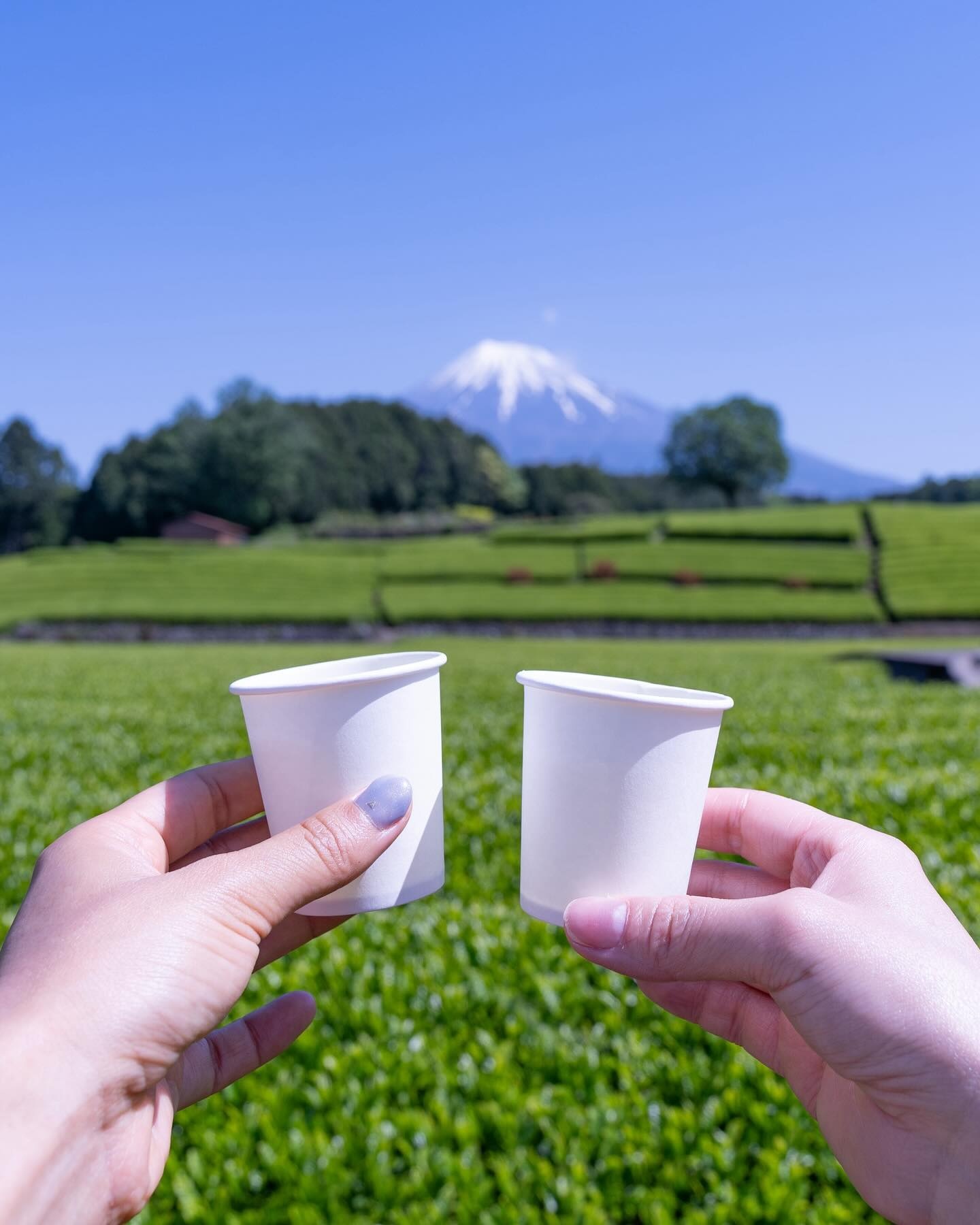
The Obuchi Sasaba tea plantation, with its view of Mount Fuji, is a popular scenic spot in Shizuoka. Photo: @shiho_zekkei.
Another recommended destination is Shizuoka , home to many famous viewpoints of Mount Fuji. The region offers activities such as tea-picking and tasting experiences on tea hills, meeting local farmers, exploring Japanese tea culture, and relaxing amidst nature.
According to representatives from Shizuoka Prefecture, the direct flight route between Hanoi and Shizuoka, which began operating in April, will make it more convenient for Vietnamese tourists to access this destination.
The shift in JNTO's promotional strategy also reflects new market trends. As more and more Vietnamese people return to Japan for a second or third time, the demand is no longer limited to visiting famous landmarks, but rather to exploring Japan in a deeper, slower pace and closer to local life.
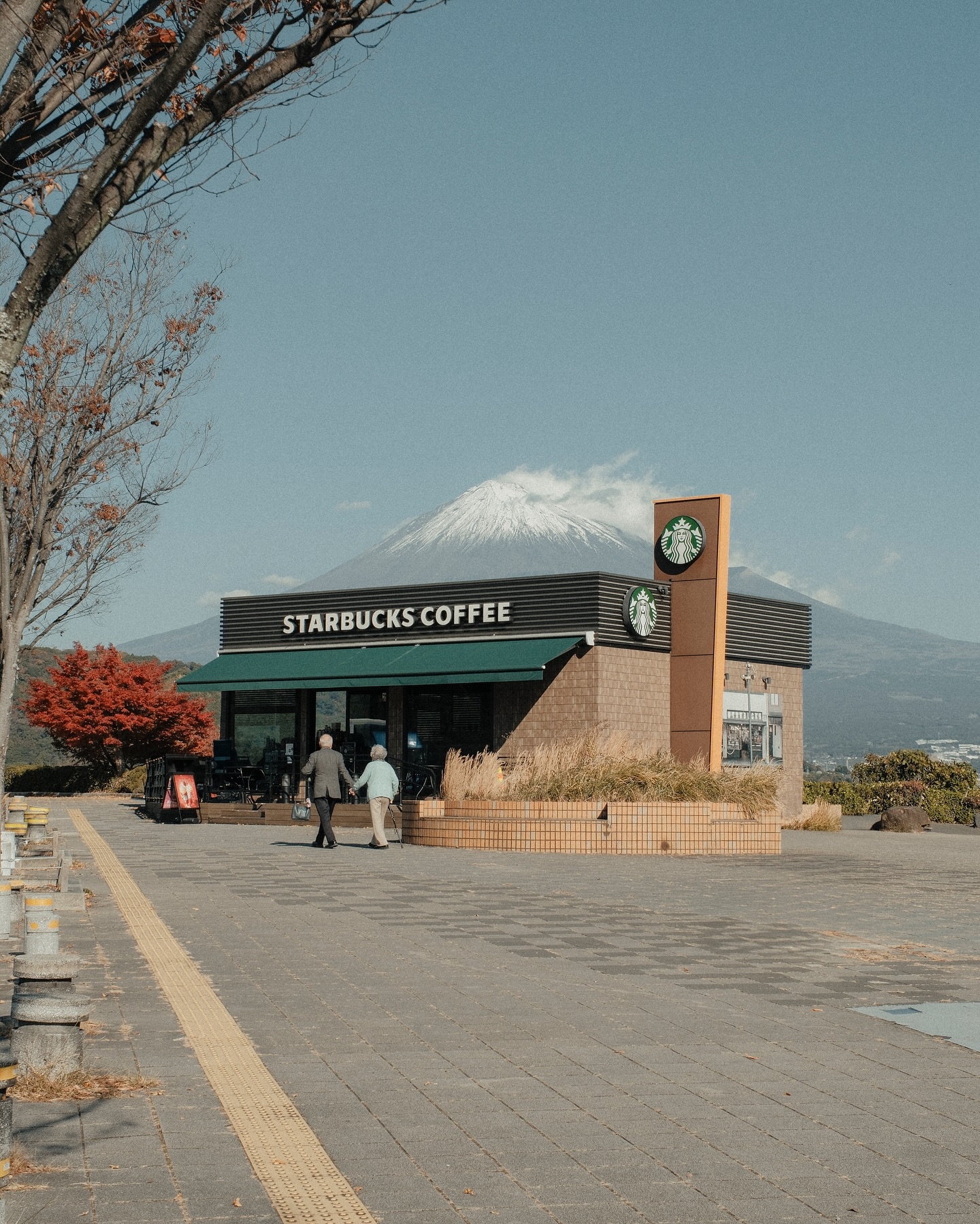
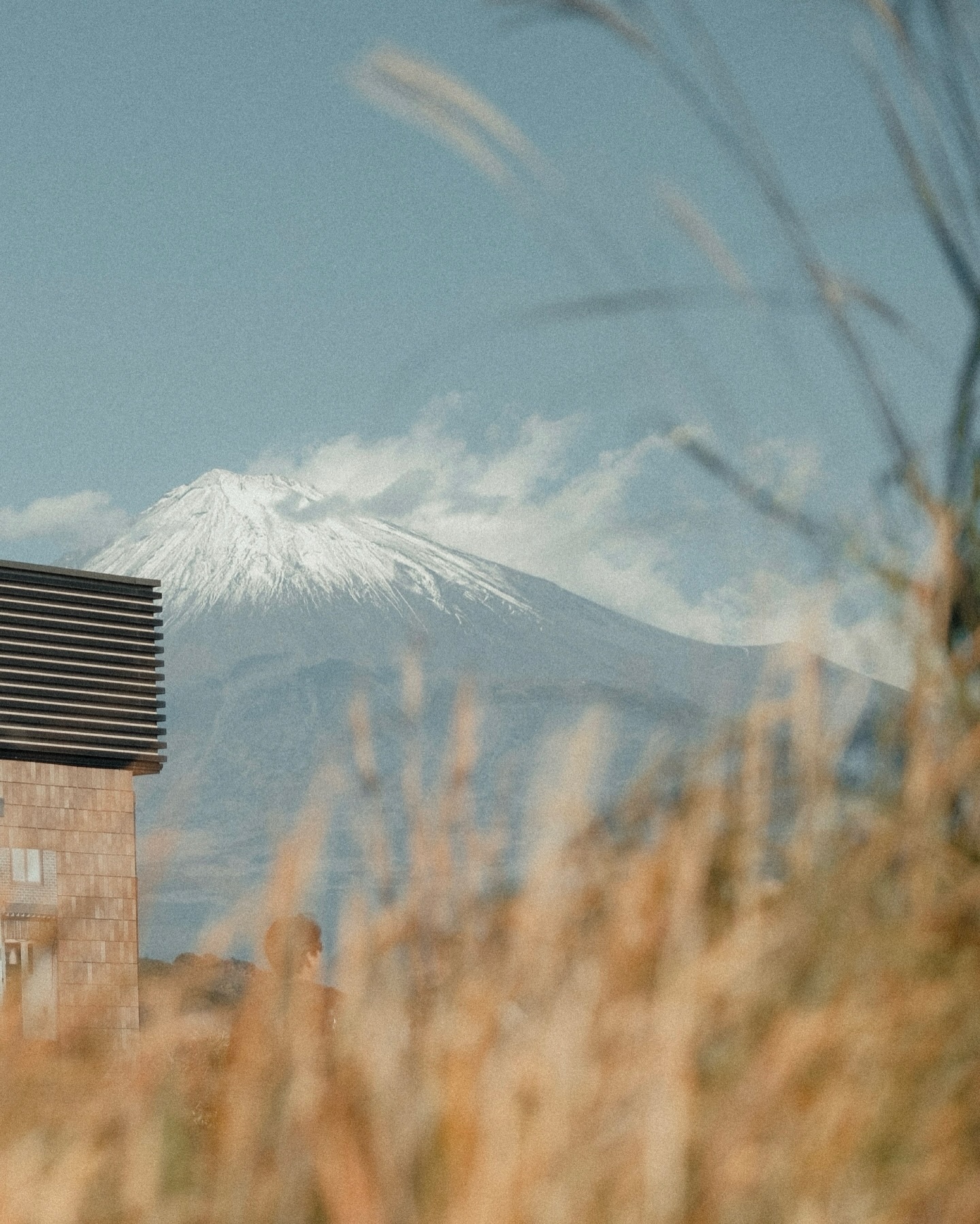
The Starbucks coffee shop with Mount Fuji in the background is also a popular check-in spot in Shizuoka Prefecture. Photo: @t_yaosheng.
After years of attracting tourists with cherry blossoms, Mount Fuji, and bustling city streets, Japan now wants to tell other stories about lesser-known but culturally rich regions. And perhaps, it is these journeys away from the "Golden Route" that will be the reason why Vietnamese tourists will return to the Land of the Rising Sun many times over.