


Singapore to adjust electricity and gas prices upwards in Q3 2026
According to the Energy Market Authority (EMA) of Singapore, households in Singapore will face significantly higher electricity and gas prices between July 1st and September 30th, 2026. Specifically, residential electricity prices will increase by 17%, while municipal gas prices will rise by 7.1% compared to the previous quarter. The EMA stated that this adjustment reflects the increased cost of importing natural gas, primarily due to conflicts in the Middle East disrupting global energy markets.
According to the regulated tariff, the price of electricity for residential use increased by 4.64 cents/kWh, to 31.91 cents/kWh before tax, equivalent to 34.78 cents/kWh after tax. For a household living in a four-room HDB apartment, the average monthly electricity bill is expected to increase by approximately SGD 17.14 before tax.
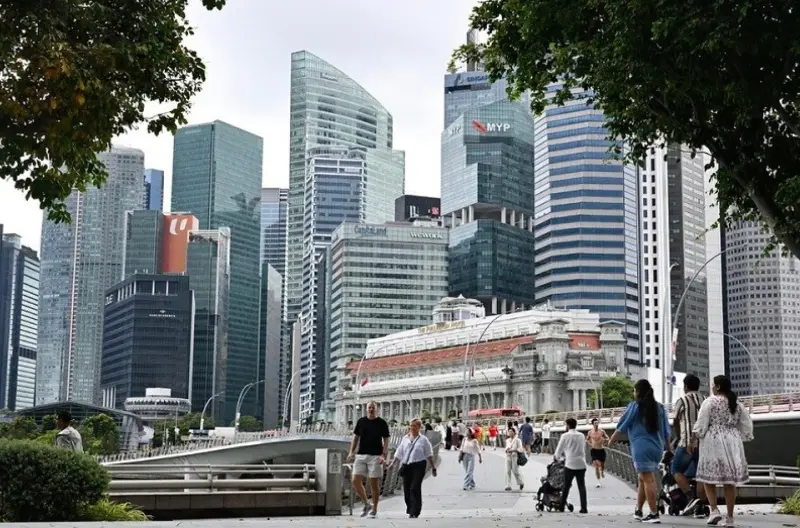
Rising energy costs are expected to cause a significant increase in electricity bills for Singaporean households in the third quarter of 2026. (Photo: The Straits Times)
Data from Singapore Energy Group (SP Group) shows that the average electricity bill for this group of households could increase from approximately SGD 100.74/month to SGD 117.88/month between July and September 2026.
For municipal natural gas, City Energy also announced a new price for household customers of 23.48 cents/kWh before tax, equivalent to 25.59 cents/kWh after tax, applicable from July 1st to September 30th, 2026. This price is up from 21.92 cents/kWh in the previous quarter, representing an increase of 1.56 cents/kWh, or 7.1%.
According to EMA, electricity tariffs in Singapore are adjusted quarterly, based on the average natural gas price during the first 2.5 months of the previous quarter. Therefore, the impact of the fuel price increase from the end of February, which remained high from April to mid-June 2026, is only now being clearly reflected in people's electricity bills.
The underlying reason is that Singapore is heavily reliant on imported natural gas for electricity generation. Approximately 95% of the island nation's electricity production comes from natural gas. Therefore, when international oil and gas prices rise, the cost of domestic electricity generation is affected almost immediately.
Fixed-rate electricity bills in Singapore have increased by as much as 11.3% in just weeks since the conflict in the Middle East escalated. The Singaporean government has also warned that the impact of the situation in the Middle East will not be limited to electricity bills but could also spread to transportation costs, food, and manufacturing and business operations, thereby putting further pressure on the cost of living.
The government supports the people.
Given the rising electricity prices, many households in Singapore are increasingly considering fixed-price electricity packages to mitigate the risks of future price fluctuations.
According to The Straits Times, the percentage of households using fixed-price electricity packages increased from 36.6% to 37.1% between February 1st and June 1st, 2026. Meanwhile, the percentage of households purchasing electricity directly from SP Group under the regulated tariff decreased from 63.4% to 62.8%. Several electricity retailers also reported an increase in new customer subscriptions amid consumer concerns about potential continued price fluctuations.
To mitigate the impact on residents, Singapore's Ministry of Finance announced that over 1 million households living in HDB apartments will receive government support in July 2026 through the U-Save and S&CC programs, which are part of the regular GST Voucher package.
Eligible households will receive up to S$190 in U-Save support, equivalent to double the usual quarterly support, and will also be exempt from up to one month of community service and maintenance fees through the S&CC program, depending on the type of apartment. The support will be automatically credited to the utility account at SP Services and the S&CC account at the town council without requiring any application.
The upcoming electricity and gas price adjustments between July and September 2026 further demonstrate Singapore's sensitivity to global energy market fluctuations. Although the Singaporean government has implemented support packages such as U-Save and S&CC to alleviate the financial burden on residents, households may still feel the pressure of increased spending in the coming months. Given the ongoing uncertainty in the Middle East, if fuel prices remain high, the pressure on the cost of living in Singapore is likely to persist.
| The Vietnam Trade Office in Singapore believes that, with increasing spending and ongoing uncertainties in the global supply chain, industrial and consumer costs in Singapore are projected to continue rising, directly impacting shopping and consumption habits in the market. Therefore, Vietnamese businesses need to proactively develop appropriate pricing strategies and enhance their adaptability to market developments to maintain competitiveness and effectively capitalize on opportunities in Singapore. |