


Nutrient deficiencies can lead to fatigue, weakened immunity, and reduced muscle strength. In addition, many vital bodily functions are affected, according to the UK health website Medical News Today .
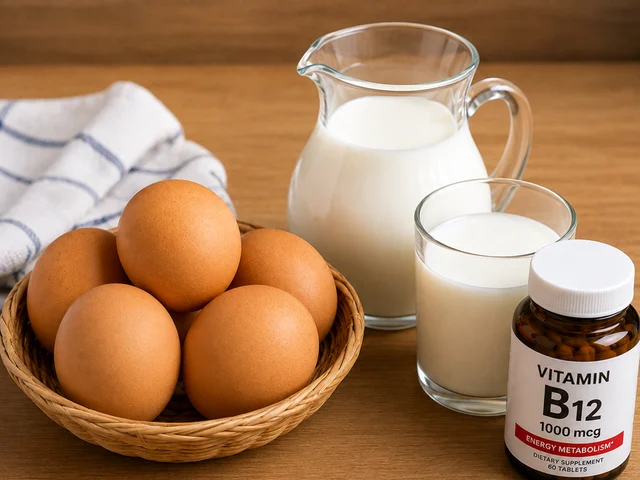
Vegetarians can supplement their vitamin B12 intake by eating eggs, drinking milk, or taking supplements.
ILLUSTRATIVE IMAGE: Created by N.Quý from ChatGPT
The American Academy of Nutrition and Dietetics (AND) states that a completely vegetarian diet can provide sufficient nutritional needs at all stages of life. However, this diet requires careful planning and supplementation with micronutrients when necessary.
The body can be weakened if a vegetarian diet lacks the following nutrients:
Vitamin B12: Commonly deficient in strict vegetarians.
Vitamin B12 is one of the nutrients that vegetarians need to pay the most attention to. This is because vitamin B12 is found almost exclusively in foods of animal origin such as meat, fish, eggs, milk, and seafood.
Strict vegetarians who avoid all animal products are at a higher risk of vitamin B12 deficiency. Vitamin B12 plays a crucial role in red blood cell production, maintaining normal nervous system function, and DNA synthesis.
When the body lacks this nutrient, patients often experience fatigue, dizziness, reduced concentration, anemia, or numbness in the limbs due to nerve damage. An article published in the Journal of Clinical Medicine states that neurological symptoms due to vitamin B12 deficiency may be irreversible if the condition is not diagnosed and treated promptly.
Even vegetarians who consume dairy and eggs may not get enough vitamin B12, especially if they absorb it in small amounts. Therefore, a good approach is to take supplements or consume foods fortified with vitamin B12, such as plant-based milk, breakfast cereals, or nutritional yeast.
Iron: Still deficient despite eating iron-rich vegetables.
Eating lots of iron-rich vegetables doesn't guarantee sufficient iron intake. The iron in plants is primarily non-heme iron, which is absorbed much less readily than heme iron found in red meat, fish, and poultry. Furthermore, legumes and whole grains contain phytate, a compound that can hinder iron absorption.
Therefore, even if a diet seems rich in iron-containing plants, the body may not absorb enough. When iron is deficient, patients are prone to anemia, fatigue, dizziness, pale skin, reduced concentration, and rapid exhaustion during work or exercise.
To improve iron absorption, combine iron-rich foods such as lentils, soybeans, kidney beans, pumpkin seeds, sesame seeds, or dark leafy greens with foods rich in vitamin C such as oranges, tangerines, guavas, kiwis, or bell peppers. If necessary, iron supplements can be used.
Zinc deficiency can lead to weakened immunity.
Zinc is a mineral involved in hundreds of biological reactions in the body. It is essential for the immune system, wound healing, protein synthesis, and maintaining healthy skin and hair.
Vegetarians can still get zinc from legumes, nuts, whole grains, and dried seeds. However, similar to iron, the absorption of zinc from plant sources is reduced due to the effects of phytate. This makes some vegetarians more susceptible to zinc deficiency.
Zinc deficiency can make the body more susceptible to infections, cause slow wound healing, reduce taste sensation, lead to loss of appetite, or cause excessive hair loss. To reduce the risk of zinc deficiency, vegetarians should regularly vary their food sources, incorporating a variety of beans, cashews, pumpkin seeds, oats, and soybeans, according to Medical News Today .