



Choosing the right time of day to drink herbal tea will help maximize its benefits while minimizing its impact on daily life.
1. Benefits of herbal tea
Herbal teas are infusions made from the flowers, leaves, roots, or seeds of medicinal plants, not from the tea plant ( Camellia sinensis ). Therefore, they are caffeine-free and do not contain L-theanine – a compound commonly found in green or black tea.
The relaxing effects of herbal tea mainly stem from three mechanisms:
- Rehydrate your body: Mild dehydration can increase fatigue, reduce concentration, and increase stress response. Drinking herbal tea helps maintain adequate hydration, thereby supporting physiological regulation and reducing the burden on the nervous system.
- Biological effects of medicinal herbs: Some herbs contain compounds that can affect the central nervous system in a way that promotes mild sedation, reduces anxiety, or improves sleep quality. For example, flavonoids in chamomile can interact with GABA receptors – neurotransmitters associated with relaxation.
- Behavioral and psychological factors: Taking a break to make and drink tea creates a short pause, reducing stimulation from work or electronic devices. This is an important factor in stress management.
Therefore, herbal teas can aid relaxation, but they are not a substitute for medical treatment in cases of anxiety disorders or chronic insomnia.
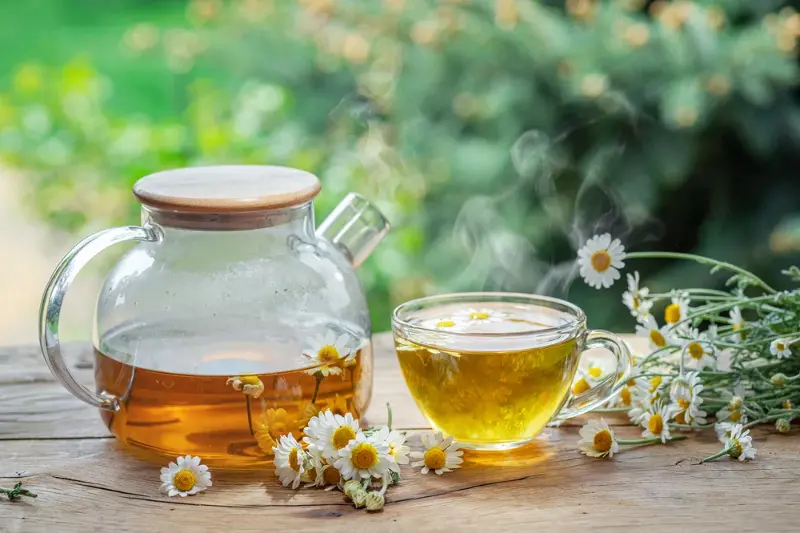
Chamomile tea can help reduce mild anxiety symptoms.
2. The best time to drink herbal tea for optimal results.
2.1. Drink herbal tea 1–2 hours before going to bed.
This is the time recommended by many experts if the goal is to improve sleep. Because it contains no caffeine, herbal tea does not stimulate the nervous system, so drinking it about 60-120 minutes before bedtime will:
- Allow your body to gradually relax before going to sleep.
- Avoid waking up in the middle of the night due to the need to urinate.
Several recent studies continue to note that herbs such as chamomile, passionflower, or lavender may help improve sleep quality to a mild to moderate degree, especially in people experiencing psychological stress. However, effectiveness varies from person to person.
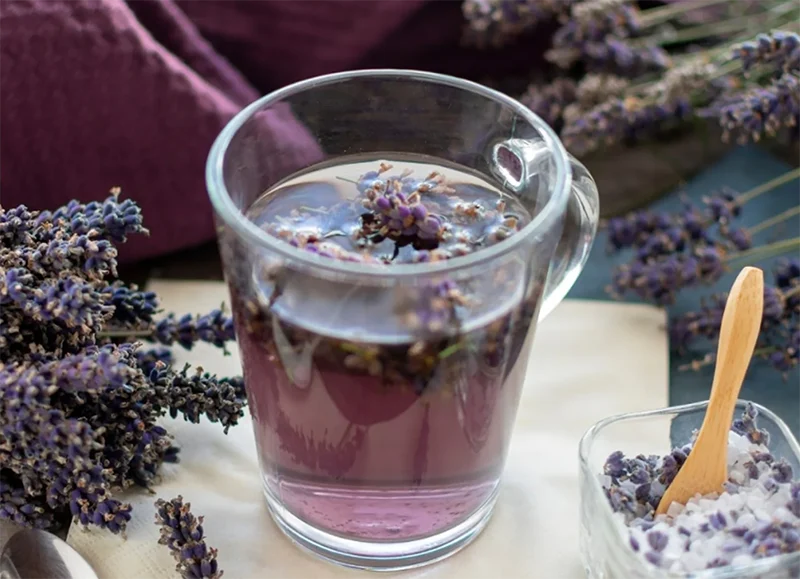
Lavender tea helps you relax.
2.2. Drink herbal tea in the morning, replacing caffeinated beverages.
Many people have a habit of drinking coffee or black tea in the morning. For those sensitive to caffeine, this can increase heart rate, cause restlessness, or anxiety. Replacing it with caffeine-free herbal tea may:
- Reduces the risk of overstimulation of the nervous system.
- Maintaining a stable state of alertness is better for people prone to anxiety.
- Minimize disruption to your sleep at night.
However, for those who need a high level of alertness for work, herbal tea does not have a stimulating effect and therefore cannot completely replace coffee if the goal is to quickly increase concentration.
2. 3. During or after a stressful period
When experiencing work stress, family responsibilities, or personal conflicts, taking a 10-15 minute break and drinking tea can help: reduce sympathetic nervous system activation; increase a sense of control over the situation; stabilize breathing and heart rate…
In this case, the effect stems from both physiological and behavioral factors. Drinking tea should be accompanied by sitting still and limiting phone use for better results.
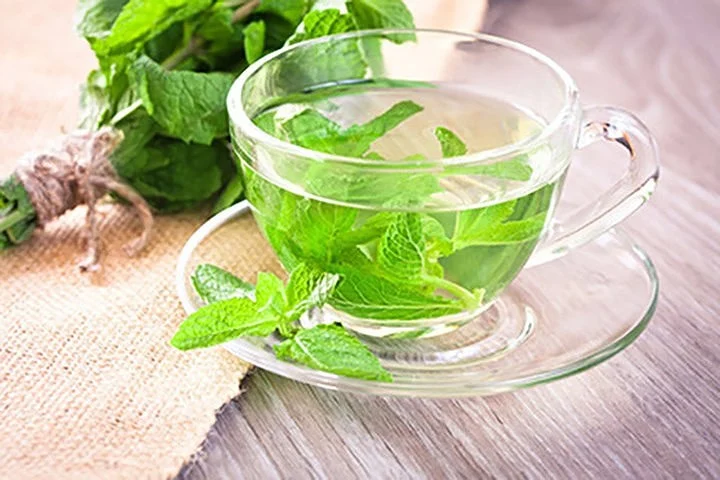
Peppermint tea helps reduce mild stress.
3. Herbal teas commonly used for relaxation.
3.1. Chamomile
Chamomile ( Matricaria chamomilla ) is one of the most extensively studied herbs for its mild anxiety-reducing and sleep-improving effects. Compounds such as apigenin can bind to benzodiazepine receptors in the brain, producing a mild sedative effect. Several recent clinical trials have shown that chamomile may reduce mild anxiety symptoms, particularly in middle-aged and older adults.
3.2. Lavender
Lavender ( Lavandula angustifolia ) is commonly used in aromatherapy and herbal teas. Some studies have noted that using lavender for 2-4 weeks may help reduce anxiety symptoms and improve sleep quality. This effect may be related to the regulation of GABA and serotonin systems. However, current evidence is mostly supportive and not strong enough to replace medication.
3.3. Peppermint
Peppermint ( Mentha piperita ) is commonly known for its digestive benefits. However, the pleasant sensation of drinking peppermint tea can help reduce mild stress. Additionally, improving symptoms of bloating and indigestion contributes to reducing physical discomfort – a factor that increases stress.
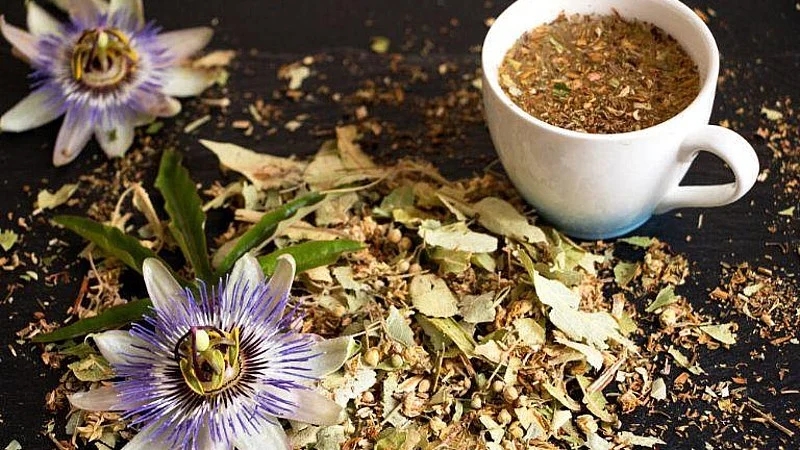
Caution should be exercised when using passionflower tea with sedatives or antidepressants.
3.4. Passionflower
Passionflower ( Passiflora incarnata ) has been studied for its effects on improving sleep and reducing mild anxiety. Some studies suggest that passionflower may improve subjective sleep quality after a few weeks of use. However, caution should be exercised when used concurrently with sedatives or antidepressants.
3.5. Roses
Roses are primarily studied in aromatherapy. Their scent can help reduce anxiety and improve mood. Data on rose tea is limited, but combining the aroma with relaxation time may offer some degree of comfort.
In many countries, such as China, Japan, and the UK, tea drinking is an integral part of cultural life. The slow, focused ritual of brewing tea, concentrating on the process and flavor, can have a similar effect to practicing mindfulness. Studies on stress management show that ritualistic, repetitive, and focused activities can help stabilize mood. Therefore, the important factor is not just the type of tea or when you drink it, but also how you spend your time doing it.
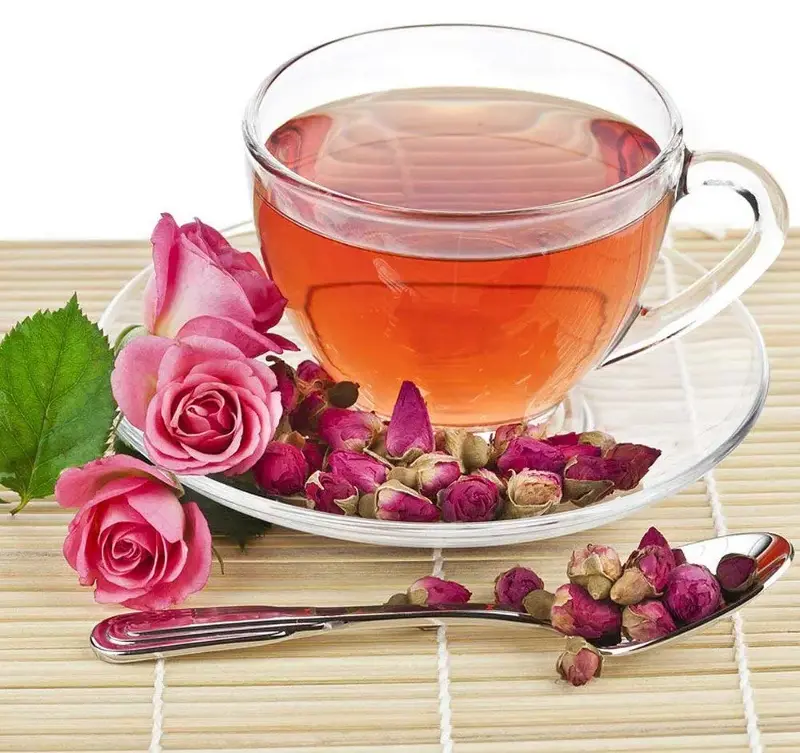
Rose tea can have a certain relaxing effect.
4. Things to note when using herbal tea
- Herbal teas should not be considered a substitute treatment for anxiety disorders, depression, or chronic insomnia.
- Pregnant women, breastfeeding mothers, and individuals taking sedatives, anticoagulants, or psychiatric medications should consult a doctor before regular use.
- Avoid drinking too much in the evening to prevent nighttime urination.
- Choose products with a clear origin and avoid medicinal herbs that have not undergone quality control.
Herbal teas can support relaxation through mild biological and behavioral mechanisms. The best times to drink them are usually 1–2 hours before bedtime, as a morning alternative to caffeinated beverages, or during stressful breaks throughout the day. However, effectiveness varies depending on individual physiology and usage. Maintaining a healthy lifestyle, getting enough sleep, exercising, and managing stress remain crucial foundations for protecting mental health.