



Gum inflammation (gingivitis) after porcelain veneer placement often stems from errors in the procedure or poor aftercare habits.Porcelain veneers are a popular cosmetic and restorative dental procedure today. However, many people experience gingivitis (gum inflammation) after getting porcelain veneers, causing pain and affecting their oral health.
So what are the causes and how can we address them?
Common causes of gum inflammation after dental crown placement.
Violating the "biological space" of the gums. The dentist grinds down the teeth too deeply or places a crown too far into the attachment area between the tooth and the gum. This compresses the gums, causing constant irritation, leading to swelling, redness, chronic inflammation, and even jawbone loss and tooth loss.
Porcelain crowns that are poorly fabricated may not fit snugly against the natural tooth stump or may feel bulky . This creates gaps where food and plaque easily get trapped, bacteria accumulate, causing gingivitis and bad breath.
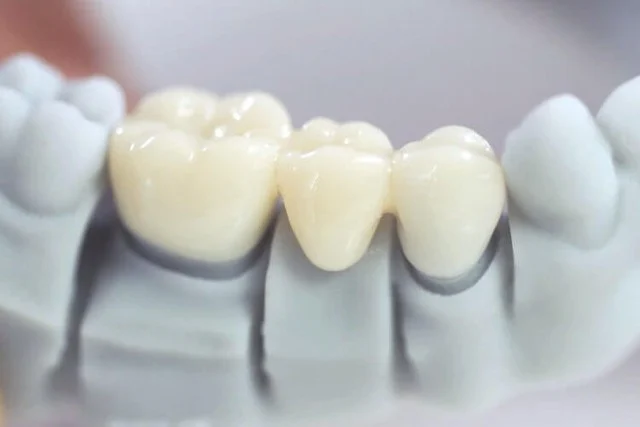
Gum inflammation (gingivitis) after dental crown placement often stems from technical errors or poor aftercare habits. (Illustrative image)
Residual dental cement. After dental crown placement, if the excess cement at the gum line is not completely cleaned away. This hardened layer of cement will become a foreign object that irritates the gums, creating conditions for bacteria to adhere and cause inflammation.
Poor oral hygiene, failure to thoroughly clean the area around the base of the dental crowns, and tartar buildup at the gum line can cause inflammation similar to that of natural teeth.
Pre-existing dental conditions were not completely treated . Conditions such as gingivitis, periodontitis, or cavities were not thoroughly addressed before the crown placement. Bacterial pathogens remain and can proliferate even more after the crown covers the tooth.
What are the consequences of gingivitis if left untreated?
Chronic gingivitis can lead to many complications:
- Swollen, red, and frequently bleeding gums.
- Bad breath, affecting communication.
- Gum recession, exposed tooth roots
- Periodontitis → jawbone resorption
- Risk of losing the inner teeth.
Treatment for gingivitis caused by dental crowns.
- Clean tartar and bacteria around the dental crown.
- Use anti-inflammatory medication and mouthwash as directed by your doctor.
- Adjust or replace the porcelain crown if the technique is incorrect.
- Treat periodontal disease if inflammation has progressed to a severe stage.
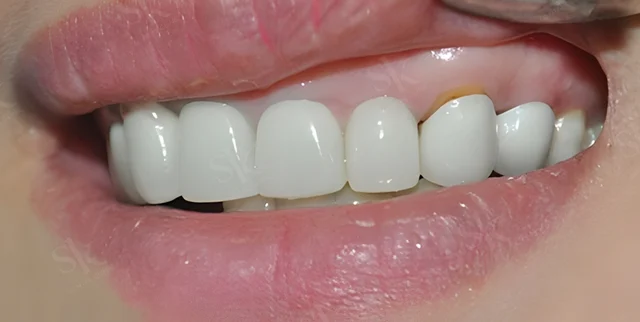
Gum inflammation after dental crown placement is mainly due to improper technique and care.
Preventing and reducing gingivitis after getting dental crowns.
- Choose a reputable dental clinic with highly skilled dentists.
- Proper oral hygiene techniques: Use a soft-bristled toothbrush and brush gently in a vertical or circular motion. Use a water flosser to clean between dental crowns and under dental bridges that a toothbrush cannot reach. Use dental floss instead of traditional toothpicks to avoid damaging gum tissue and creating gaps between teeth.
- Avoid foods that are too hard or too chewy.
- Reduce your intake of sweets and starches.
- Avoid food that is too hot or too cold.
- Prioritize all-ceramic crowns: Metal-free ceramic crowns (such as Zirconia and Cercon) have high biocompatibility and do not oxidize or irritate the gums like metal-ceramic crowns.
- Regular check-ups: Get a professional teeth cleaning every 6 months. Check the fit of the crown to detect early signs of looseness, gaps, or excess cement so that it can be addressed promptly before causing severe inflammation.
Gum inflammation after dental crown placement is mainly due to improper technique and care. Choosing a reputable dental clinic and maintaining good oral hygiene will help minimize this complication.