



Drinking too much ice water or very cold drinks.
Many people have a habit of using ice or cold drinks to cool down immediately after coming in from the hot sun.
However, drinking too many very cold beverages in a short period of time can cause discomfort or stomach pain in some people, especially those with sensitive digestive systems.
For people with stomach problems or irritable bowel syndrome, very cold drinks can even worsen symptoms.
Eating lots of ice cream, soda, and sugary drinks.
Ice cream, milk tea, or soft drinks can provide instant refreshment but are often high in sugar and calories.

Ice cream, milk tea, or soft drinks can provide instant refreshment but are often high in sugar and calories.
A diet high in sugar over a long period can affect the gut microbiome and contribute to digestive discomfort in some people. Some individuals may experience fatigue or discomfort after consuming large amounts of sugary drinks, however, this feeling varies from person to person.
Eating raw or undercooked food.
Salads, raw seafood, blood pudding, or undercooked foods risk containing bacteria, viruses, or parasites if not prepared hygienically.
During the summer , high temperatures cause microorganisms to multiply more rapidly, increasing the risk of food poisoning and gastrointestinal illnesses.
Skipping meals and then overeating.
Due to the hot weather, many people lose their appetite during the day and skip meals, then eat a lot in the evening.
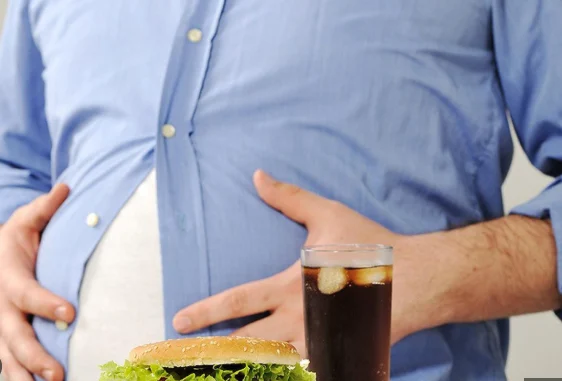
Overeating at one meal forces the stomach to work harder to digest the large amount of food.
Overeating at one meal forces the stomach to work harder to digest the large amount of food. This can cause bloating, indigestion, or reflux in some people.
Eating a lot of fried and greasy foods.
High-fat meals can slow down the process of stomach emptying, causing some people to feel bloated or experience indigestion.
If you frequently eat fried foods in the summer, your digestive system may have to work harder, leading to feelings of heaviness in the stomach, slow digestion, or bloating, especially after meals high in fat.
Irregular eating habits while traveling
Summer travel often involves changing meal times, trying new foods, or enjoying street food.
If food is not hygienic or eating habits are irregular, the risk of digestive disorders increases. Additionally, changes in water sources or living environment can also affect the digestive system in some people.
Improper food storage
Food left at room temperature for too long in the summer is very susceptible to bacterial growth. Consuming spoiled or improperly stored food is one of the common causes of food poisoning, acute diarrhea, and other gastrointestinal illnesses.

To improve digestive function, you should: Drink enough water each day, divided into several small drinks instead of drinking too much at once. Avoid drinking very cold water immediately after being in the sun.
How can I reduce the strain on my digestive system?
To improve digestive function, you should: Drink enough water each day, divided into several small drinks instead of drinking too much at once. Avoid drinking very cold water immediately after being in the sun.
Prioritize light, easily digestible foods such as green vegetables, fruits, fish, lean meat, and whole grains. Eat cooked food, drink boiled water, and choose food from reliable sources.
Store food at the correct temperature, avoiding leaving it exposed to the environment for too long. Eat on time, do not skip meals, and avoid overeating in the evening. Limit alcohol, sugary drinks, and fatty foods. Wash your hands thoroughly before preparing and eating to reduce the risk of gastrointestinal infections.