


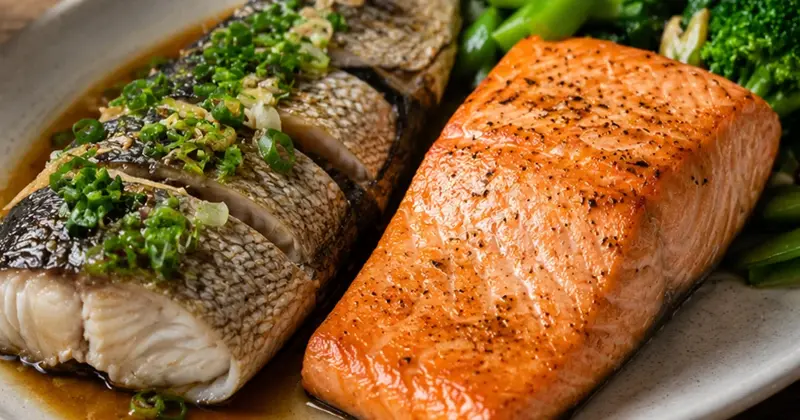
However, simply eating a lot of fish doesn't necessarily mean it will help lower blood sugar. The benefits of fish depend on the type of fish, how it's prepared, and the foods it's eaten with, according to the health website Healthline (USA).
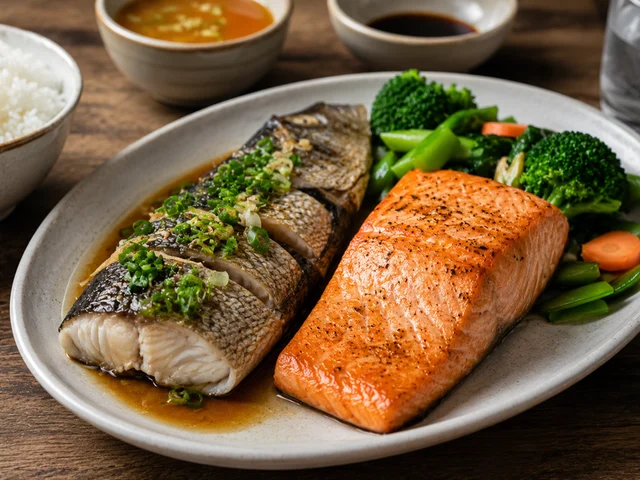
Eating fish with fiber-rich vegetables can help control blood sugar better.
PHOTO: N. Quy created using AI
Prioritize heart-healthy foods.
In addition to protein, many types of fish also contain omega-3 fatty acids, especially salmon, mackerel, sardines, and herring. These are a group of unsaturated fats that are beneficial for cardiovascular health. People with diabetes often have a higher risk of cardiovascular disease, increased triglycerides in the blood, and atherosclerosis. Therefore, prioritizing heart-healthy foods is crucial.
Although fish is a healthy food, eating too much of it doesn't necessarily mean better blood sugar control. The benefits of fish lie primarily in its ability to improve dietary quality and cardiovascular health, not in its blood sugar-lowering effects, says Erin Palinski-Wade, a diabetes nutritionist at Vernon Nutrition Center (USA).
Use fish instead of processed meat or fatty meat.
It's important to use fish to replace less healthy protein sources like processed meats, fatty meats, or fast food. If you eat fish but still consume a lot of refined carbohydrates and sweets, your blood sugar can still rise.
Fatty fish rich in omega-3s are generally recommended due to their benefits for cardiovascular and metabolic health. Popular omega-3-rich fish include salmon, mackerel, sardines, herring, and tuna. Additionally, lean fish like tilapia, cod, or basa are also good sources of protein, suitable for those needing to manage their weight.
Prioritize steaming and boiling.
Furthermore, the way fish is prepared is very important. The benefits of fish can be significantly reduced if it is prepared in a way that uses a lot of oil or is eaten with unhealthy foods. For example, battered or deep-fried fish often contains more calories and fat than steamed or grilled fish. Some dishes also have a batter coating that contains a lot of starch, which can easily cause blood sugar to spike after eating.
People with diabetes should prioritize simple cooking methods such as steaming, boiling, grilling, or pan-frying with little oil. These methods help preserve the nutritional value of fish without adding too much energy to the meal.
A good meal for people with diabetes depends not only on the main dish but also on how the food is combined. When eating fish, people with diabetes should combine it with plenty of green vegetables, beans, whole grains, or sources of slow-absorbing carbohydrates such as brown rice and sweet potatoes. The fiber in these foods helps slow the absorption of glucose into the bloodstream, thereby limiting a rapid increase in blood sugar after eating, according to Healthline .