


Below are the potential health benefits and some things to keep in mind when using black sesame seeds, according to Health (USA).
Supports better digestion
Black sesame seeds contain more fiber than white sesame seeds because they retain their outer shell. Approximately 28g of black sesame seeds provide 3g of fiber, equivalent to 11-12% of the recommended daily fiber intake for adults. Fiber helps increase stool bulk and soften stool, supporting more efficient bowel movements, thereby contributing to the reduction of constipation.
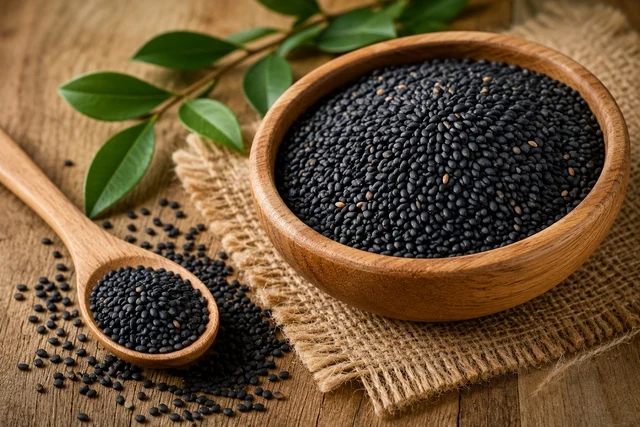
The omega-3 fatty acids in black sesame seeds can also help increase blood flow to the brain, supporting the structure and function of nerve cells.
PHOTO: NQ CREATED BY AI
Supports brain health
A review study showed that approximately 50% of black sesame seeds are fat. These are important compounds that help nourish and protect cells in the body, including brain cells.
In particular, unsaturated fats – a type of fat found in black sesame seeds – are thought to be linked to better cognitive abilities and memory, and may help reduce the risk of Alzheimer's disease.
Additionally, the omega-3 fatty acids in black sesame seeds can help increase blood flow to the brain, supporting the structure and function of nerve cells.



Provides many antioxidants
Black sesame seeds are rich in antioxidants such as vitamin E, flavonoids, and polyphenols. These compounds have anti-inflammatory properties and protect cells from damage caused by free radicals. According to nutrition experts, black sesame seeds contain higher levels of antioxidants, especially vitamin E and flavonoids, compared to white sesame seeds.
Provides nutrients for bones and muscles.
Black sesame seeds are rich in important minerals such as calcium, iron, and magnesium – nutrients essential for bone health, muscle function, and nerve transmission. To enhance their effectiveness, experts recommend combining black sesame seeds with other mineral-rich foods such as leafy green vegetables, milk and dairy products, or red meat.
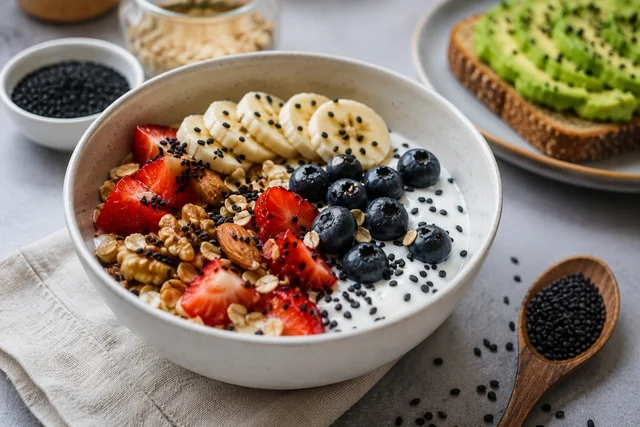
Experts recommend combining black sesame seeds with other mineral-rich foods such as leafy green vegetables, milk, and dairy products.
Illustrative image: NQ created by AI
Protein supplement
Approximately 20% of black sesame seeds are protein – a nutrient that plays a role in building cells, muscles, and tissues in the body. While the amount of black sesame seeds consumed daily is usually not large enough to make a significant difference in muscle mass, they may contribute to better blood sugar control.
Sprinkling black sesame seeds on dishes also helps increase feelings of fullness, especially when combined with other nutrient-rich foods such as whole-wheat bread with butter, roasted vegetables, or oatmeal.
Some things to keep in mind when eating black sesame seeds.
The high fiber content in black sesame seeds can cause bloating, gas, or discomfort in people with sensitive digestive systems. To minimize this, black sesame seeds should be added to the diet gradually to allow the body time to adapt.
Additionally, sesame seeds are one of the foods that commonly cause allergies. If you suspect you are allergic to sesame seeds, you should consult your doctor for advice and necessary tests.