


According to the health website Verywell Health , simply adding a small amount of healthy fat to a meal containing eggs will help the body utilize vitamin D more effectively.
Combining eggs with healthy fats helps increase vitamin D absorption.
Vitamin D belongs to the group of fat-soluble vitamins, along with vitamins A, E, and K. The body absorbs these vitamins better when consumed with foods containing fat.
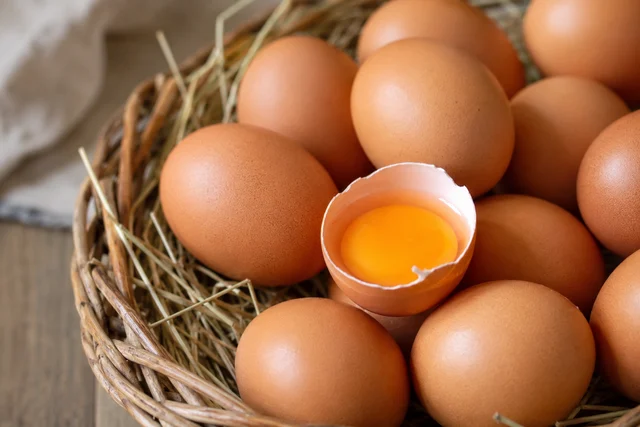
Adding a small amount of healthy fat to a meal containing eggs will help the body utilize vitamin D more effectively.
Photo: N.Vy created using AI
According to a 2024 study published in Nutrition in Clinical Practice , fat plays a crucial role in the absorption of vitamin D. When fat reaches the small intestine, the body secretes bile and digestive enzymes, helping vitamin D dissolve, easily pass through the intestinal wall, and be absorbed into the bloodstream.
Egg yolks already contain a natural amount of fat that can aid in vitamin D absorption. However, adding healthy fats will be even more effective, especially in low-fat meals.
Healthy fat sources such as olive oil, avocados, walnuts, almonds, chia seeds, and pumpkin seeds are good choices to take with vitamin D. In addition, salmon and sardines are both rich in healthy fats and contain plenty of natural vitamin D, helping to increase the body's vitamin D levels.
The way eggs are prepared doesn't make a big difference.
According to a 2014 study published in the journal Food Chemistry , common egg preparation methods such as boiling, poaching, and frying hardly alter the vitamin D content of eggs.
Vitamin D is fairly stable at normal cooking temperatures. However, baking eggs at high temperatures or for extended periods can reduce vitamin D levels more than other cooking methods.
Since fat aids in the absorption of vitamin D, cooking eggs with a small amount of healthy vegetable oil can be beneficial.