


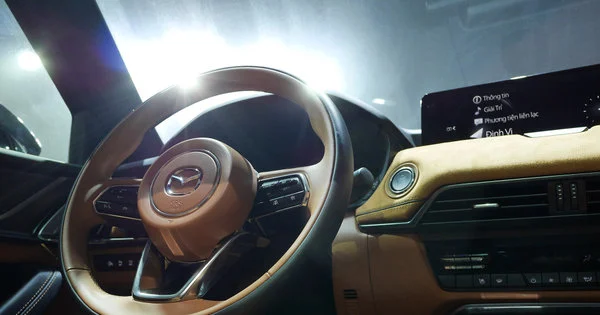
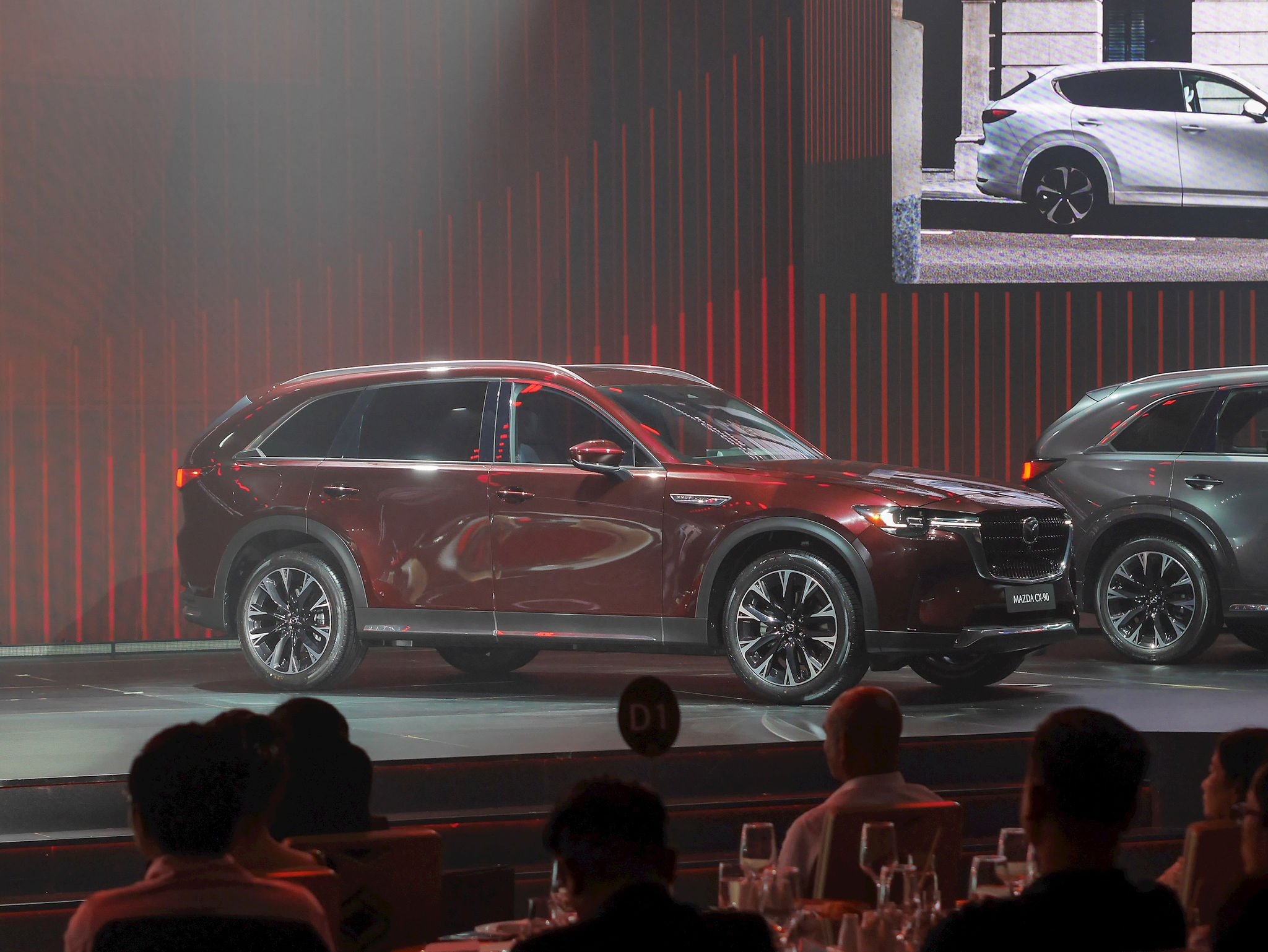
The Mazda CX-60 and Mazda CX-90, including hybrid (HEV) and plug-in hybrid (PHEV) versions, mark the first time the Japanese automaker has deeply participated in the growing electrification trend in the Vietnamese market.
The CX-60 boasts a completely different configuration from Mazda's familiar previous products, being developed on a new generation rear-wheel drive platform, combined with all-wheel drive (AWD) and advanced hybrid technology. The 3.3L turbocharged engine integrates a 48V hybrid system with a new generation 8-speed automatic transmission.
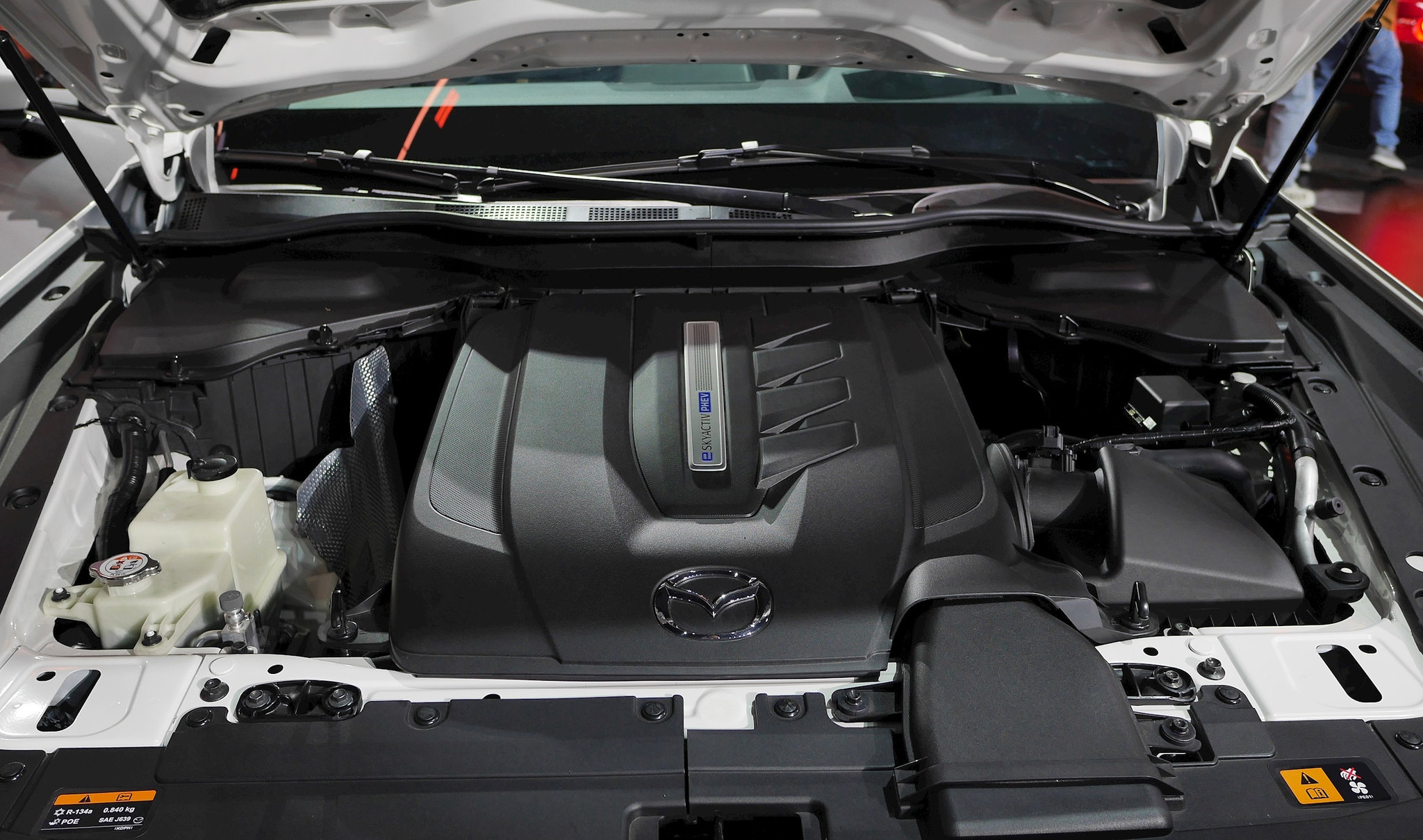
Meanwhile, besides the two HEV versions with a 3.3L engine (producing 340 horsepower and 500Nm of torque), the highlight of the CX-90 lies in the PHEV version – a combination of a 2.5L gasoline engine and an electric motor, delivering a maximum power of 323 horsepower and a maximum torque of 500Nm. Combined fuel consumption is only 2.37 liters/100km.
Mazda's latest move comes amidst a growing wave of electrification in the Vietnamese automotive market. Following the boom in all-electric vehicles, led by VinFast , many international automakers are also accelerating the introduction of electrified models to Vietnam.
However, Mazda's strategy is somewhat different, as it doesn't choose mainstream models as a stepping stone, but instead directly introduces high-value, large SUVs.
This approach also aligns with Mazda's new global strategy – which is seeking to elevate its brand. For many years, Mazda has been known to Vietnamese consumers as a mainstream brand with attractive design, good driving feel, and competitive pricing. Products like the Mazda3, Mazda6, and especially the CX-5 have become flagship models, contributing a large portion of the company's sales.


However, in recent years, there has been a noticeable shift. Instead of continuing to compete directly in the increasingly fierce mainstream segment, the Japanese automaker has chosen a new direction: moving closer to the premium customer segment.
The clearest manifestation of this strategy is the emergence of the "double-digit CX" SUV line, including the CX-60, CX-70, CX-80, and CX-90. While the CX-5 and CX-30 remain familiar mainstream models, the double-digit CX models are developed on a completely new platform with higher standards in design, materials, technology, and performance.
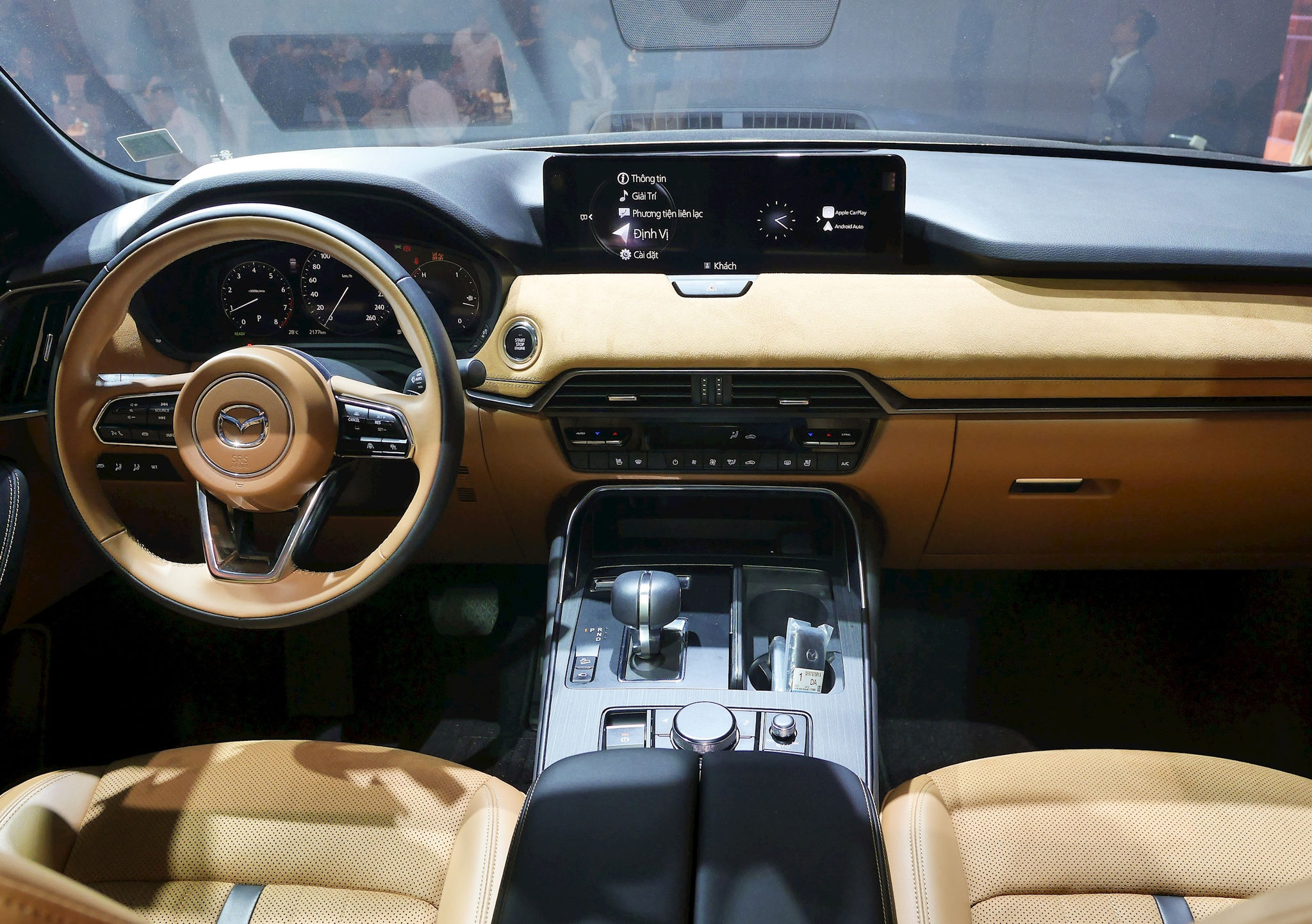
Beneath these two SUVs lies an entirely new chassis platform designed for premium SUVs. This is a rear-wheel-drive architecture, coupled with all-wheel drive (AWD), a longitudinally mounted engine, and a new generation 8-speed automatic transmission. These features are more commonly found in European luxury cars than in mainstream Japanese models.
In the new model, Mazda also emphasizes its "Craftsmanship" philosophy, inspired by the renowned Takumi artisans of Japan. The interior uses many high-quality materials, focusing on a luxurious experience and a refined feel for the user. This approach is quite similar to that of previous high-end Japanese brands such as Lexus and Infiniti.
Expected deliveries from July to October 2026 (depending on the version), the prices of the new Mazda models are quite wide. Specifically, the CX-60 3.3 Turbo HEV AWD has a promotional price of 1.699 billion VND. Meanwhile, the Mazda CX-90 is distributed in three versions: the CX-90 3.3 Turbo HEV AWD 7-seater priced at 1.899 billion VND, the CX-90 3.3 Turbo HEV AWD 6-seater priced at 1.949 billion VND, and the CX-90 2.5 PHEV AWD 7-seater priced at 2.299 billion VND.
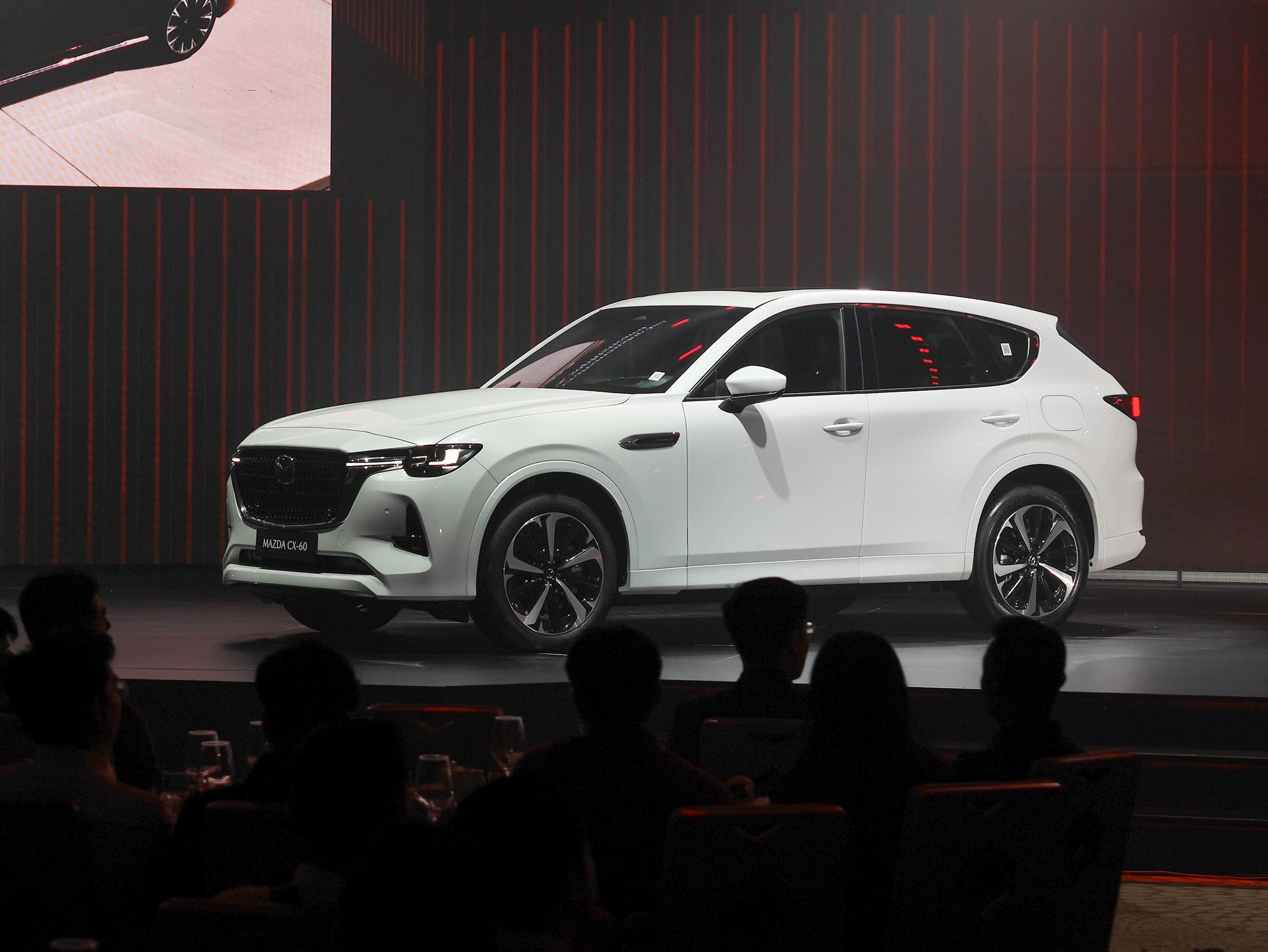
This is also the highest price ever for genuine Mazda vehicles in Vietnam, far exceeding the familiar price levels of models that have made the brand famous, such as the Mazda3 or CX-5.
On the other hand, bringing the CX-60 and CX-90 to Vietnam also shows that Mazda believes the domestic market has sufficient potential to receive products in a higher segment.

Overall, the arrival of the CX-60 and CX-90 on this occasion is not simply the addition of a few new Mazda models in Vietnam, but a significant milestone in Mazda's transformation from a popular mainstream brand known for the Mazda3 and CX-5 to a manufacturer pursuing a more premium image, and officially entering the era of electrification with HEV and PHEV technologies.
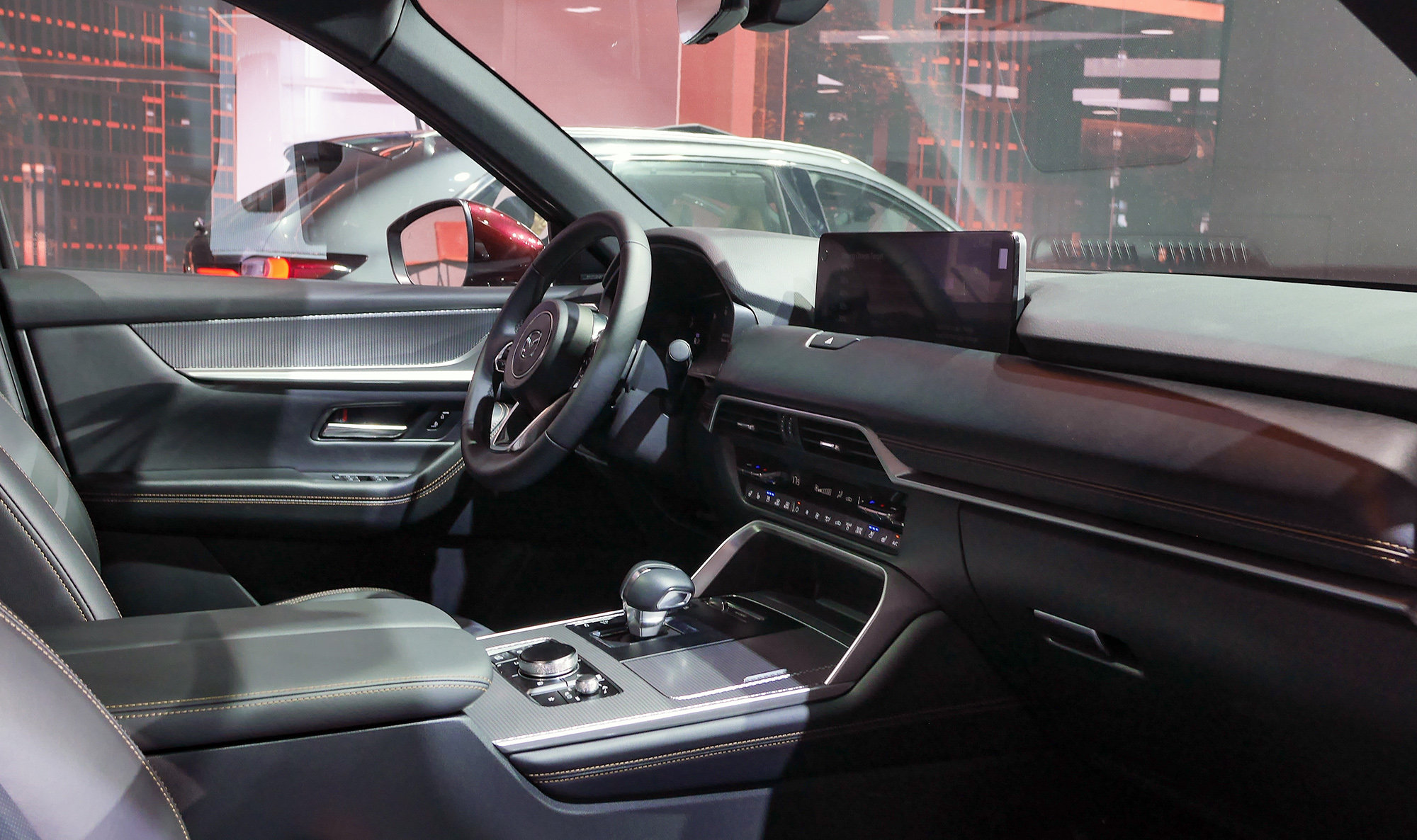
If positively received by the market, this will serve as a foundation for Mazda to further expand its electrified product portfolio and realize its ambition to elevate the brand in the coming years.