


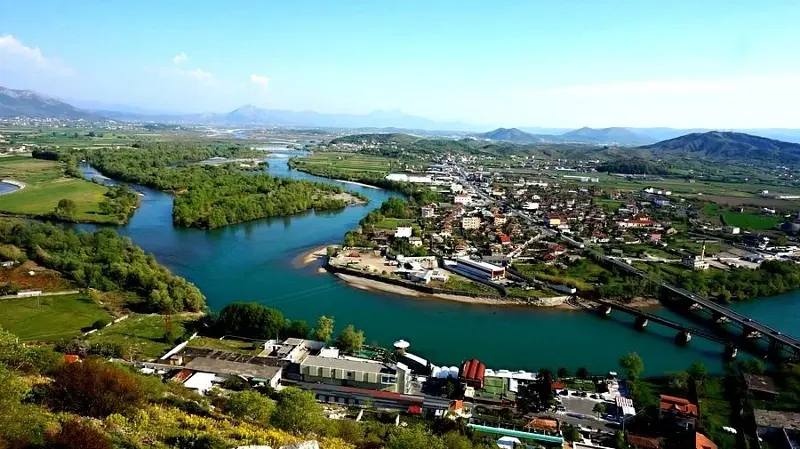
Lands of a Sustainable Future
As protected areas, biosphere reserves are now also considered "living laboratories," where humans seek solutions to the problem of balancing nature conservation and socio- economic development.
For those who love adventurous travel, this is also a list of the world's most noteworthy destinations in 2026.
The announcement was made by UNESCO on World Environment Day, June 5th, coinciding with the 55th anniversary of the World Biosphere Reserve network since the first sites were recognized in 1971.
With the addition of 14 new reserves, the network now comprises 797 biosphere reserves in 145 countries worldwide.
While UNESCO's global geoparks celebrate unique geological values combined with environmental education and community development, biosphere reserves are spaces representing typical Earth ecosystems, where nature and humanity coexist in a harmonious relationship.
According to the travel magazine Wanderlust, these are areas that are contributing to the development of innovative solutions to address climate change, protect biodiversity, and promote sustainable living models.
This reflects a new trend in global conservation thinking: nature is not separate from human life but is present right within our living, production, and development spaces.
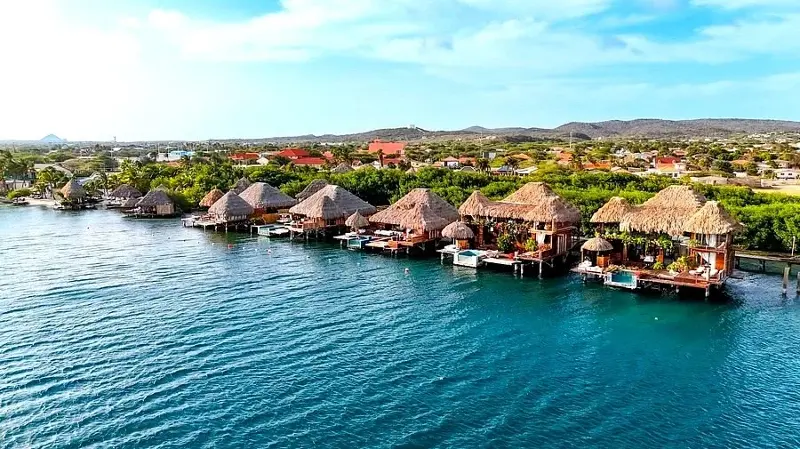
From a desert island nation in the Caribbean to a city on the Saint Lawrence River.
One of the most noteworthy names is Aruba – the first island nation to have its entire territory recognized by UNESCO as a biosphere reserve.
Located in the southern Caribbean, Aruba possesses a beauty that differs from the familiar image of tropical islands. Without lush rainforests, it features an arid climate with unique semi-desert landscapes, creating a distinctive ecosystem in the middle of the ocean.
Meanwhile, Quebec City in Canada has become a testament to the trend of conservation in urban environments. The inclusion of a city in the network of biosphere reserves demonstrates the increasing international recognition of the role of cities in maintaining biodiversity and building green development models.
In Southeast Asia, Timor-Leste's Nino Konis Santana Biosphere Reserve is considered particularly significant as it is the first biosphere reserve of this young nation.
Located within the Coral Triangle – an area often referred to as the "Amazon of the ocean" with over 75% of the world's coral species – Nino Konis Santana also preserves the largest remaining primary forest in Timor-Leste.
Meanwhile, in South America, Paraguay's Sur del Alto Paraná region is recognized by UNESCO for being located within the Paraná Atlantic Forest – one of the most biodiverse but also most critically endangered ecosystems on the planet.
Speaking about the latest decision, UNESCO Director-General Khaled El-Enany emphasized: “Biosphere reserves demonstrate every day that protecting nature and improving human life are not conflicting goals.”
This message is perhaps also the greatest value that the global network of biosphere reserves is pursuing.
In a context where many destinations around the world are facing pressures from tourism overcrowding, environmental pollution, and ecological imbalance, biosphere reserves are becoming important models for the future.
They demonstrate that economic development can coexist with conservation, provided that people respect natural limits.
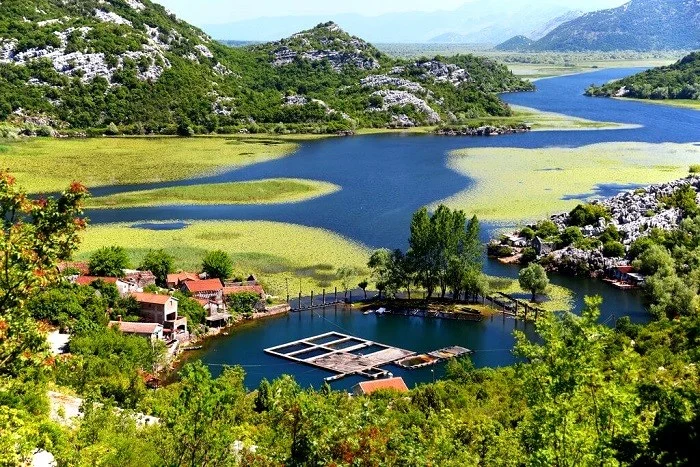
14 new UNESCO biosphere reserves worth exploring in 2026:
1. Lake Shkodër (Albania)
2. Theniet El Had (Algeria)
3. Aruba Island
4. Greater Caucasus (Azerbaijan)
5. Takamanda (Cameroon)
6. Quebec City (Canada)
7. Dalankuh – Qamishlou (Iran)
8. Tost Toson Bumbiin Nuruu (Mongolia)
9. Skadar Lake Basin (Montenegro)
10. Sur del Alto Paraná (Paraguay)
11. Matibay na Bayan ng Sablayan (Philippines)
12. Serra da Estrela (Portugal)
13. Nino Konis Santana (Timor-Leste)
14. Phong Nha - Ke Bang (Vietnam)