



Some natural drinks can help detoxify the body, improve circulation, and contribute to stabilizing or lowering blood pressure.
High blood pressure is a serious and increasingly common health problem affecting many adults. If left uncontrolled, it can lead to dangerous complications such as cardiovascular disease and stroke. Lowering blood pressure properly is crucial for protecting your health.
- 1. Drinks that help lower blood pressure
- 1.1. Green tea and black tea – help regulate blood pressure
- 1.2. Beetroot juice – increases vasodilation, lowers blood pressure
- 1.3. Tomato juice – helps lower blood pressure and cholesterol.
- 1.4. Pomegranate juice – rich in antioxidants
- 1.5. Berry juice – helps protect blood vessels.
- 1.6. Skim milk – a heart-healthy choice.
- 2. Control blood pressure through a healthy lifestyle.
- 2.1. Types of drinks to limit
- 2.2. Lifestyle considerations
Besides taking medication as prescribed by a doctor and maintaining a healthy lifestyle, some natural beverages can help control blood pressure. These are easy-to-implement options that fit the daily routines of Vietnamese people.
1. Drinks that help lower blood pressure
1.1. Green tea and black tea – help regulate blood pressure
Green tea and black tea are two familiar beverages that contain many antioxidant compounds, especially flavonoids. Studies show that regular tea consumption over a long period (over 3 months) can help lower both systolic and diastolic blood pressure.
Among them, green tea is noted to be more effective due to its high antioxidant content. Maintaining the habit of drinking 1–2 cups of tea per day can support cardiovascular health; however, it is necessary to avoid drinking it too strong or drinking it in the evening to avoid affecting sleep.
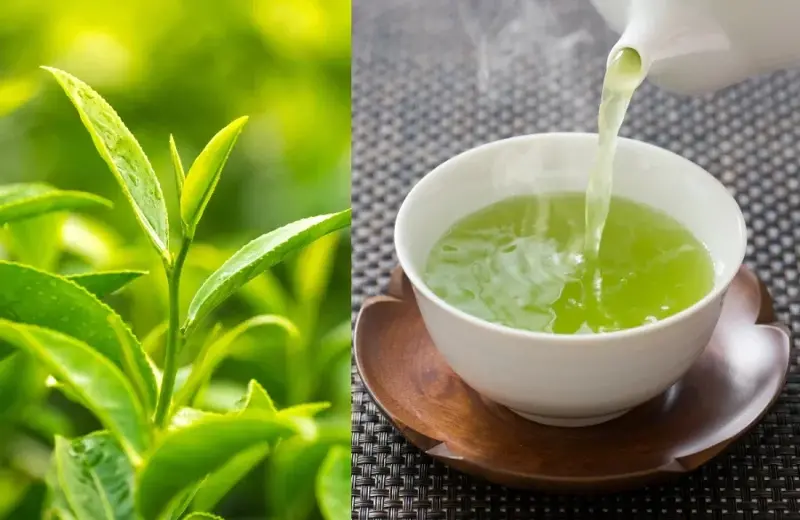
Green tea contains high levels of antioxidants that help lower blood pressure.
1.2. Beetroot juice – increases vasodilation, lowers blood pressure
Beets are a rich natural source of nitrates. Once in the body, nitrates are converted into nitric oxide – a substance that helps dilate blood vessels. When blood vessels dilate, the heart doesn't have to work as hard to pump blood, thus helping to lower blood pressure. Many studies have shown that people with high blood pressure can improve their systolic blood pressure by consuming beet juice.
For best results, use fresh juice, without added sugar, and drink in moderation.
1.3. Tomato juice – helps lower blood pressure and cholesterol.
Tomatoes are rich in potassium and antioxidants, especially lycopene, which are beneficial for cardiovascular health. A year-long study showed that drinking unsalted tomato juice daily can help lower blood pressure and improve bad cholesterol (LDL). It's important to choose a low-sodium or no-salt product, as excess sodium can increase blood pressure over time.
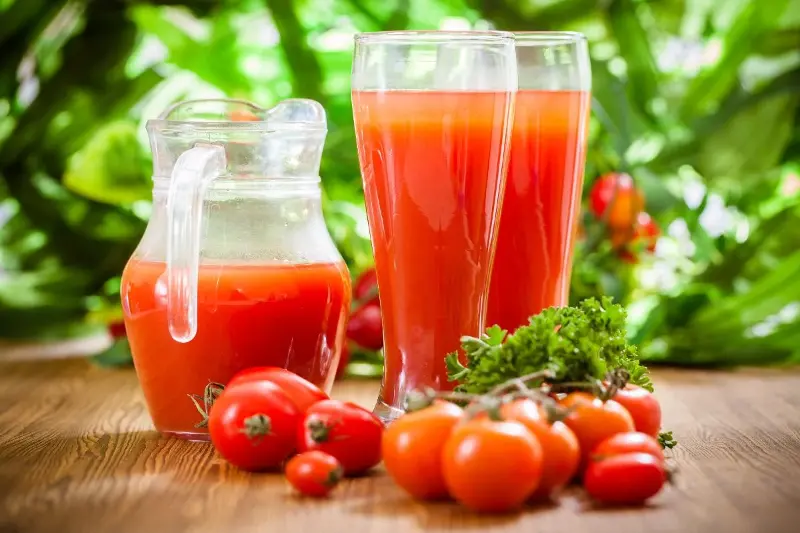
Tomato juice is rich in potassium and antioxidants that are beneficial for cardiovascular health.
1.4. Pomegranate juice – rich in antioxidants
Pomegranates are rich in vitamin C, folic acid, and powerful antioxidants. Meta-analyses suggest that regularly drinking pomegranate juice may help lower both systolic and diastolic blood pressure. However, consumers should prioritize pure, unsweetened juice to avoid excess calories that can affect weight and metabolism.
1.5. Berry juice – helps protect blood vessels.
Berries like cherries and cranberries are rich in polyphenols – compounds beneficial for the cardiovascular system. Some studies have shown that consuming juice from these fruits can help lower blood pressure. Additionally, eating fresh fruit instead of just drinking juice is a good option for adding fiber, supporting metabolism, and managing weight.
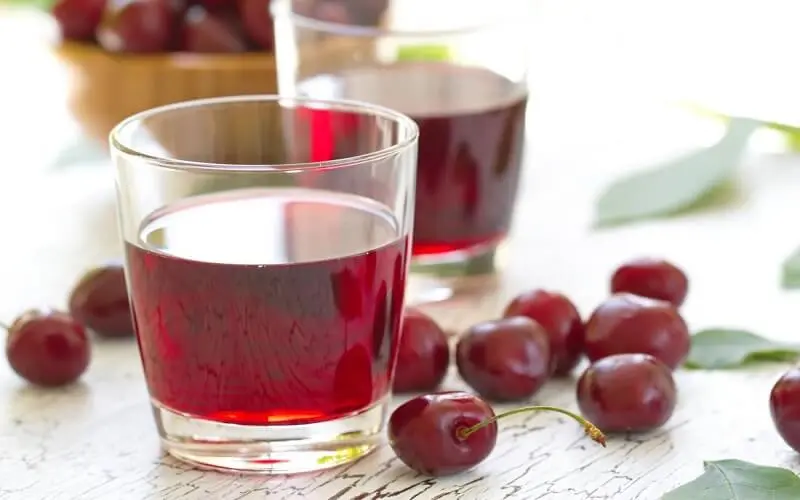
Cherry juice is rich in polyphenols – compounds that are beneficial for the cardiovascular system.
1.6. Skim milk – a heart-healthy choice.
Skim milk and low-fat dairy products may contribute to maintaining stable blood pressure. Some studies suggest that people who consume low-fat milk tend to have lower blood pressure readings. However, current evidence is not strong enough to definitively say that milk can directly treat hypertension. Therefore, it should only be considered as part of a balanced diet.
Drinking enough water every day is crucial for maintaining normal bodily and cardiovascular function. However, plain water does not have a significant effect on lowering blood pressure, except in cases of dehydration. Maintaining a daily water intake of approximately 1.5–2 liters (depending on individual needs) helps support circulation and prevent related disorders.
2. Control blood pressure through a healthy lifestyle.
2.1. Types of drinks to limit
In addition to incorporating beneficial drinks into their diet, people at risk of high blood pressure should pay attention to limiting:
- Alcohol: Drinking alcohol excessively is strongly linked to high blood pressure and can reduce the effectiveness of medication.
- Caffeinated beverages: Coffee, energy drinks, and strong tea can temporarily increase blood pressure, especially in sensitive individuals.
- Carbonated soft drinks: Regular consumption increases the risk of high blood pressure and metabolic disorders.
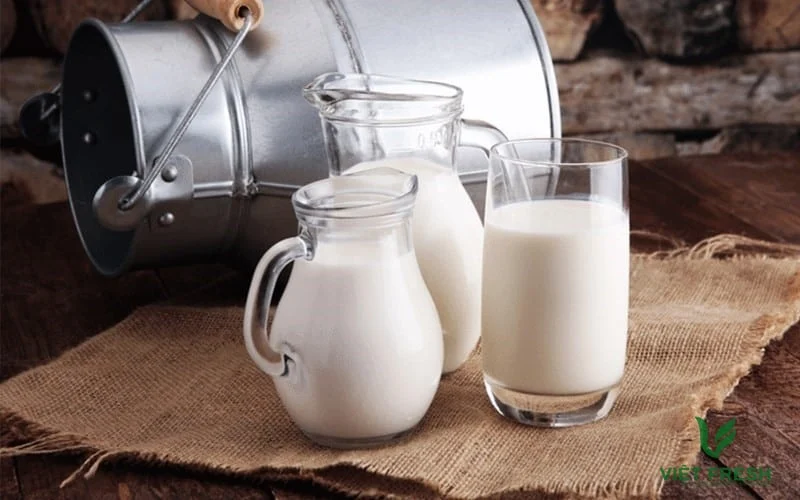
Skim milk may contribute to maintaining stable blood pressure.
2.2. Lifestyle considerations
In addition to choosing the right beverage, experts recommend combining several measures:
- Reduce salt intake: Limit sodium intake to less than 2,300 mg per day, ideally around 1,500 mg.
- Increase your intake of plant-based foods: Green vegetables, fruits, and whole grains.
- Exercise regularly: At least 150 minutes per week at moderate intensity.
- Weight management: Reduces the risk of cardiovascular disease and high blood pressure.
- Stress management: Practice meditation and deep breathing.
- Do not smoke: Cigarettes increase blood pressure and damage blood vessels.
Natural beverages can help control blood pressure when used correctly. However, they are not a substitute for medical treatment. Patients need to monitor their blood pressure regularly, follow their doctor's instructions, and maintain a healthy lifestyle to prevent long-term complications.
See more trending articles: