


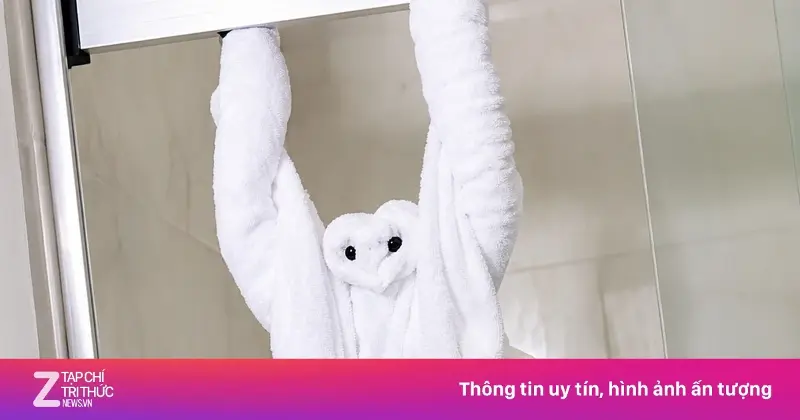
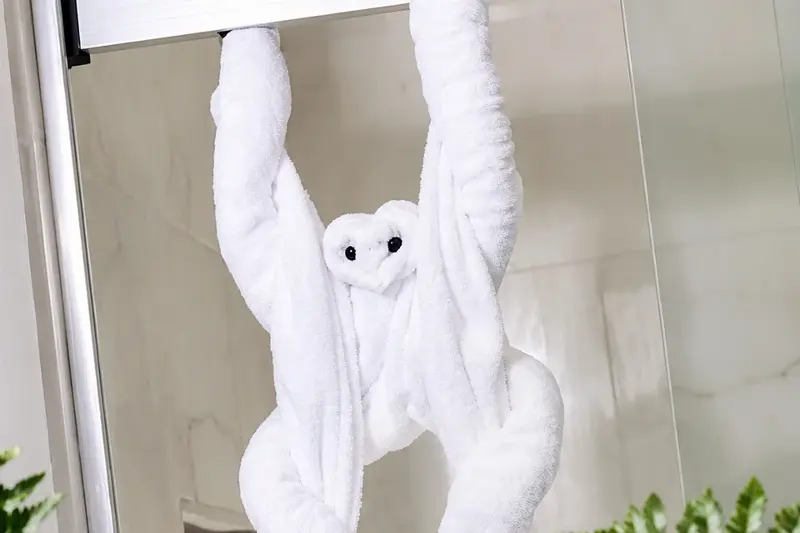
The art of towel folding has become such a familiar part of the hospitality experience that Beaches Resort (Caribbean) has included this skill in its butler training program. Photo: David Brandon Geeting .
Stepping into a hotel room after a long journey and encountering two swans "lying" on the bed, an elephant with its trunk sticking out from under a towel, or even a monkey hanging from the wardrobe, many travelers can't hide their delight.
Although it's just a small detail, folding towels into animal shapes has become a familiar service culture at many hotels and resorts around the world .
According to experts in the hospitality industry, the greatest purpose of the art of napkin folding is to create a feeling of welcome.
A clean room is what guests expect, but a playfully folded towel gives the impression that someone has put extra time and effort into preparing the space for them. This makes the stay experience more personal and memorable.
In the hospitality industry, small details are often just as valuable as expensive amenities. According to the International Hotel School, the art of towel folding (also known as “towel origami”) has long been a part of housekeeping services at many high-end hotels and luxury cruise ships. These folded shapes often appear during evening housekeeping as a pleasant surprise for guests.
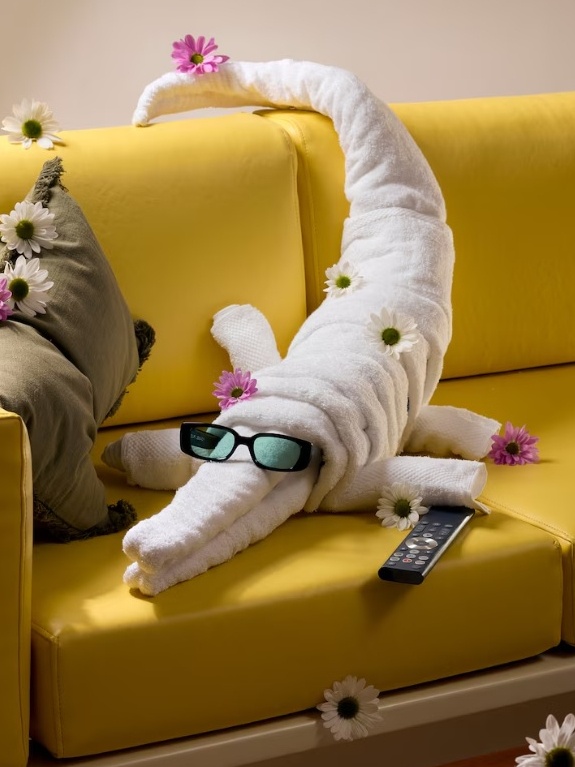
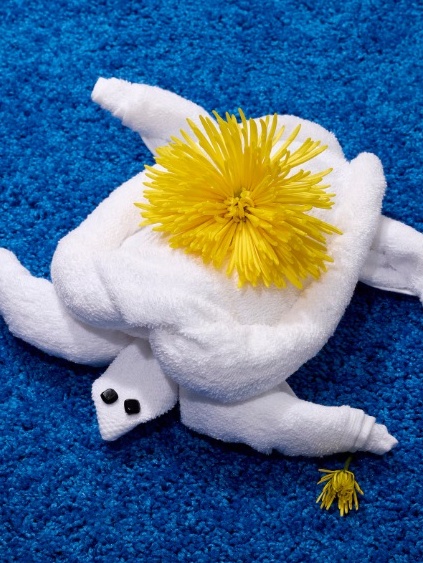
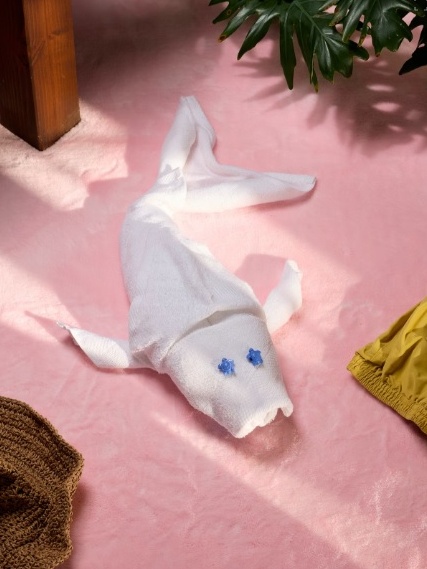
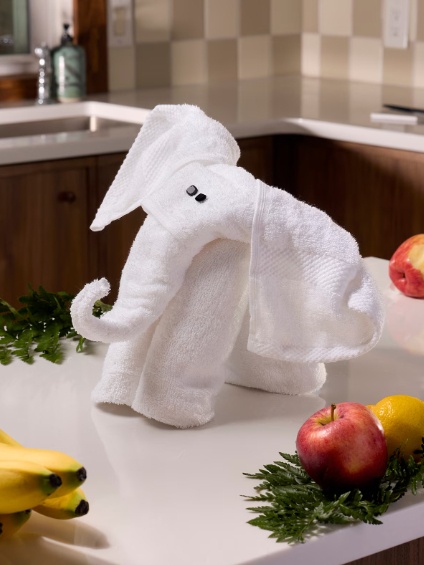
Many cruise lines and large hotels train their housekeeping staff in the art of towel folding. Photo: David Brandon Geeting.
Besides creating a positive impression, animal-shaped folded towels also help hotels promote their image naturally. When guests take photos and post them on social media, the hotel gains opportunities to reach new customers with virtually no advertising costs. Hotel service experts believe this is one of the simplest ways to create memorable moments for guests after their trip.
The history of this trend is believed to be linked to the cruise industry. According to documents about "towel animals," these animal figures made of towels became popular on cruise ships from the early 1990s and gradually spread to resorts and high-end hotels. Swans, elephants, rabbits, and monkeys are the most commonly used models because they are easily recognizable and create a cheerful feeling for passengers.
The time it takes to complete a piece depends on the complexity of the design and the skill of the staff. Simple designs like hearts or swans usually only take about 5-10 minutes, while more elaborate shapes like butterflies, octopuses, dinosaurs, or peacocks may require 10-15 minutes, or even up to 30 minutes or an hour to complete.

However, not all places maintain this tradition. In 2019, some international cruise lines experimented with reducing towel folding to save water and laundry energy. The reason is that towels used for shaping still need to be washed after use, even if guests haven't used them yet. This shows that even a small detail in a hotel can be related to the sustainable development goals of the modern tourism industry.
Nevertheless, at many accommodations around the world, swans or elephants made of towels still appear daily. They don't change the quality of the rooms, but they deliver something the hotel industry always strives for: creating a surprise moment that makes guests feel their trip is more special.