


According to Eating Well, high blood pressure forces the heart to work harder and puts greater pressure on the artery walls, making blood vessels less elastic. If left uncontrolled, this can increase the risk of cardiovascular disease, stroke, and many other complications.
Green tea is highly regarded for its catechins—a group of plant compounds that help improve blood circulation. However, it's not the only option for supporting blood pressure.

1. Red artichoke tea
The polyphenols in red artichoke help dilate blood vessels, thereby contributing to lowering blood pressure. In addition, red artichoke can inhibit certain enzymes involved in regulating blood pressure. Nutrition expert Dani Lebovitz (USA) recommends steeping the tea for 5-10 minutes to extract the maximum flavor and beneficial compounds.
2. Pomegranate juice
Pomegranates are rich in antioxidants such as punicalagin and anthocyanins. According to nutritionist Payton Brewer (USA), these compounds maintain arterial elasticity and inhibit the activity of the enzyme angiotensin – a factor affecting blood pressure. A meta-analysis showed that regular pomegranate consumption is associated with a reduction in both systolic and diastolic blood pressure.
Brewer experts recommend choosing 100% pure pomegranate juice with no added sugar.
3. Beetroot juice
Beetroot is a rich natural source of nitrates. According to expert Lebovitz, the body converts nitrates into nitric oxide, a substance that helps blood vessels relax, thereby improving blood flow. Many studies show that drinking beetroot juice daily can significantly reduce systolic blood pressure in people with hypertension.
Just 75-240 ml of beetroot juice per day can have a positive impact on blood pressure and cardiovascular health.
4. Orange juice
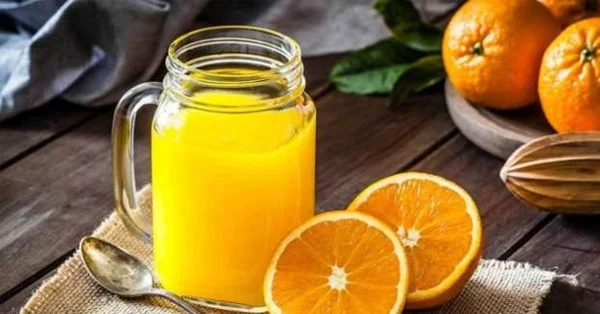
Oranges contain hesperidin, a flavonoid known for its antioxidant and anti-inflammatory properties. One study showed that people with prehypertension or stage 1 hypertension who drank 500 ml of orange juice daily for 12 weeks experienced a reduction in systolic blood pressure and pulse pressure.
However, 500 ml of orange juice a day is quite a large amount. Most fruits in the diet should still be consumed whole to take advantage of the fiber. A small glass of orange juice at breakfast or after a workout might be a reasonable option.