



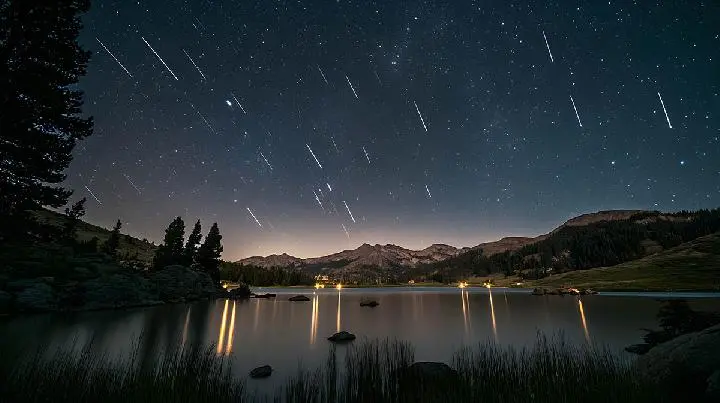
TEMPO.CO, Jakarta - The annual Perseids meteor shower will peak in the second week of August, giving skywatchers across much of the United States a chance to see one of the year's most popular celestial displays. The peak comes just hours after a partial solar eclipse visible across parts of the northern U.S.
What is the Perseids meteor shower?
The Perseids are among the year's best-known meteor showers and are one of the major astronomical highlights of August, according to DW's 2026 sky events guide. Before the meteor shower reaches its peak, a partial solar eclipse will occur, with only a small portion of the sun obscured, NASA says.
The Perseids occur each year when Earth passes through the trail of debris left by Comet Swift-Tuttle. As tiny comet particles enter Earth's atmosphere at high speed, they burn up and produce bright streaks of light, creating the meteor shower.
Under favorable viewing conditions, skywatchers may see 50 to 100 meteors per hour during the Perseids' peak, making it one of the year's most active meteor showers.
The display is also known for producing fireballs. Fireballs are exceptionally bright meteors that outshine Venus, often appearing as brilliant "shooting stars."
These bright meteors are created by relatively large fragments of rock or debris from asteroids or comets that blaze through Earth's atmosphere at extremely high speeds.
When will it peak?
The meteor shower is expected to reach its peak from the evening of August 12 through the early hours of August 13. This year's display coincides with a new moon, creating darker skies that should improve viewing conditions.
Where can you watch it in the U.S.?
The Perseids will be visible across much of the United States, with the New York Post reporting viewing opportunities stretching from North Carolina to Alaska.
Read: Two Meteor Showers Reach Peak Tonight: When and Where to Watch