



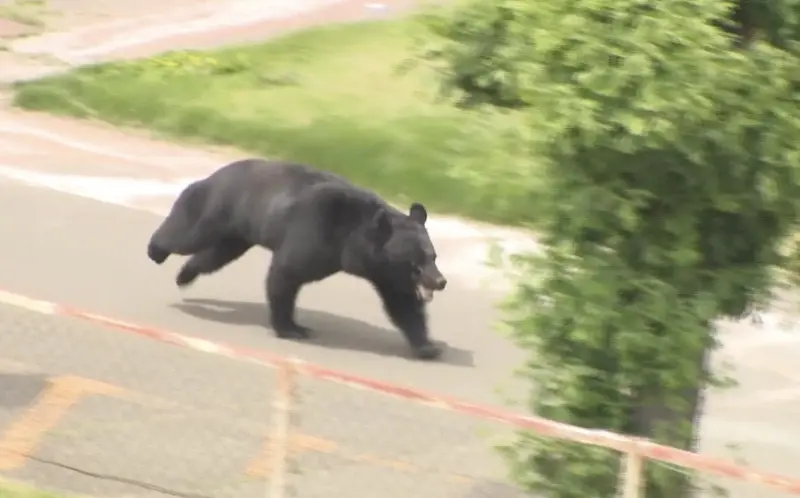
Japan has turned to four-legged robots and pepper-spraying drones to counter the rising number of bear attacks.
Conventional attempts to protect people, including safety drills, loosening hunting restrictions and military deployment, have fallen short. Residents began setting off fireworks to scare them away, but the bears continued undeterred.
Last year was the deadliest year on record for bear attacks, with 238 people wounded and 13 killed, according to the environment ministry.
Six people have been killed and 62 have been wounded since April.
The UK was among several foreign governments that have issued travel advice warning of heightened bear risk. Insurance companies have also begun offering specialised “bear insurance”.
Now, Japan is ramping up its use of artificial intelligence and drones to tackle its bear problem.
AI-generated maps are used to predict bear movements, and wolf-like robots patrol the edges of inhabited areas.
The “Monster Wolf” is a $4,000 (£3,000) solar-powered, animatronic robot that mimics the howl of the extinct Japanese wolf to scare bears away.
It was initially made for agricultural property, but more individuals are now looking at getting one for their back garden as bear attacks increase.
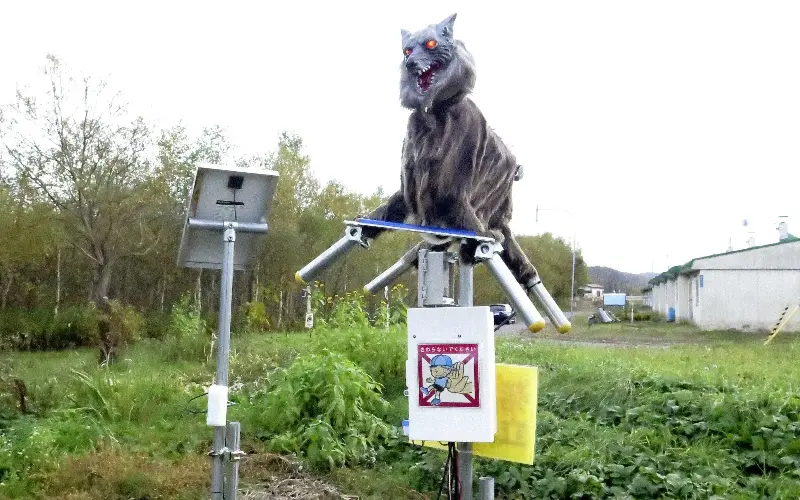
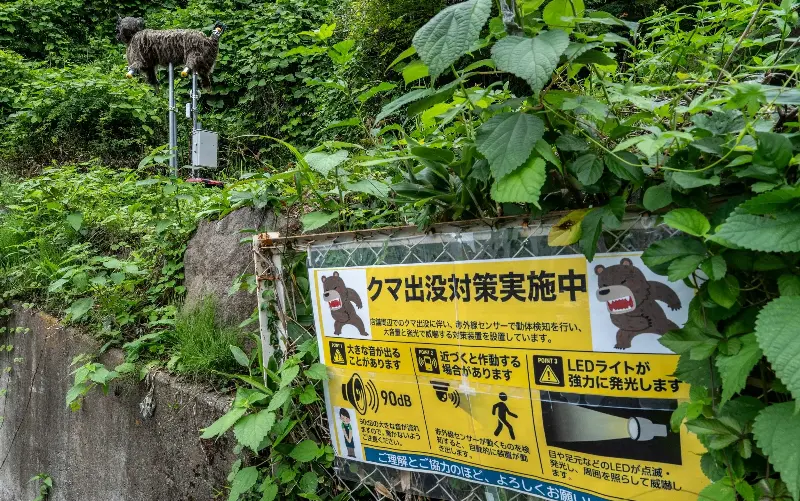
Motohiro Miyasaka, the managing director of Wolf Kamui Co, the company marketing the robot, told CNN that its sales had doubled “following the frequent sightings of bears in urban areas in Japan since last year”.
A University of Tokyo startup is creating AI-guided, four-legged robots that can climb steep slopes, pick through rubble and negotiate dense undergrowth to ward off the bears.
Drones equipped with thermal imaging cameras are used to haze bears with pepper spray containing capsaicin to drive them away.
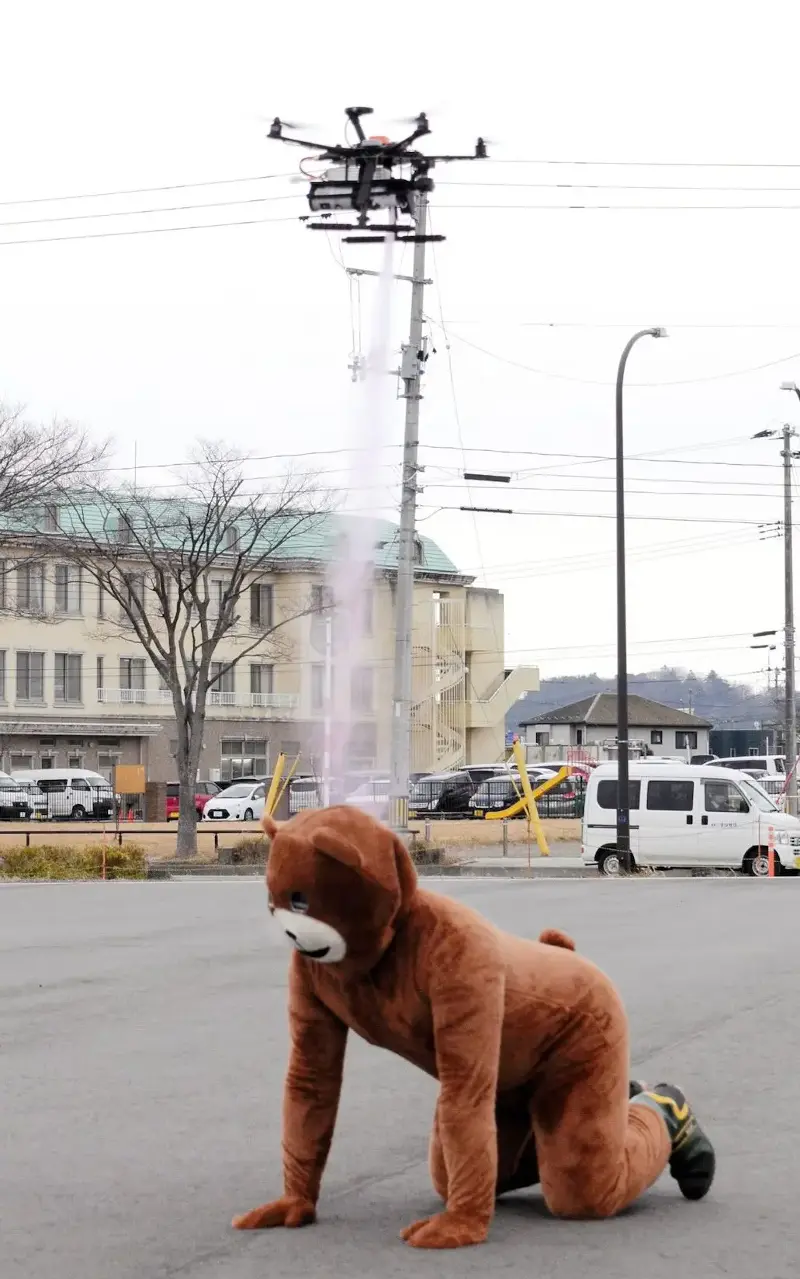
The technology has also proven effective elsewhere in the world.
In the US, a small study in Montana found drones successfully hazed bears away from human habitations 91 per cent of the time.
A record-breaking summer in mountainous regions affected the growth of beech nuts and acorns that bears rely on to fatten up for hibernation. This means the bears have to wander further for food.
Human populations in Japan’s hinterlands have been diminishing since the Second World War, when millions of young people began moving to cities. This has led to the bears being forced to descend further into more populous villages.
Municipalities across Japan are increasing deployment of new technology and guidelines to deter and manage these animals.
Under guidelines issued by Fukushima prefecture, captured bears shall either be “killed or released”, based on the damage caused and the circumstances of their appearance.