



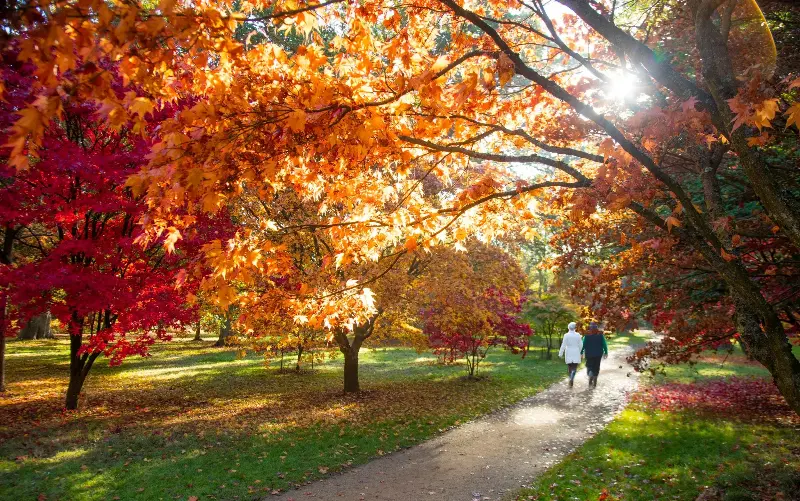
“Woods are not like other spaces,” Bill Bryson notes in his classic, A Walk in the Woods. “Their trees surround you, loom over you, press in from all sides… They are vast, featureless nowhere. And they are alive.” Bryson was writing of America – in England, there are no vast woods left. But when you’re deep in them, it scarcely matters. They feel like their own worlds, variously secretive, creepy, bountiful, pungent, raucous, silent.
Maybe more than any landscape, our woodlands change with the seasons, meaning there’s a walk somewhere that’s perfect for every time of year. Here are a few ideas.
Autumn
Linwood, New Forest
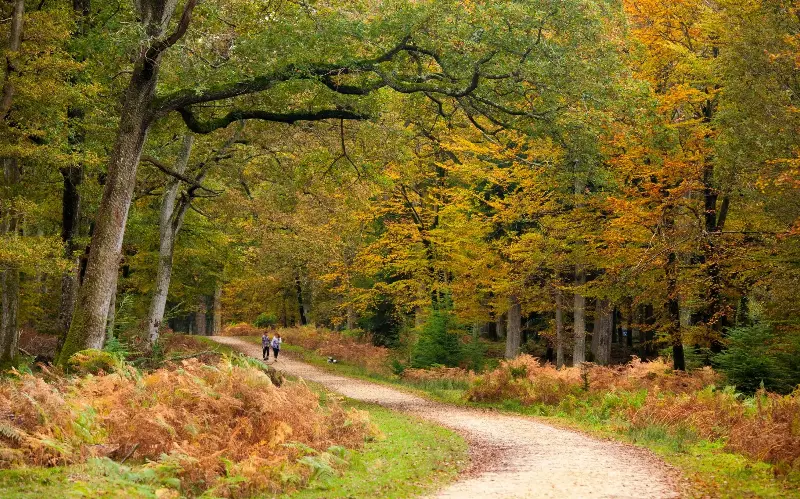
The New Forest is arguably the best spot for an autumn walk. You get autumnal colours, crunchy leaves, cosy pubs, abundant fungi, rutting deer, even nut-snuffling pannage pigs. Start from the High Corner Inn, on the western side of the national park, and loop via the peaceful woods of Broomy Inclosure, the big views of Hallickshole Hill and historic Sloden Inclosure, with a detour to the Elephant Oak, one of the forest’s most characterful trees.
- Start/end: High Corner Inn
- Duration: 7 miles; 3-4 hours
- How to do it: Buses run to Ringwood, five miles from High Corner. High Corner Inn has doubles from £130 B&B.
- Route: OS Map
Allen Banks, Northumberland

Allen Banks is awesome in autumn. Here, the fast-flowing river Allen has sliced a sheer-sided gorge through deepest Northumberland, flanked by the most extensive area of ancient woodland in the county, plus ornamental features added by the Victorians. See fiery beech and oak spilling down the valley and reflected in the man-made tarn; look out for fungi – 180 species grow here – and scampering red squirrels.
- Start/end: Allen Banks car park
- Duration: 3.5 miles; 1.5-2 hours
- How to do it: There’s a railway station at Bardon Mill, 1.5 miles away. Layside, near Bardon Mill, has doubles from £145 B&B.
- Route: OS Map
Windsor Great Park, Berkshire
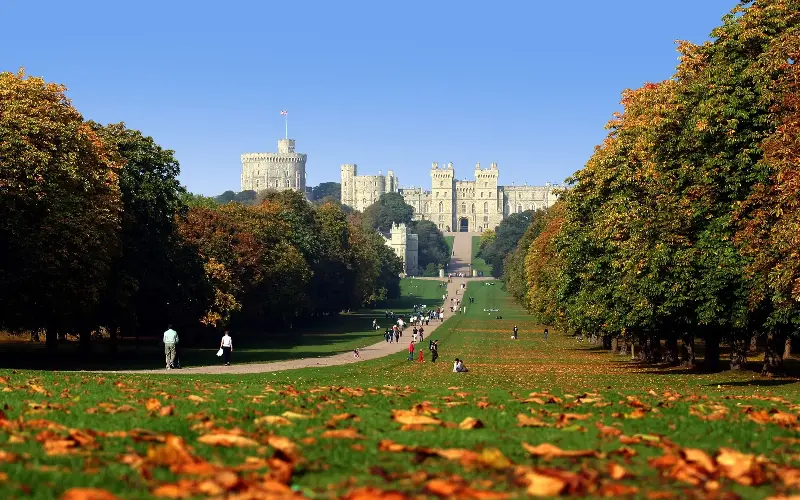
Autumn is the most atmospheric time for walking on this regal estate: the venerable oaks – some 1,000-plus years old – are bronzing and the resident red deer are at their most active. Start at Savill Garden (where you can opt to pay to see George V’s planting in full seasonal splendour), continue to Chapel Wood’s blazing maples and sweetgums, and stand atop Snow Hill for the classic view down the tree-flanked Long Walk to Windsor Castle.
- Start/end: Savill Garden
- Duration: 7 miles; 3 hours
- How to do it: Egham station is three miles from Savill Garden. Windsor’s Sir Christopher Wren Hotel has doubles from £134 B&B.
- Route: OS Map
Cardinham Woods, Cornwall
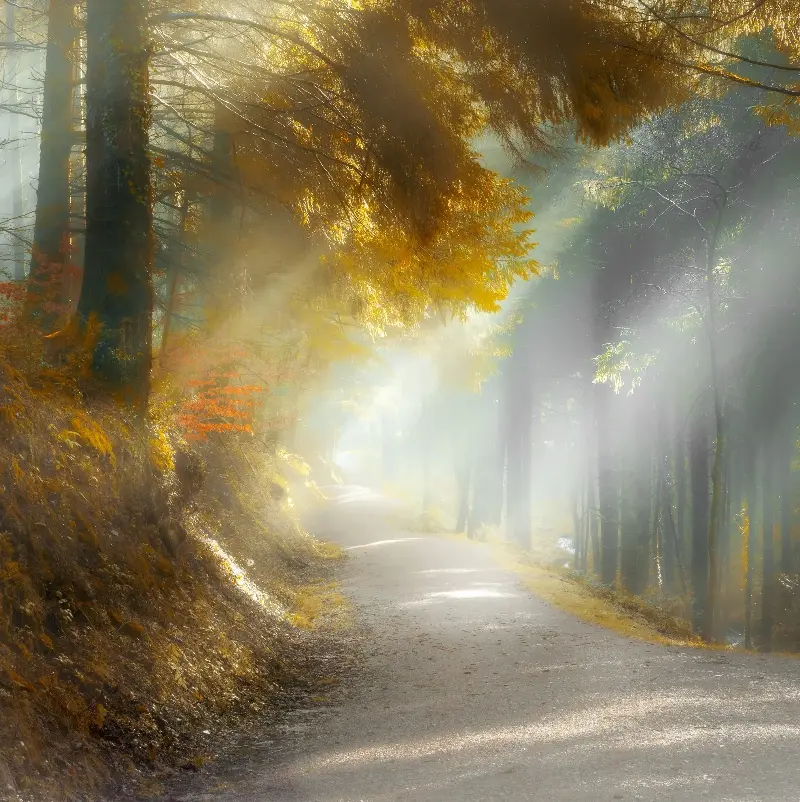
In an ideal world, you’d do Cardinham’s Callywith Wood walk in every season. The trail through this woodland patch near Bodmin winds steadily uphill to emerge at a lookout with sweeping views across the deep, tree-fuzzed valley below. It’s the perfect vantage for gauging how this mix of larch, spruce and fir plus original oak, beech, holly and hazel changes colour and texture throughout the year – though fiery, misty autumn is top pick.
- Start/end: Cardinham Woods car park
- Duration: 3 miles; 1.5 hours
- How to do it: Bodmin station is two miles west. Bodmin Jail Hotel has doubles from £144 B&B.
- Route: OS Map
Hardcastle Crags, West Yorkshire
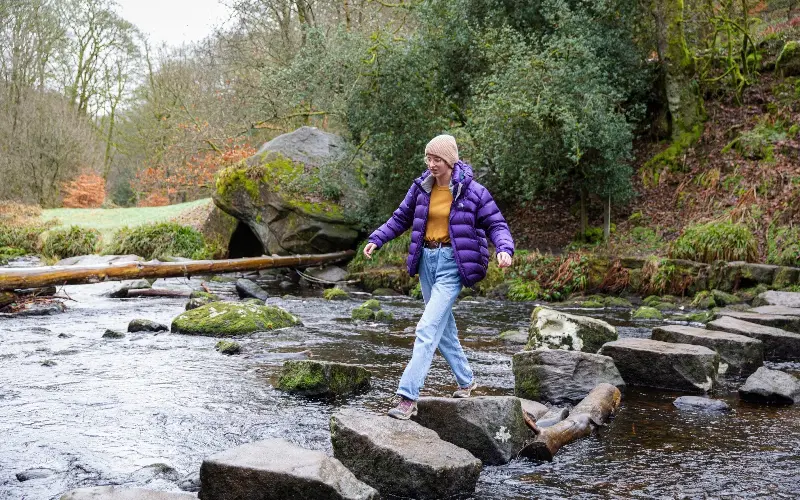
Come autumn, there’s a delightful dampness to this wonderful, winding, wooded and secretive-feeling Calderdale valley. Lichen, bryophytes and over 400 species of fungi thrive; the waters of Hebden Beck, enhanced by seasonal rain, chunter over rocks and stepping stones; mists hang over the evergreens and colour-changing beech, birch and oak. Walk one loop or combine two for a figure-of-eight, centred on Gibson Mill, for both riverside and valley-top views.
- Start/end: Midgehole car park
- Duration: 4.5 miles (or an additional two if combined); 1.5-3 hours
- How to do it: Midgehole is a two-mile walk from Hebden Bridge station. Hardcastle Lodge costs from £534 for three nights.
- Route: OS Map; OS Map
Winter
Bedgebury National Pinetum, Kent
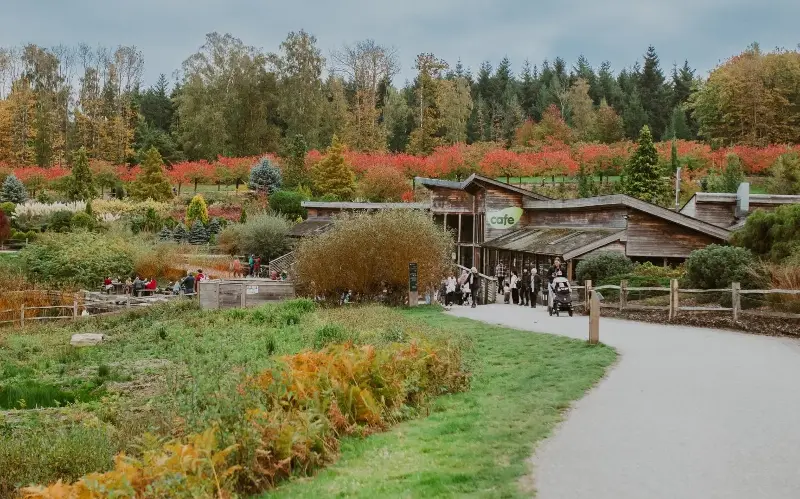
Bedgebury has one of the world’s best collections of conifers and contains over 12,000 specimen trees. This makes it a festive spot for a stroll – especially when the Christmas Light Trail is on – and a great spot for native birds, which like to shelter in the evergreens over winter. The 1.8-mile Pinetum Trail from the visitor centre covers the highlights; try a longer double loop for something more bracing.
- Start/end: Flimwell
- Duration: 7 miles; 2.5-3 hours
- How to do it: Buses from Tunbridge stop at Flimwell, 1.5 miles from Bedgebury. Downash Wood Treehouses has treehouses and cabins from £160.
- Route: All Trails
Eggerslack Woods, Cumbria
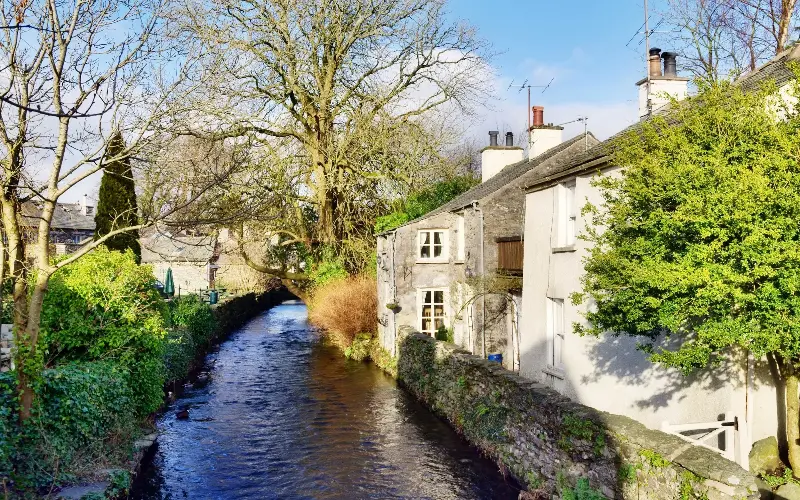
On the edge of elegant Grange-over-Sands, Eggerslack is a charming ancient woodland, its twisted trees looking particularly atmospheric in their winter nakedness. Traverse it twice on a loop that also encompasses Hampsfell – where a Victorian shelter is handy if the weather is poor – and pretty Cartmel, famed for its sticky toffee pudding (perfect winter comfort food). En route there are views north to potentially snow-dusted Lakeland fells and south across Morecambe Bay, busy with overwintering birds.
- Start/end: Grange-over-Sands
- Duration: 6.5 miles; 3-4 hours
- How to do it: Grange-over-Sands has a railway station. The Grange Hotel has doubles from £101 B&B.
- Route: OS Map
Wendover, Buckinghamshire
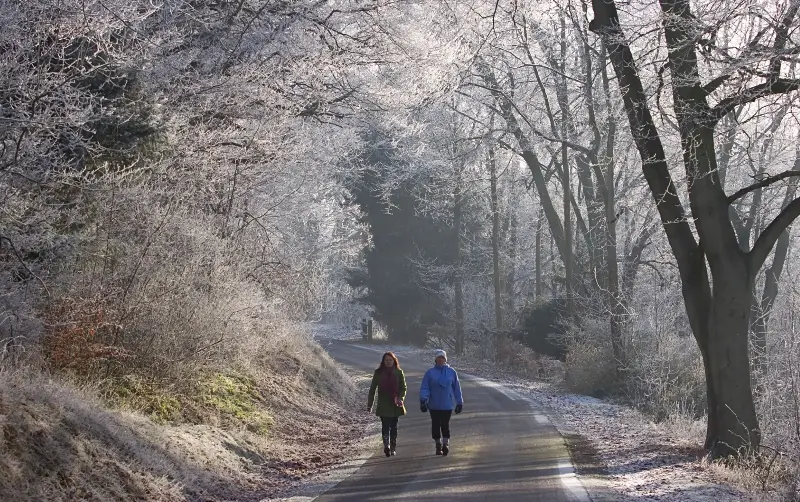
Bluebells in spring, butterflies in summer, blazing beeches in autumn – all lovely. But there’s also something super about Wendover Woods in winter, when the spruces feel festive and the bare trees afford bigger Chilterns views. Follow Forestry England’s Firecrest Trail and look out for its namesake birds: rare, bright and teeny, firecrests like to nest in Wendover’s evergreens, and are most often seen flitting about in winter.
- Start/end: Wendover Woods Forest Centre
- Duration: 3 miles; 1.5 hours
- How to do it: Wendover has a railway station. Wendover’s Bel & the Dragon has doubles from £89 B&B.
- Route: OS Map
Jackson’s Bank, Staffordshire
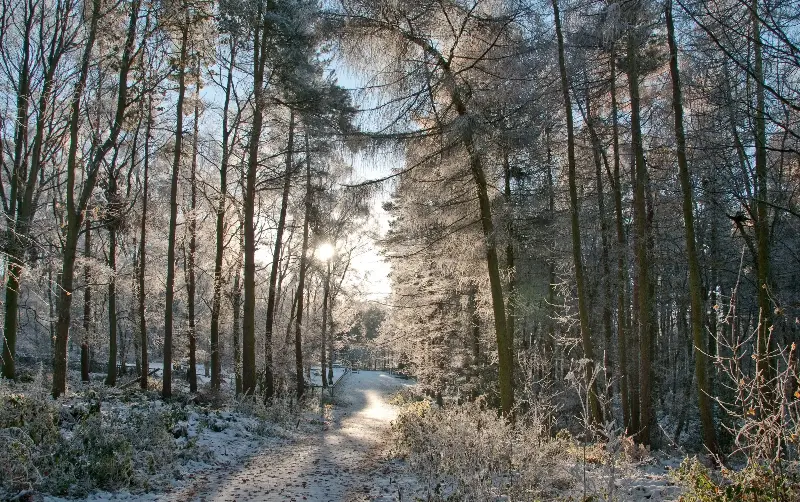
Jackson’s Bank is both part of the ancient Needwood Estate and the transformative National Forest project. Here, pockets of semi‑natural woodland mix with modern plantation, and offer lovely winter walking: holly and ivy weave amid the trees, deer are easier to spot, winter fungi flourish on fallen timber. A nine-mile leg stretch also takes in the oak and ash of Crossplain Wood and veteran trees at Byrkley Park.
- Start/end: Jackson’s Bank car park
- Duration: 9 miles; 4 hours
- How to do it: Buses between Burton‑upon‑Trent and Lichfield stop at Newborough, on the loop. Hoar Cross Hall has doubles from £320 B&B.
- Route: OS Map
Tillingbourne Valley, Surrey
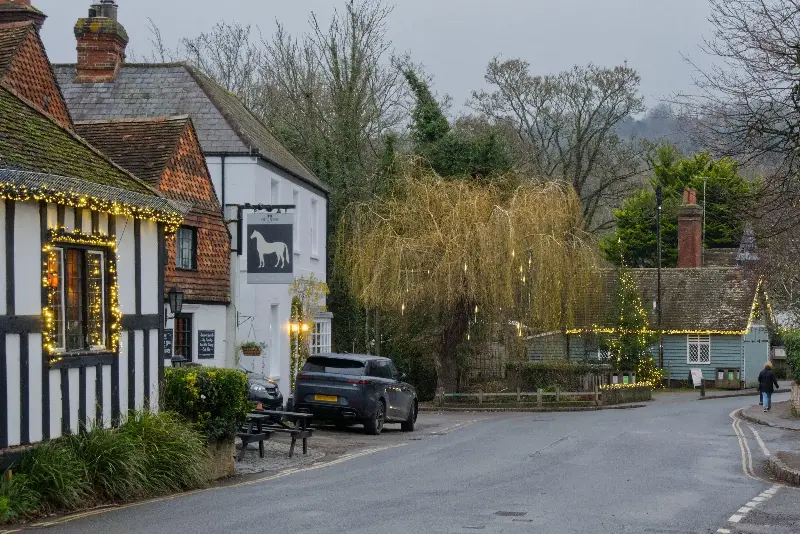
Add some Hollywood sparkle to your woody winter walk. A linear ramble between Chilworth and Gomshall combines the open heath, fresh air and evergreen pines of Blackheath Common and the Surrey Hills’ mists and skeletal trees with the picture-perfect village of Shere. It’s most famous for starring in classic Christmas movie The Holiday – warm up with a drink at the 15th-century White Horse, where Jude Law and Cameron Diaz had their first date.
- Start: Chilworth; end: Gomshall
- Duration: 6 miles; 2.5-3 hours
- How to do it: Chilworth and Gomshall have railway stations. Barnett Hill has doubles from £125pn room-only.
- Route: OS Map
Spring
Spring Wood, Lancashire
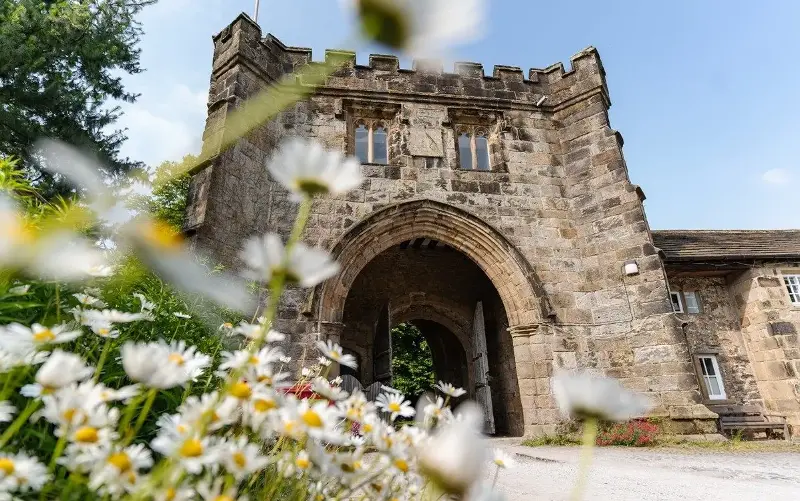
The clue’s in the name. Spring Wood is a pocket is seasonal perfection, absolutely bursting with bluebells and pungent wild garlic, and alive with the chit-chat of chiffchaffs and warblers. Start in the village of Whalley, home to the ruins of 14th-century Whalley Abbey. Then head for the woods, taking the steeper path uphill, past the arboretum, to find big views above the trees to Pendle Hill and over the Ribble Valley.
- Start/end: Whalley Station
- Duration: 3.5 miles, 1.5-2 hours
- How to do it: Arrive to Whalley by train. Whalley Abbey has doubles from £110 B&B.
- Route: OS Map
Bradfield Woods, Suffolk
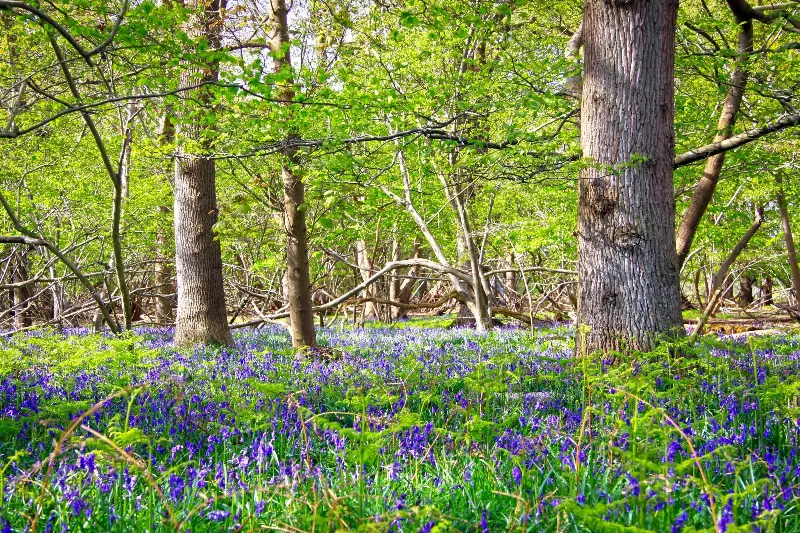
Bradfield is a brilliant bit of living arboreal history. It’s been continuously coppiced since 1252, when it was owned by Bury St Edmunds Abbey; some of its ash coppice stools are 1,000 years old. Several trails weave around the National Nature Reserve. And they’re especially appealing in spring, when the thickets are flush with bluebells, ramsons, wood anemones and yellow oxlips, Suffolk’s county flower.
- Start/end: Bradfield Woods entrance
- Duration: 3 miles, 1-1.5 hours
- How to do it: Buses (though infrequent) link Bury St Edmunds and Bradfield St George, two miles from the woods. Bury’s Angel Hotel has doubles from £178 B&B.
- Route: OS Map
Mortimer Forest, Shropshire
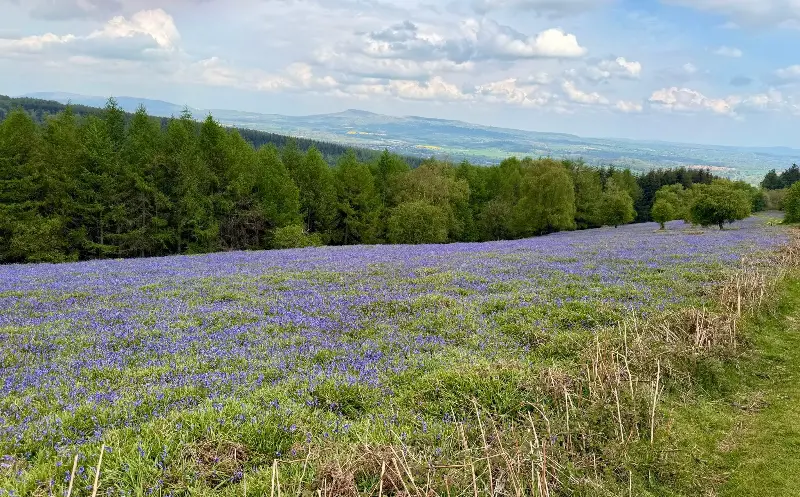
Mortimer Forest, near Ludlow, was once a royal hunting ground, and was named after the Norman lords who held sway here for 300 years. These days it’s a marvellous mix of conifers, deciduous trees, open heath and waymarked trails. The nine-mile Climbing Jack Trail offers a good day’s walk, taking in a range of habitats, plus views across the surrounding hills and, in spring, an abundance of wildflowers and skylarks.
- Start/end: Vinnalls car park
- Duration: 9 miles; 4-5.5 hours
- How to do it: Mortimer Forest is two miles from Ludlow station. The Salwey Lodge has doubles from £200 B&B.
- Route: OS Map
Brignall Banks, County Durham
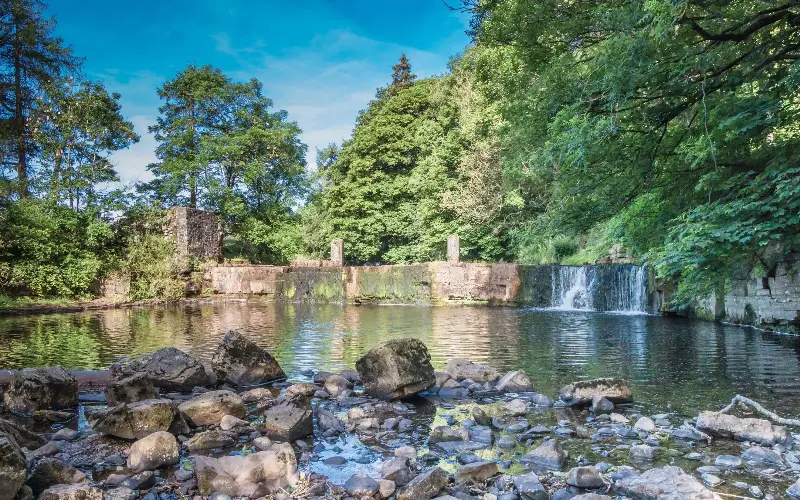
The river Greta is a gorgeous gurgle that, over the years, has inspired both Walter Scott and JMW Turner. Seek inspiration yourself on a spring walk from Greta Bridge – once a key halt on the London-Scotland coach road – following the river through a slender, steep-sided gorge lined with ancient woodland. In spring, it’s freshly awakened, rudely green and awash with wildflowers, from cheery primroses and flushed-pink campion to early orchids.
- Start/end: Greta Bridge
- Duration: 7 miles, 3.5-4 hours
- How to do it: Buses link Barnard Castle and Richmond, stopping at Greta Bridge. The Morritt Hotel has doubles from £65 room-only.
- Route: OS Map
East Harptree Woods, Mendips
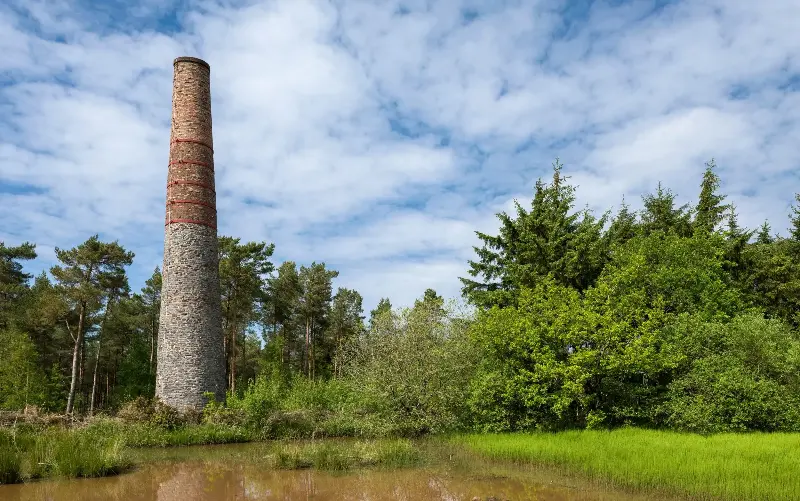
This little loop packs in a lot: a prehistoric ochre mine, the chimney of an old lead mine, the remnants of Richmont Castle and fine Chew Valley views. It also delves into East Harptree’s coniferous woods as well as a contrasting narrow combe filled with old ash, oak and hazel, frilled with ferns and mosses – particularly beautiful in spring. There’s a good community village pub, too.
- Start/end: East Harptree
- Duration: 3.5 miles; 1.5-2 hours
- How to do it: The X91 bus from Bristol stops at East Harptree. The Queens Chew Magna has doubles from £145 B&B.
- Route: OS Map
Summer
Broxa Forest, North York Moors
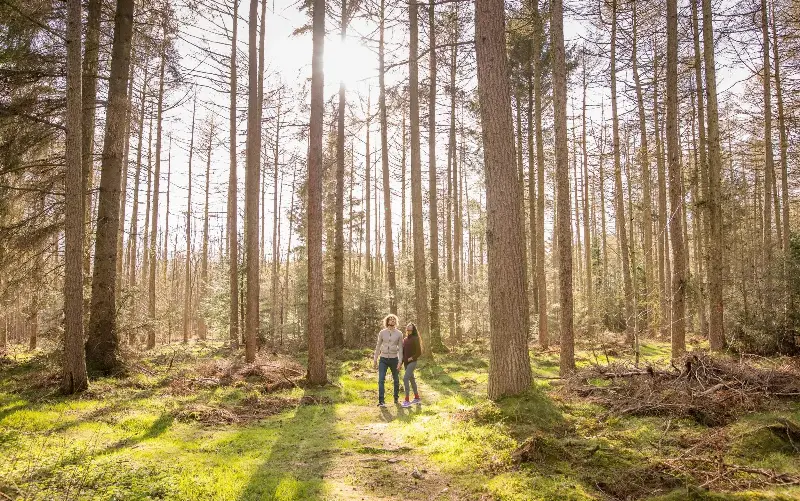
You’ll find good views and welcome shade in this sprawling mixed woodland in the North York Moors National Park. You may also find nightjars: Broxa is a key spot for these rare birds, which fly in from Africa in early summer. They emerge at dusk to feed – listen for their churring calls, look out for their courtship dance. Plot your own walk, or join one of Yorkshire Coast Nature’s Nightjar Safaris.
- Start/end: Reasty Bank
- Duration: 5.7 miles, 2.5-3 hours
- How to do it: Reasty Bank car park is six miles from Scarborough. Prospect House Farm has glamping lodges from £370 for two nights.
- Route: OS Map
The Undercliff, Devon/Dorset
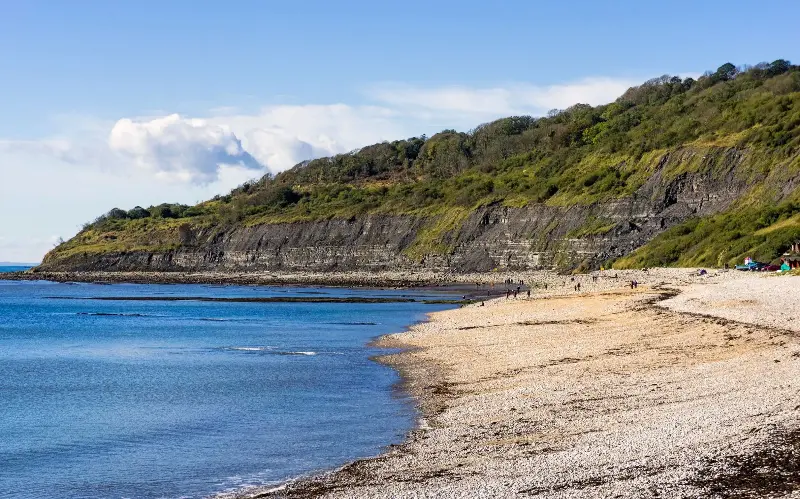
Created by a series of monumental landslips that saw bits of Jurassic Coast crash to the sea, the Undercliff is like a slice of the tropics on home soil. The area has its own microclimate and a rainforest feel, complete with twisted trees, Hart’s-tongue ferns, mossy rocks, rare orchids and bountiful butterflies. Negotiate it via a section of the South West Coast Path for a shady and exotic summer stroll.
- Start: Seaton; end: Lyme Regis
- Duration: 7 miles; 3.5-4.5 hours
- How to do it: The X53 bus connects Lyme Regis and Seaton. Lyme Regis’s Alexandra has doubles from £215 B&B.
- Route: OS Map
Clumber Park, Nottinghamshire
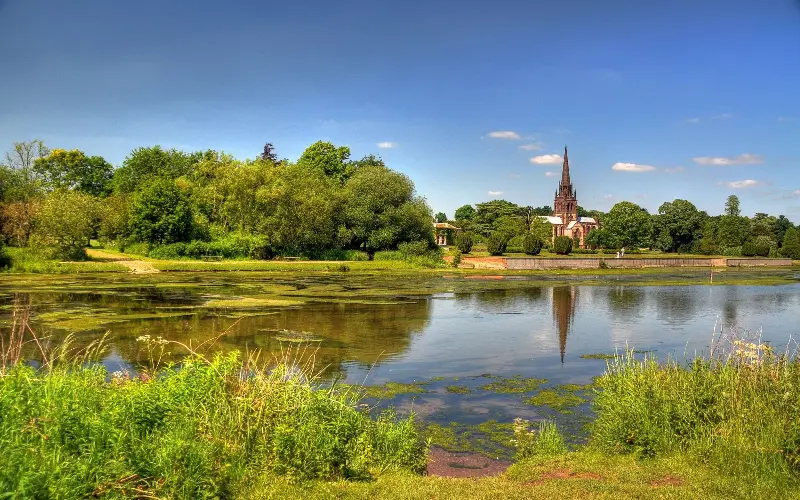
There’s a lot of lovely landscape to explore at this former ducal estate, sliced out of Sherwood Forest – not least the longest double lime tree avenue in Europe, which is more than two miles long and particularly blossomy and aromatic in June and July. There are numerous routes you could take, like a 5.5-miler, focusing on the park’s quieter north, which combines the limes with mature woodland trails, grazing longhorn cattle and lakeside strolling.
- Start/end: Clumber Park Clock Tower
- Duration: 5.5 miles, 2.5-3 hours
- How to do it: Buses link Nottingham and Worksop to Carburton, 2.5 miles from Clumber. Clumber’s Kitchen Garden Cottage costs from £399 for three nights.
- Route: OS Map
Gelt Wood, North Pennines
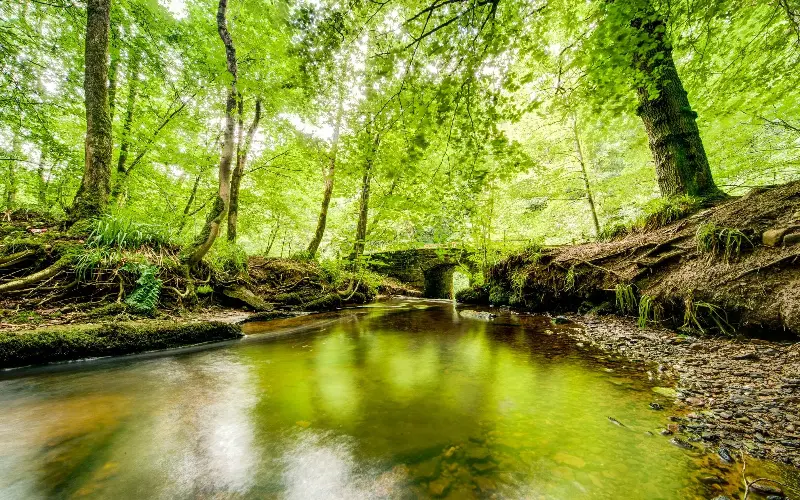
The North Pennines National Landscape’s route in Gelt Wood is a designated “Slow Trail”, walks that encourage you to stop, sense and listen. It links the river Gelt (from the Gaelic, meaning “he who goes mad from terror”), bogland, temperate rainforest and ancient woods, home to many mosses, ferns and lichens, as well as a quarry first worked by the Romans.
- Start/end: Car park near Brampton
- Duration: 2.5 miles, 1 hour
- How to do it: Brampton has a railway station. Farlam Hall has doubles from £239 B&B.
- Route: OS Map
Woodchester Park, Gloucestershire
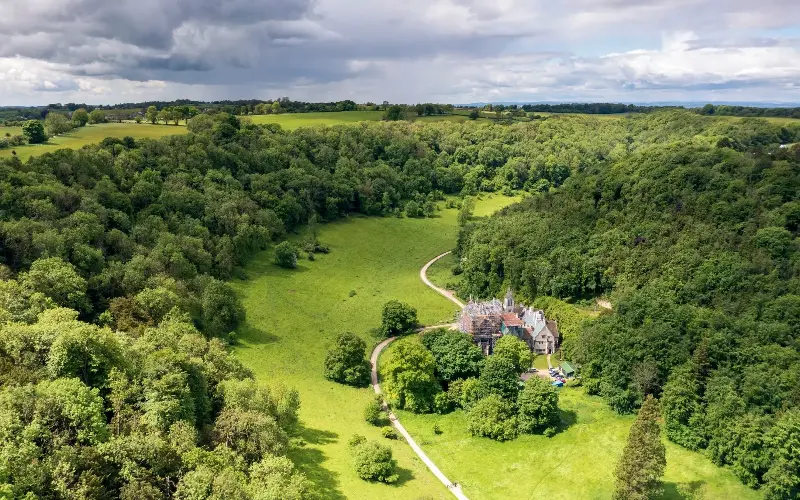
Woodchester is tucked in the Cotswolds, but feels like a world unto itself. This secluded, green valley is home to the remnants of an 18th-century landscape park, a string of five lakes and an unfinished Victorian Gothic mansion, now home to a colony of bats – walk by at dusk on a dry summer day and you might spot them. Summer also brings out bright wildflowers and other interesting insects, including scarlet tiger moths and peacock butterflies.
- Start/end: Buckholt car park
- Duration: 3.5 miles, 1.5 hours
- How to do it: Buses run from Gloucester and Stroud to nearby Nympsfield. Woodchester Valley Vineyard has suites from £165.
- Route: OS Map