



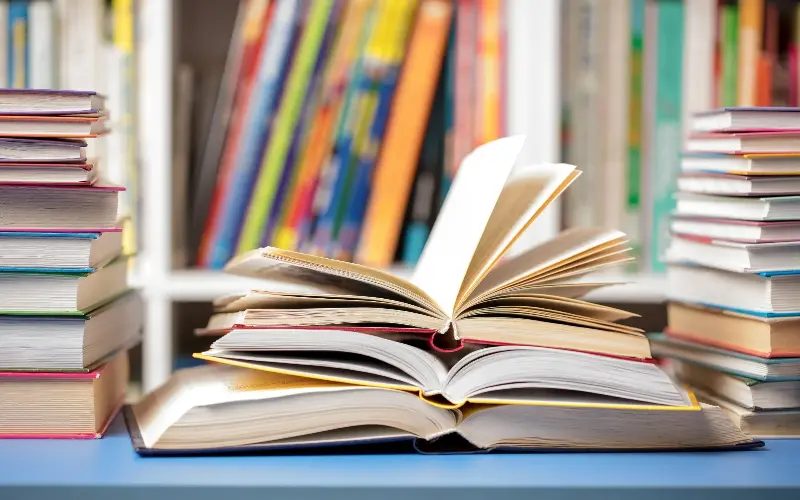
My late father first introduced me to book collecting, in what now seems like a vanished world of dusty second-hand bookshops, country auction houses that would sell assorted boxes of books from clearances for a nominal price and, best of all, sales in draughty church halls and at village fêtes where you stood a chance of acquiring a real bargain.
Even as a teenager, I was snapping up lavishly illustrated books with beautiful colour plates by Arthur Rackham and Edmund Dulac, not least the former’s stunning Alice’s Adventures in Wonderland, and, if I was really lucky, picking up first editions by some of my favourite authors.
Evelyn Waugh, Graham Greene, John Betjeman: if you knew where to look, or if you were just lucky, you could acquire first-edition titles by all of them for the same price, or even less, than you would pay for a new paperback copy of the same book from your local Waterstones.
When I was an impecunious student, I ended up selling many of these books on eBay to keep myself going. It has been a circular goal to buy these books back, albeit at a rather higher price than I paid three decades ago.
All of that explains my love for hardbacks. But if you’ve grown accustomed to walking into your local bookshop to see a pile of tempting-looking hardback books, begging to be purchased, then you might be in for a grim awakening.
The industry, already reeling from the rising prices of book production, is increasingly pivoting to a sales strategy that is putting greater emphasis on paperback and e-book publication and less towards beautifully produced, and inevitably more expensive, hardback titles.
As the average price for hardbacks has gradually risen from £20-£25, cash-strapped book buyers are turning away from them to lighter, more compact paperbacks, which can be sold at a lower price.
I accept that, as a committed bibliophile, I am in a shrinking minority. While the sales of books in this country remain blessedly healthy, it is largely paperbacks that are selling, whether in independent shops, groups such as Waterstones or on Amazon. The latter, of course, has also driven sales of downloadable e-books and, through its Audible subsidiary company, audiobooks.
If simultaneous publication in hardback and paperback ever becomes the norm, then book buyers, faced with three cheaper options, are unlikely to opt for the most expensive.
But if the e-book ever becomes the dominant mode of reading – it’s not yet, but who knows what will happen – then, like streaming music, purchasers are placing an awful lot of faith in big business to allow them to retain access to their titles.
E-books can be edited – or “updated” – by publishers or retailers at will, and, if need be, simply deleted altogether.
By contrast, once a hardback title is purchased, it is the book buyer’s to keep for as long as they want. It may be weightier, in all senses, than a paperback, but it has a solid sense of permanence lacking from other formats. And that is why they should be treasured.
If hardback books vanish from our shops, then we will have lost something precious. Anyone who cares about the written word, and how we consume it, should regard this as a potential tragedy for any reader.