



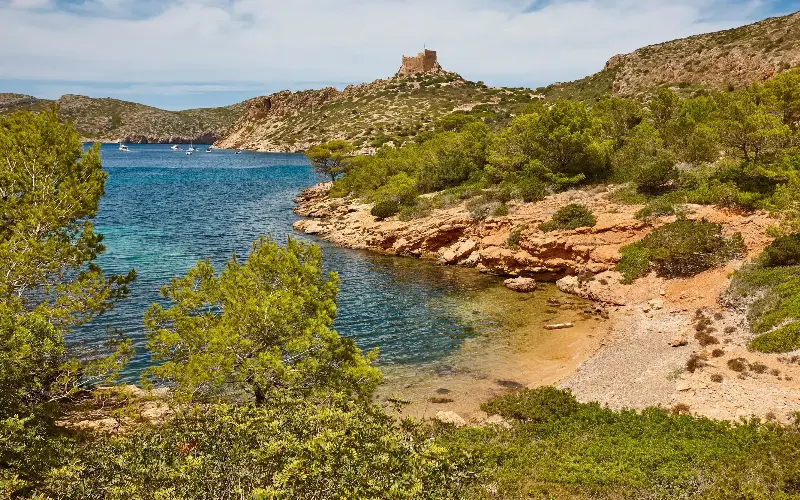
With its rugged coastline, sandy beaches and clear sapphire waters, Mallorca is one of the jewels of the Mediterranean. Away from the coastline’s sheltered coves and dreamy sunsets, you’ll find the agricultural heartland and the Tramuntana mountains – a Unesco World Heritage site blossoming with orange, lemon, olive and almond trees.
The capital, Palma, provides cultural attractions and chic boutiques aplenty – while the coastal and inland villages offer charm and authenticity. Surprisingly, Mallorca wasn’t always such an idyll, with a tempestuous history that has witnessed countless assaults from the Carthaginians, Romans, Vandals and Moors. All the same, that rich combination of cultures has created the cosmopolitan, welcoming, and open society of islanders today.
In this guide:
How to spend your holiday
The perfect one-week holiday in Mallorca
The joy of Mallorca as a holiday destination is that it’s relatively small – 62 miles (100km) from west to east and 46 miles (75km) from north to south – so it’s easy to explore several areas during a one-week stay.
Starting in the less known south-east, consider spending a couple of nights at showstopping Son Julia in Llucmajor, Fontsanta with its unique natural thermal springs or rural Son Mas near Porto Cristo. Another gem is the luxurious Can Ferrereta in Santanyi. All offer a practical base for visiting sights such as Artestruz, home to endearing ostriches in Campos; Botanicactus, the botanical garden in Ses Salines, which has 15,000 plant specimens; and the ancient salt pans of Es Trenc.
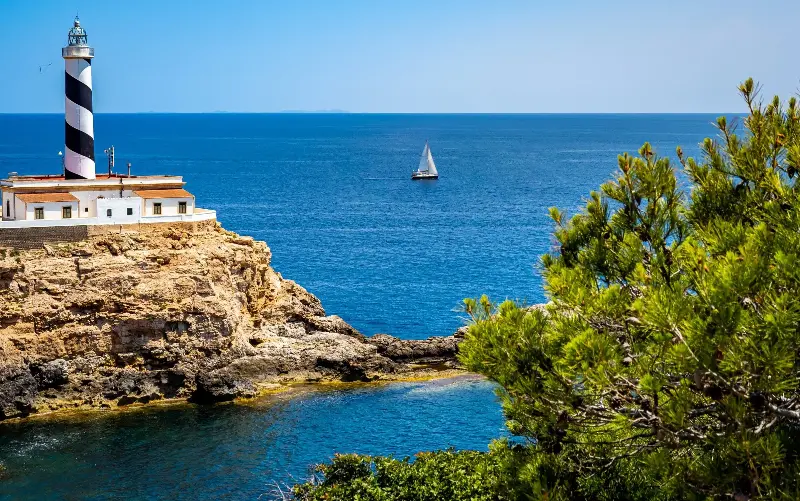
I highly recommend a sail to the national park of Cabrera or a visit to the underground lake at the Drach Caves in Porto Cristo. Most boats will make a detour inside the Blue Cave. Sheltered by rocky walls on three sides, the water is a vibrant blue and is perfect for snorkelling or a cool dip – so bring your swimwear and towel. Unspoilt beaches abound here such as Playa Es Caragol in Ses Salines and tranquil Cala Varques near Porto Cristo.
Enjoy affordable tasting menus at Tomeu Caldentey Cuiner in Sa Coma, home to Mallorca’s first Michelin-starred chef. For shopping, pop by the lively Ses Salines, or the Saturday market in Santanyi where on summer nights you can enjoy cocktails at welcoming Sa Cova.
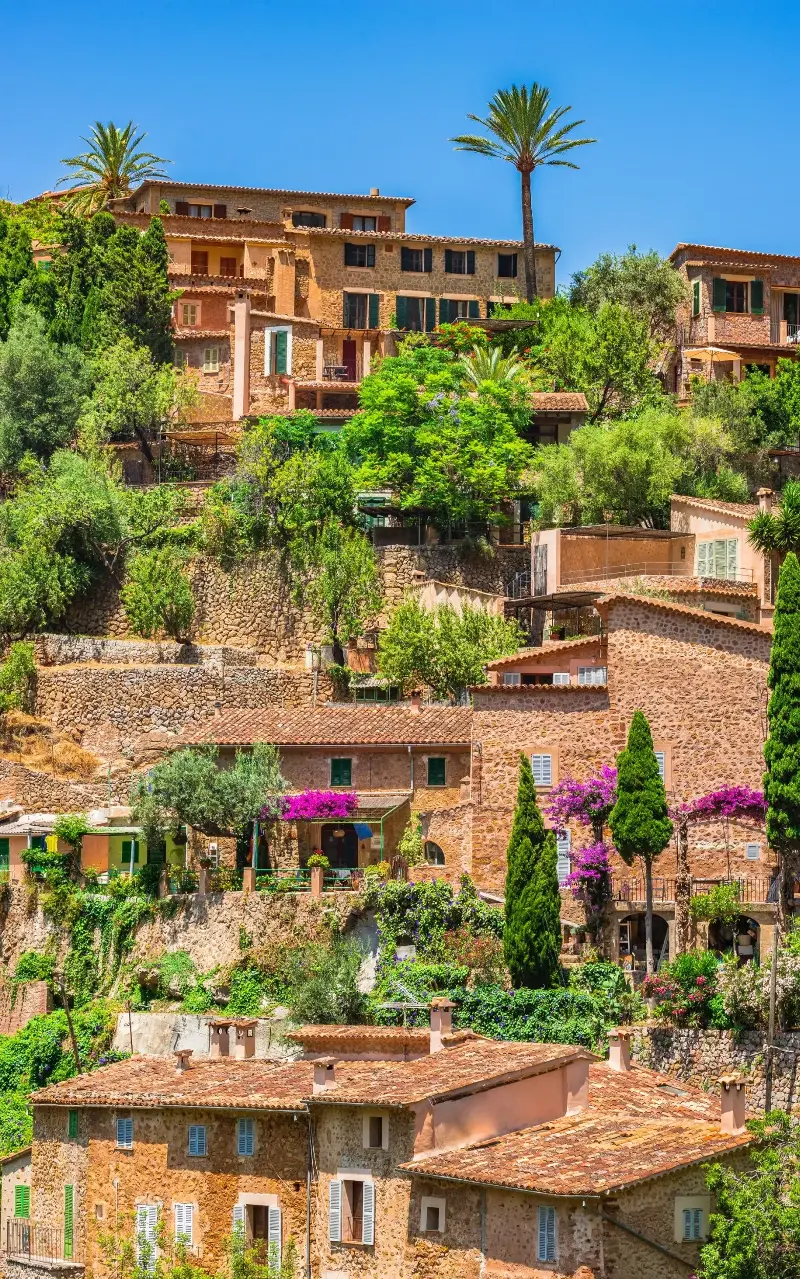
Now it’s time to head to the picturesque and mountainous north-west, starting in the pretty town of Valldemossa. Choice hotels include rural hideaway, Hotel Valldemossa, and in the village of Deià, deluxe five-star Belmond La Residencia or popular Es Molí. In Sóller, opt for good value hotels such as Soller Plaza or in the port, more luxurious Jumeirah Port Soller and Esplendido. In Valldemossa a visit to Celda de Chopin – the atmospheric Carthusian monastery where Frederic Chopin and his lover George Sand spent the winter of 1839 – is essential.
Your next stop – on the outskirts of the village of Deià – is La Casa de Robert Graves, erstwhile home of the English poet from 1932 until 1985. Practically opposite, take the steep and winding road to iconic Cala Deià where Graves used to take a briny dip. For an enjoyable, laid-back lunch, try Groenk Bistro & Grill, and for a late night tipple with the in-crowd, head to laid-back Sa Fonda in the centre of Deià.
Feeling adventurous? Head for Son Marroig estate near Deià, ditch the car, and follow signs to Bar Sa Foradada – a 40-minute stroll to a rocky cove. Swim in the crystal-clear waters, climb up to the famous Foradada rock, or simply feast on seafood paella cooked on a wood-fired grill in Sa Foradada restaurant.
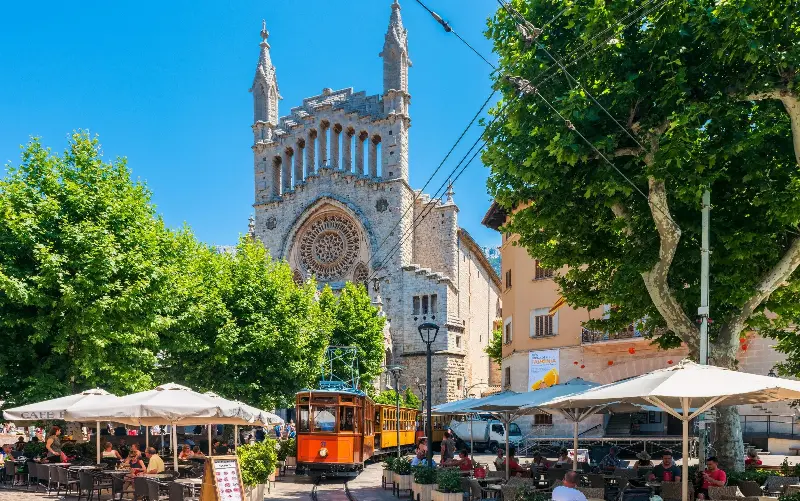
In Sóller, tour the tranquil Moorish Jardins d’Alfàbia that include a spectacular pergola with 72 columns and 24 stone hydras. In the town, take the historic Sóller train through musty, cool tunnels and over bridges into Palma. It offers a one-hour thrilling ride in the heart of the Tramuntanas. Sóller’s bustling market is a must on Saturdays where you can enjoy a fresh orange juice on the main plaça at Café Soller.
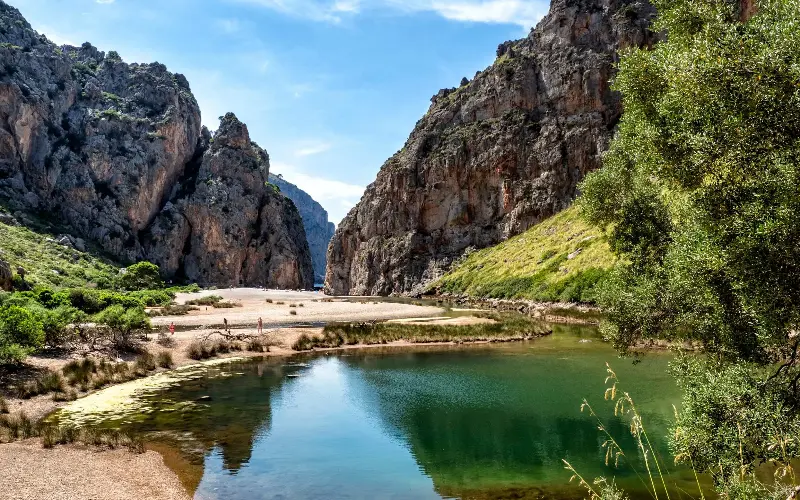
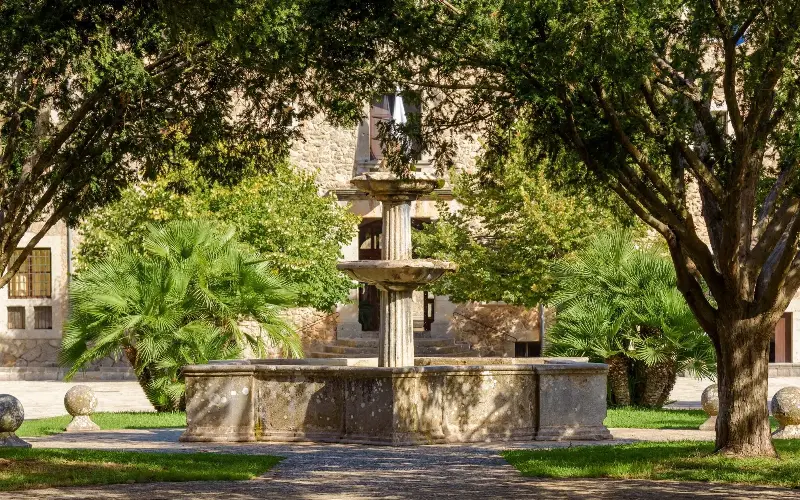
The island’s northern villages and towns are often overlooked yet are thoroughly worth exploration especially for hiking and bike tours. Good value hotels include Finca Son Arnau in Selva and Finca Son Beneït – which possesses 100 hectares of forestland – in Binibona. Further north in Pollença is simple L’Hostal offering exceptional value, exclusive boutique, Can Aulí and historic Illa D’Or. For luxury options in the area book into Son Brull, El Vicenç de la Mar on the coast or The Lodge near the rural town of Sa Pobla.
Go hiking or biking in the Tramuntanas with a stop at Lluc monastery. The Sunday market in Pollença town followed by coffee and healthy snacks at Dodo Granel Café is a popular option, as is exploring the large Thursday street market in Inca. Mallorcan crafts such as Ikat cushion covers can be found at Teixets Vicens in Pollença or Riera in Lloseta. Finish with dinner at family restaurant Ca N’Ignasi in Inca.
When to go
Fortunately Mallorca enjoys mild temperatures all year round, but micro-climates exist in different areas of the island. For example, it can be raining in the north-west while it’s sunny in Palma. For outdoor pursuits, the ideal time to visit is in the spring or late autumn when the feverish summer heat has abated.
During July and August Mallorca is extremely hot and crowded. The island’s festivals include Moros y Cristianos (Moors and Christians) – a fun re-enactment of a famous battle between locals and Turkish pirates – which takes place in Sóller in mid-May. A different version is performed in Pollença in August.
Sóller’s popular Fira de la Taronja (orange festival) usually falls in April, bringing citrus-inspired menus to many restaurants and fruit displays to the town square. In late August, its famed Nit de Foc – night of fire – sees locals dressed as devils with drum, dance and firework displays. Such devil-fests are also held in Palma and other rural towns.
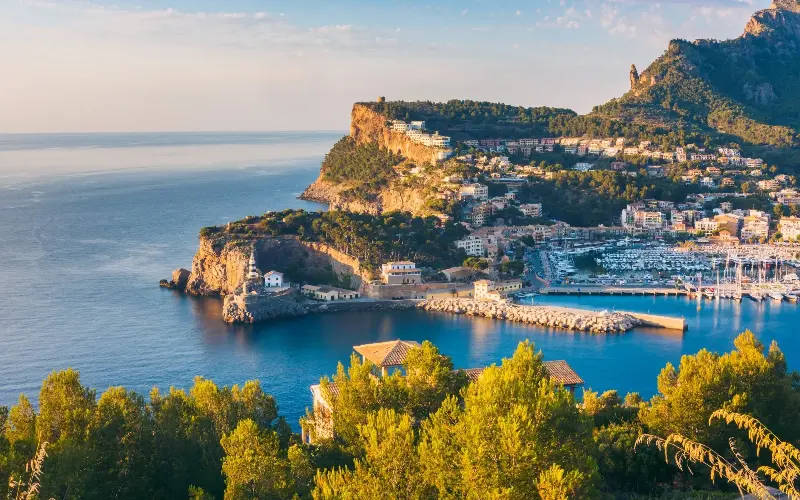
Where to stay
Best for a romantic seaside escape
For the ultimate romantic getaway in an idyllic seaside location, it would be hard to trump luxurious Can Simoneta (doubles from €350 (£300) per night) perched on cliffs overlooking the Bay of Canyamel. Meanwhile, former military fort, Cap Rocat (doubles from €467 (£400) per night), offers exclusivity, peace and pampering in Palma Bay.
Best for a blissful bucolic retreat
Two rural boltholes that offer exceptional peace are historic Finca Can Beneit in Binibona (doubles from €385/£325 per night) set in 70 hectares of lush forestland and Fontsanta (doubles from €318/£254 per night) in Campos, which has the only natural thermal spring in the Baleares.
Best for luxury
When it comes to inland historic townhouse hotels, deluxe sanctuary Can Ferrereta (doubles from €315/£262 per night) in Santanyi and smart Can Auli (doubles from €259/£222 per night) in Pollença rule the roost. Both offer privacy, comfort, and warm and personalised service.
FAQs
What language is spoken in Mallorca?
Although Mallorcans speak Castilian Spanish, they are proud of their own language, Mallorquí, a dialect of Catalan. Road signs and public notices will often be written in Mallorquí.
What time is dinner eaten?
Mainly owing to warm weather, locals tend to dine late: around 2pm for lunch, and 9pm (or later) for evening dinner.
Do I need to tip?
Tipping is at a client’s discretion, but 10 per cent is considered acceptable.
Is there public transportation?
There is a reasonable bus and train network which connects most parts of the island, but during the summer buses are often very busy – so get in the queue as early as possible. For timetables, contact TIB; tib.org.