



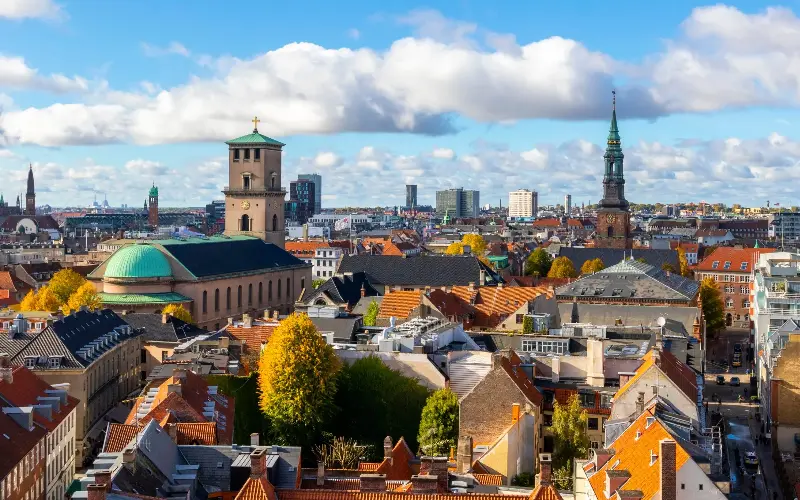
Copenhagen always ranks highly in surveys of the world’s best cities, and little wonder. Size certainly helps – it’s big enough to have world-class museums, restaurants and attractions, yet small enough to make them easily accessible.
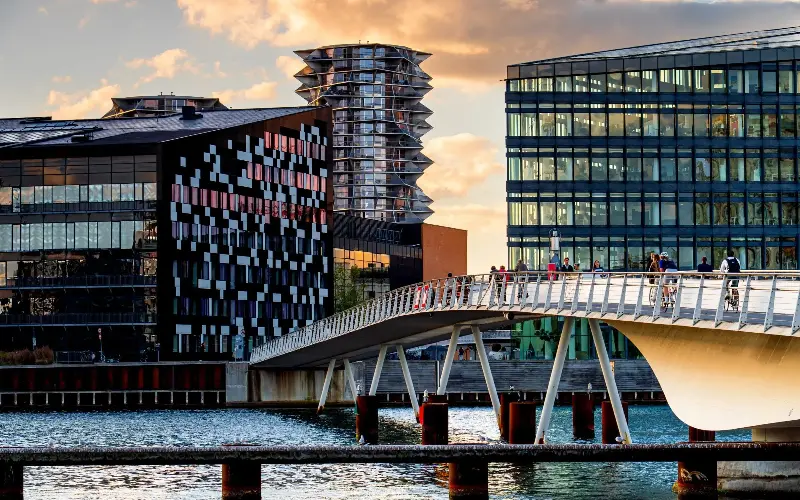
Then there’s its unerring ability to blend quaint and cool. One minute you’re in Indre By or Christianshavn, strolling along a cobbled street with roses and hollyhocks growing out of the pavement; the next, you’re discovering angular 21st-century architecture along the revitalised waterfront or hopping between the indie boutiques and bars of Vesterbro and Nørrebro.
In summer you can hit the beaches and harbour pools; in winter, wander festive streets strung with fairy lights and get your hygge fix in cosy, candlelit cafés. There’s cool design at every turn, the food scene is buzzing, and just about everyone speaks English.
The Danes take quality of life seriously and it shows – Copenhagen is a city success story that really works for locals and tourists alike. Here’s how to make the most of it on a weekend city break.
In this guide:
How to spend your weekend
Day one: morning
Start in the cultural quarter, home to big-hitting attractions including the Ny Carlsberg Glyptotek and the National Museum of Denmark, where the shop is good for Viking-themed gifts. Quieter and well worth a visit is Thorvaldsens Museum, dedicated to Denmark’s most famous sculptor, which has artworks displayed beneath extraordinary ceilings.
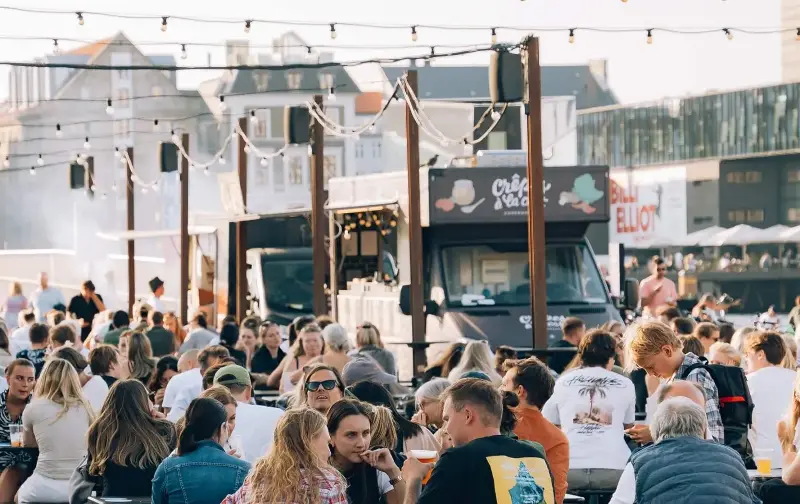
Head past Børsen, the former stock exchange, which is still undergoing reconstruction after a major fire in April 2024 toppled its famous spire of twisted dragon tails. Then cross the canal to Havnegade, following the waterfront promenade – and stopping off for a quick bounce on the trampolines set into the pavement – to Inderhavnsbroen, the Inner Harbour Bridge. On the far side of the bridge, the stalls of Broens Street Food are perfect for a casual lunch.
Afternoon
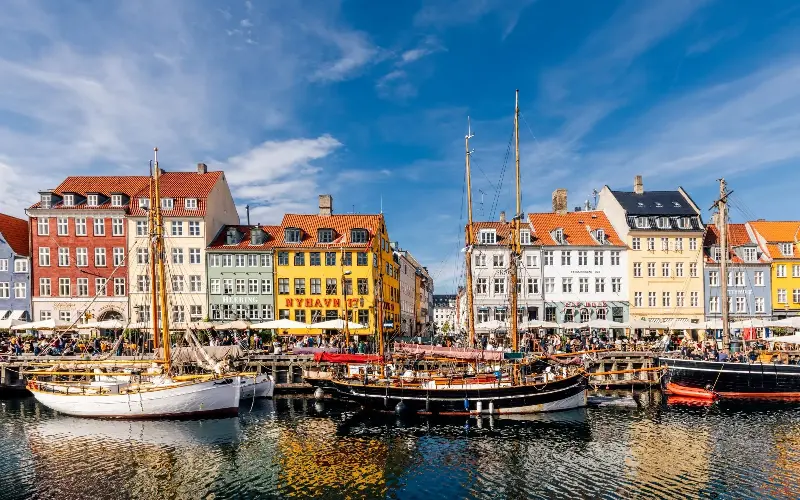
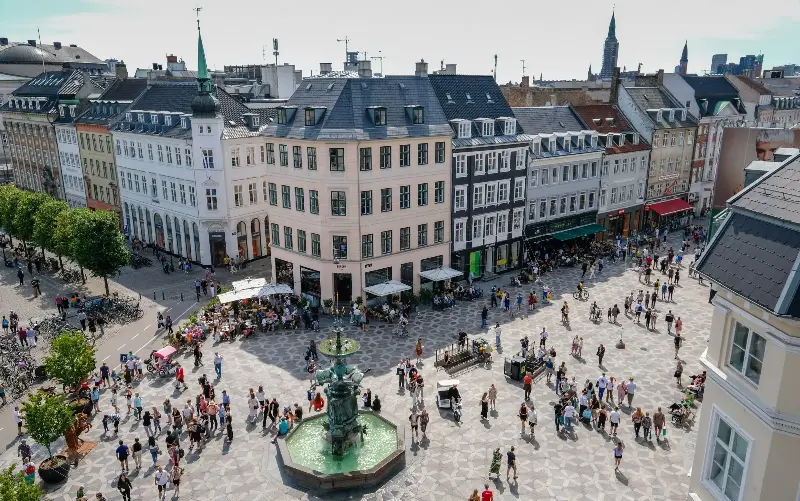
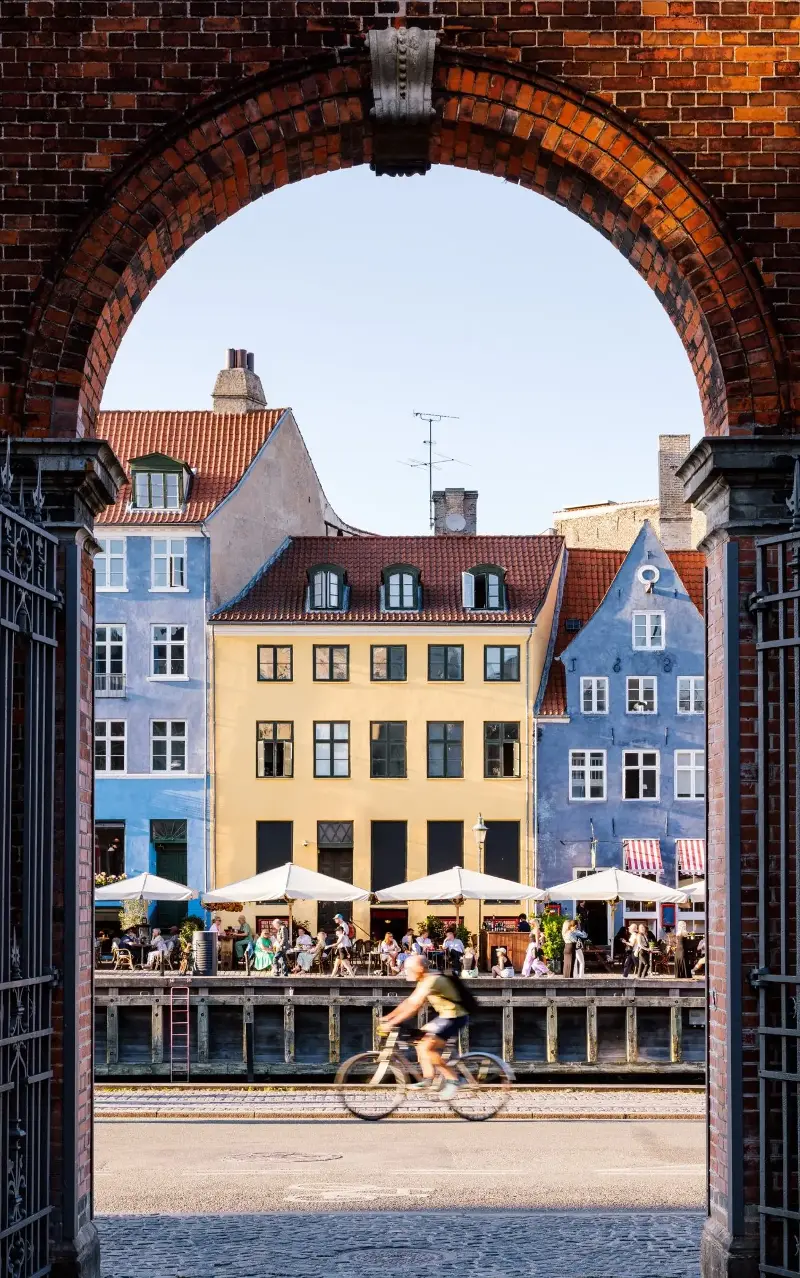
Cross back over the bridge to Nyhavn, probably the most photographed spot in town. A stroll along the quayside, lined with restaurants and bars, brings you to Kongens Nytorv and, on the far side, the main central shopping district including the long, pedestrianised stretch of Strøget, which starts just to the left of Hotel d’Angleterre. Here you’ll find the super-swish Illum department store, where concessions include several Danish fashion brands, and nearby Georg Jensen filled with supremely covetable silverware.
For quirkier independents, fork off south into Strædet, with its small ceramics and jewellery stores, or dive into the network of streets on the north side. Hidden away amongst them is Gråbrødretorv, an attractive cobbled square with plenty of bars for a mid-shop pit-stop. If the weather’s fine, Huks Fluks, on the sunny side of the square, is a good place to sit at one of the outdoor tables and watch the world go by.
Late
As night falls, head for Tivoli Gardens. The 180-year-old amusement park is at its most magical after dark, sparkling with fairy lights, lanterns and soft-glow bulbs.
Have dinner at the Tivoli Food Hall (where 15 upmarket food stalls offer everything from smørrebrød and sushi to thin-crust pizza and spit-roasted chicken) or make a reservation at one of the many in-park restaurants. Throughout 2026, the Japanese pagoda is hosting a series of pop-ups from leading restaurants (including Michelin-star holders) but if you have young kids in tow, try Rasmus Klumps Pandekagehus, a whale-shaped café serving sweet and savoury pancakes.
Day two: morning
Take to two wheels to cover more ground today. Most hotels hire out bikes but if not they’ll be able to point you towards the nearest rental shop.
First up is the excellent market halls of Torvehallerne for breakfast and the chance to pick up supplies for a picnic lunch. Then head south, past pretty Ørstedsparken, and turn left into Vester Voldgade. The street leads past City Hall to the waterfront, where Lille Langebro, the city’s newest bridge, carries you over the harbour to Christianshavn.
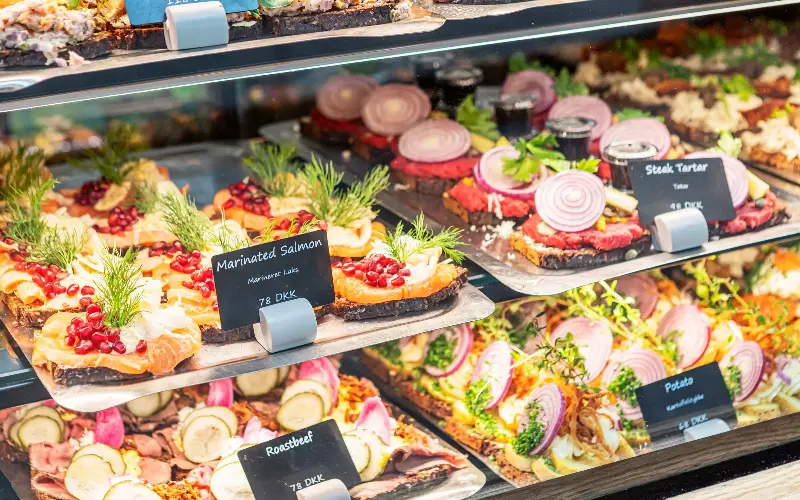
On the opposite bank, turn right, cycle under Langebro and you come to GoBoat, where you can rent a boat for between one hour (from DKK 549/£63) and five hours (DKK 2,199/£252). There’s a table in the centre of the boat, so lay out your picnic lunch to enjoy as you pootle around the harbour and canals at your own pace.
Afternoon
After returning the boat, head to the next-door harbour baths, where you can join the crowds dipping and diving in the water in summer or, on cooler days, just sit on the quayside and enjoy people-watching.
Then reclaim your bike and head up, via the Olafur Eliasson-designed Cirkelbroen, to the harbour bus stop at Knippelsbro. Jump on a ferry heading north and enjoy the half-hour ride to the end of the line at Refshaleøen.
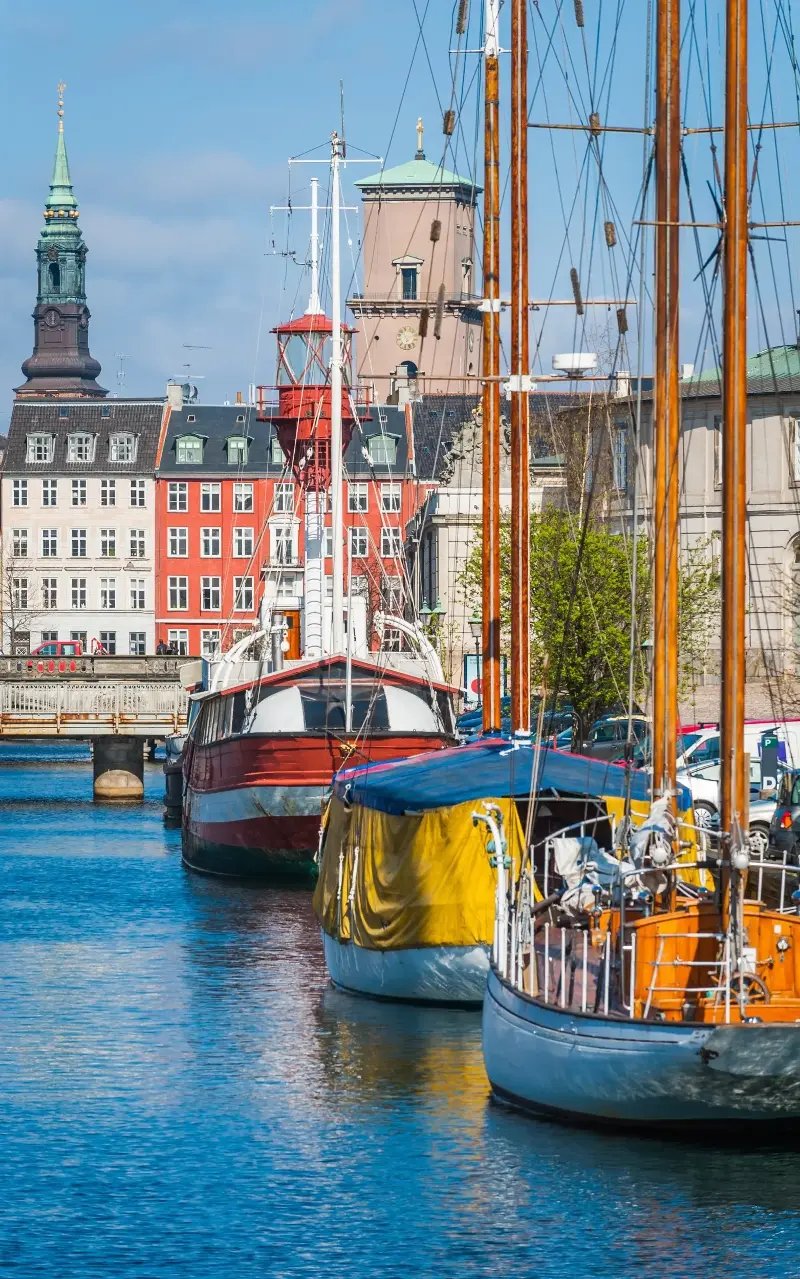
Don’t be put off when you’re greeted by what looks like a wasteland – this former industrial area has become a hugely popular attraction, its old warehouses filled with a mix of creative, sporty and foodie ventures. Do culture at Copenhagen Contemporary, enjoy an outdoor hot tub at CopenHot, or just chill out with a drink and a bite to eat. Highlights include the street food stalls of Reffen, brewery and bar Mikkeller Baghaven and La Banchina, a cute little wine bar and restaurant right on the water.
Head back to the centre through the canal district of Christianshavn (maybe calling into the Noma Projects Shop along the way) or take the southbound ferry one stop to Nordre Toldbod and nip up to visit the Little Mermaid before cycling back along the waterfront.

Late
Head to the west side of town, where the once dodgy district of Vesterbro is now one of the best places to spend an evening, with a constant stream of new cafés, bars and restaurants opening up. Cocktail lovers are well served by the likes of Lidkoeb, Duck & Cover and Curfew, but whatever you fancy to eat or drink, you’re likely to find it in the Meatpacking District and surrounding streets. If you can get a table at Kødbyens Fiskebar or Superbon, so much the better.
When to go
Summer sees the city at its most gregarious, with everyone enjoying al fresco café life and splashing around in the harbour. Inevitably, it also brings more crowds, which have noticeably grown in recent years. Late November and December is another busy time as people flock to the Christmas markets – but they’re worth the queues.
Spring is a great time to visit, as is autumn, especially if you coincide with Kulturnatten, one of the highlights of the cultural calendar. And if you don’t mind the colder weather at the start of the year (just pile on more layers), you can enjoy lower prices, Copenhagen Light Festival and the restaurant bargains of Dining Week.
Where to stay
Luxury living
It’s always a treat to check in to the d’Angleterre, undisputed grande dame of the Copenhagen hotel scene. It delivers everything you want from a five-star property, including a superb location at the heart of the Danish capital, rich history, luxurious guest rooms and a one-Michelin-starred restaurant.
Designer digs
The five-star Nobis Hotel Copenhagen is a handsome conversion of an historic building and the city’s only member of the Design Hotels group. The team behind it has respected period features but not been afraid to add contemporary twists – the reception desk is a stark concrete block and the central stairwell is now filled with a twinkly modern light installation. The restaurant serves high-end bistro food.
Budget beauty
Wakeup Copenhagen Borgergade may be a budget option but it offers well-designed rooms, a great location and keen-to-please staff. It’s modern and minimalist, and the big, open reception area is far more impressive than you’d expect, with acres of space and smart design that incorporates Poul Henningsen light fittings and Arne Jacobsen chairs.
FAQs
Getting to Copenhagen
Many major UK airports offer direct flights to Copenhagen, where there are easy links to the city centre (about five miles away) via train, metro or bus – just go for whichever stops nearest your hotel.
Getting around Copenhagen
Within the centre you can easily get everywhere on foot, but if you decide to use public transport, you’ll find it generally works like a dream. It’s also fully integrated, so if you buy a City Pass Small (24-120 hours) it’s valid not only for buses and Metro within the central zones, but also for trains and harbour ferries. (Passes covering a larger area are also available.) You can buy one via the Rejsebillet app or from the DSB ticket machines at the airport and use it straight away to get to the city centre.
Are city cards worth it?
If you’re planning to visit lots of museums and galleries, including some further out of town, consider buying a Copenhagen Card - Discover instead. Valid for 24 to 120 hours, it not only provides free public transport over a wider region but also gives entry to many attractions.
Should I make reservations in advance?
When it comes to dinner, either eat out early or make a reservation. It’s not just Michelin-starred restaurants that get booked up – even little neighbourhood bistros can be really busy, especially at weekends, so don’t just assume you’ll be able to rock up anywhere and get a table.
Tipping etiquette
Service is generally included in restaurant bills but it’s increasingly common to round up the bill or leave a bit extra if you’ve had really good service. However, no one’s ever going to chase you out of a restaurant complaining you haven’t tipped enough.