



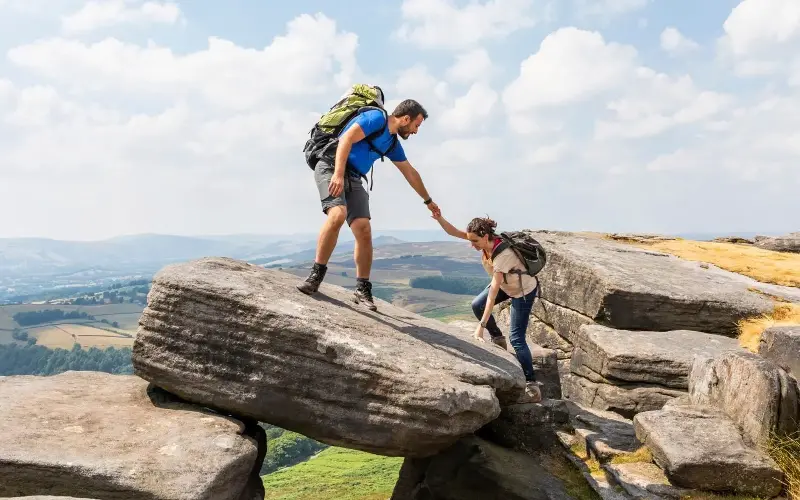
This summer has seen record call outs for mountain rescue at Snowdon, also known as Yr Wyddfa. Emergencies have risen every year since crowds queued on the summit during the Covid lockdowns. Volunteers carried out 147 rescues in 2020, 308 in 2023 and 359 in 2025. They are projected to hit 440 in 2026.
The reasons for the increase are varied. Walkers and climbers are frequently lured to “honeypot” destinations via viral social media posts – where they set off without checking the level of difficulty or weather. Online forums are awash with one-upmanship, encouraging ridiculously competitive “bagging”, as in the recent case of a three-year-old who hiked all 214 Wainwright fells.
The old favourites that perennially catch out outdoors novices are still with us: useless footwear like flip flops or heels; a lack of water and/or rainproof clothing; flat batteries in phones and torches. But mountain guides also point to the fact that people assume they will be rescued and consequently take little or no personal responsibility for their actions.
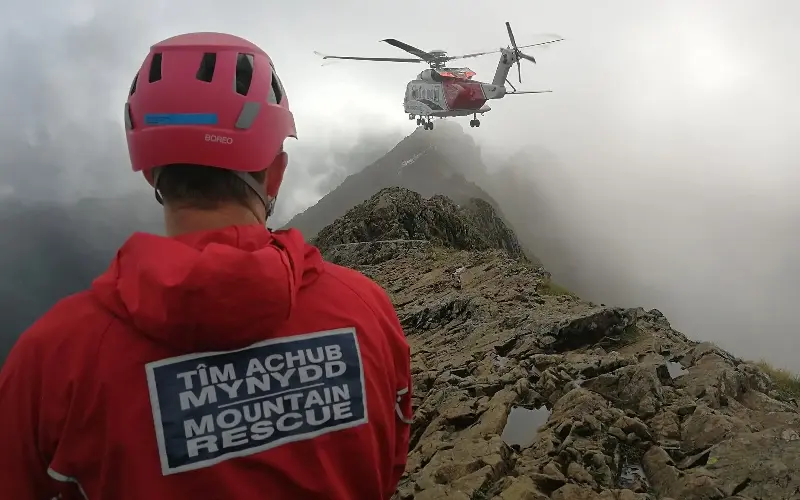
Now the heatwaves have receded, and the UK’s autumn walking season is in full swing, we thought it timely to look at 10 things to consider before undertaking a climb – whether you’re aiming to do a more or less challenging hill walk or roping up for a bona fide climb up to a mountain peak.
This advice covers everything from the Alps to the Lake District; after all, British weather can turn even a low-lying summit into a wintry and desolate crag.
1. Are you at particularly high risk for twisted ankles or broken bones?
The single most frequent cause of physical injury is a basic stumble or fall, usually resulting in ankle or lower leg fractures. This typically occurs when hikers are crossing loose scree or wet weather makes rocky ridges slippery and hazardous.
Just as you’d warm up, stretch and test your balance before starting a run or doing gym exercise, do the same before a mountain ascent or a strenuous uphill hike. Squats and lunges prepare the leg muscles you’re going to use.
If you are planning a tough climb in the future and have a long-term goal to become a serious alpinist, try to build walking, cycling and/or running and strength workouts into your routine. The fitter you are, the better prepared you will be for the mountains.
2. Rain? Snow? Did you even check the weather forecast?
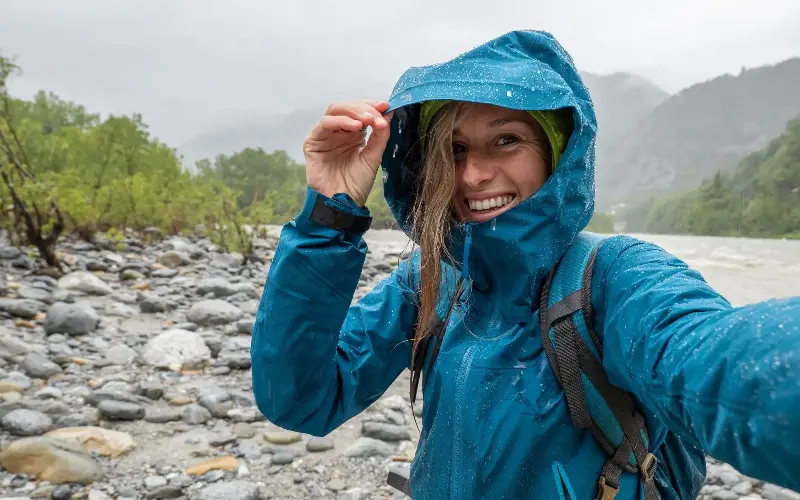
Get local weather information as close to the hill or mountain region as you can find – and as close to the time when you’re setting off. The Met Office has a dedicated mountain weather page that covers ten popular climbing and walking regions. Sports Scotland funds the Mountain Weather Information Service, for the same 10 areas.
I’d also recommend talking to locals, especially fellow climbers, who will have insights on weather patterns and what a particular early morning sky augurs for the rest of the day.
3. What about the altitude?
A wisely named website, The Summit Is Optional, reminds climbers to always keep in mind the so-called lapse-rate, which, simply put, is that very dry air, (often associated with high altitudes and/or high pressure weather) cools at a rate of approximately 1C per 100 metres. Saturated (damp) air cools at a rate of approximately 1C per 200 metres.
This means the higher up you are, the colder it will be. And if you’re hiking in high altitudes – such as to high peaks such as Mont Blanc – be sure to pace yourself on the ascent to acclimatise to the heights.
4. Do you have the basics of the right kit?
This is mostly common sense, but it can be life-saving at high altitude and in winter. Whatever the season, every climber and hill walker should take a waterproof jacket, layered clothing (including a base layer that wicks moisture away from the skin), and well-fitting boots or sturdy shoes with good ankle support. You also need a pack you can carry confidently to hold extra layers, food and water, plus lighting and power banks for torches. These are the basics.
The British Mountaineering Council also considers the following essential: first aid kit, good socks, toilet pack, sunscreen, hat and scarf, gloves and waterproof overtrousers.
Depending on the terrain and nature of the challenge, you may also need gaiters, insect repellent, a whistle and a bivvy bag. For the Alps and summer climbs, the adage “light is right” usually applies; pack just what you need, no more.
5. Are you trained for a serious climb?
Technical climbs demand a helmet and confident use of ropes, belay/rappel device, carabiners, pulleys and a harness.
Talk to experts and look at specialist websites like Mountaineering Scotland before tackling anything high or complicated.
6. Do you have a proper map?
Knowing how to use maps, a compass, GPS devices and digital mapping apps is as basic as wearing sturdy boots. The surge in mountain rescues is often attributed to hikers using standard smartphone map apps rather than dedicated outdoor GPS systems or traditional paper maps.
If you are depending solely on your phone and the battery dies, signal drops, or heavy low clouds descend, you can easily become completely lost or get stuck on steep terrain.
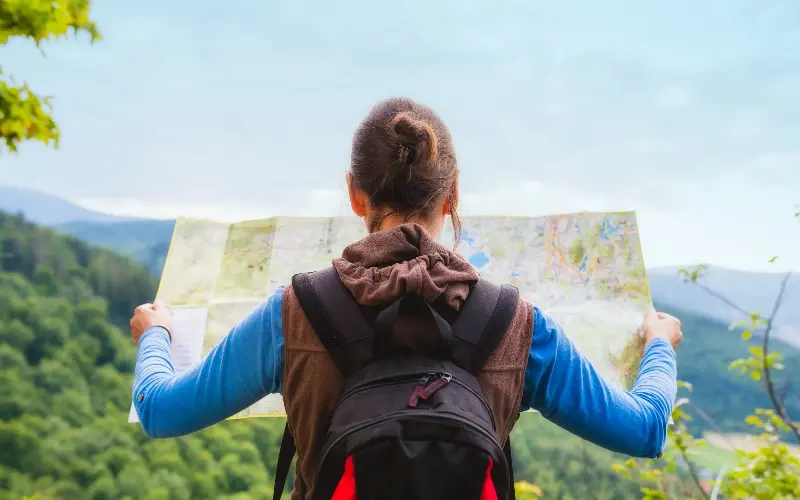
7. Can you navigate – without your phone?
Brush up on your navigation skills if it’s been a while, practice using a compass and get accustomed to analogue maps if you’ve been living digitally for a long time. Pore over maps before leaving so you know where the unmanned huts and bothies are; they can make for an idyllic sleep and even be a lifesaver.
8. How risky is the terrain?
Well before you travel to a mountain range, spend time researching and planning your approach and climb. Read books and compare maps of the area. Make a folder of maps, route information, food lists and kit plans. Have copies of essential information backed up on your phone.
It pays to grasp a big picture of a region, mountain and climbing route. Obstacles and terrain hazards will vary with the season and any path work being carried out, and might include anything from crossing a busy road to a recent rockfall to avalanche risks. Devise a Plan B for each situation.
9. Are you going alone?
If yes, please reconsider. Tackle an unknown peak with a close friend who you’ve previously done climbing and mountaineering with, someone you already trust and can rely on when the going gets tough.
Choose another friend to provide support should things go wrong, who will expect a call when you’re safe and back at base.
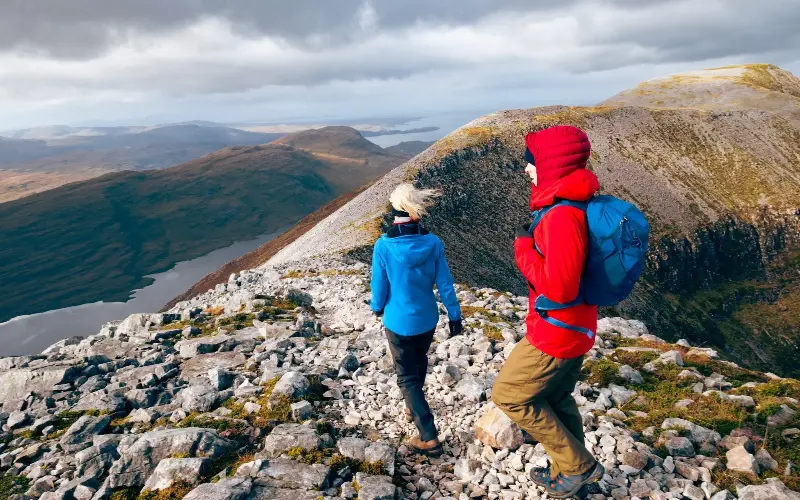
10. Does someone know first aid?
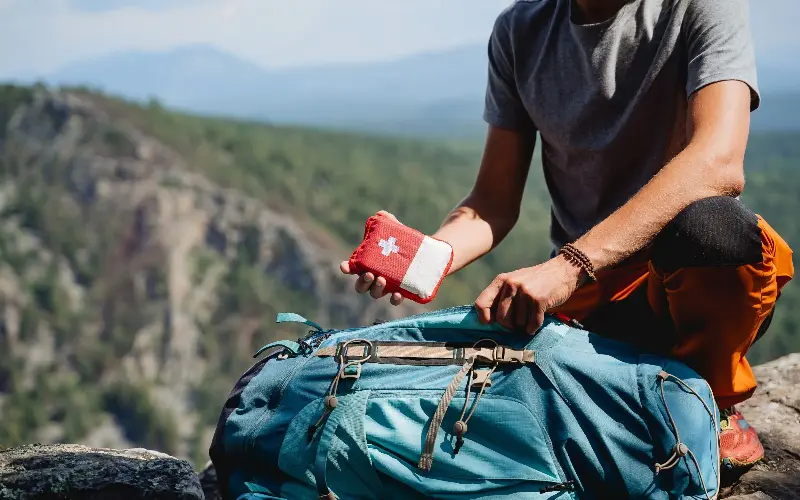
It’s a good idea to have a trained, equipped first aider on climbs and on strenuous and technical walks. It doesn’t have to be the walk leader. The BMC recommends packing basic kit for both minor injuries and the walking wounded. The Ramblers offers advice on getting training in first aid.