



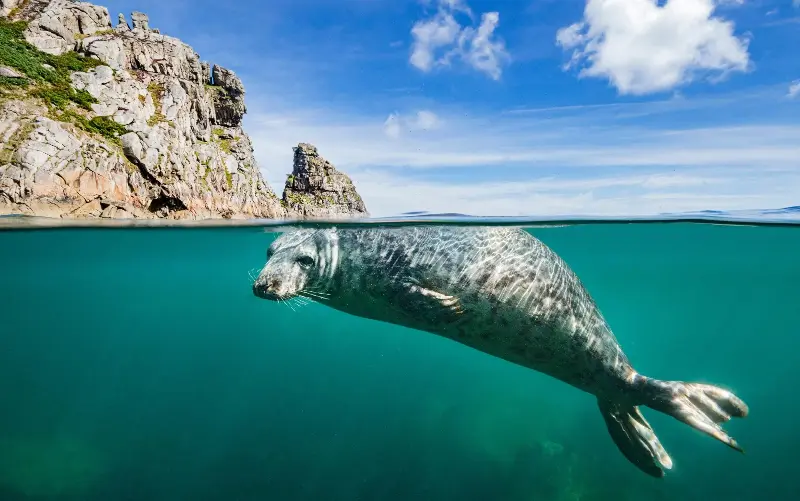
Beneath the restless roll of the world’s oceans lies a network of hidden sanctuaries. Marine protected areas are the national parks of the sea. These underwater havens are a reminder of what our seas were once like: towering forests of amber kelp swaying in tidal surges; sunlight flickering across vast meadows of seagrass; coral reefs stretching unbroken (and unbleached) along tropical shorelines.
Following the recent announcement of six reserves awarded Blue Park status – a global mark of excellence for effective marine conservation – there has never been a better time to appreciate these remarkable habitats.
We’ve picked out ten of the world’s greatest marine reserves you can visit now – be it on a boat trip, snorkelling, diving or simply by walking along a beach.
Ningaloo Marine Park, Western Australia
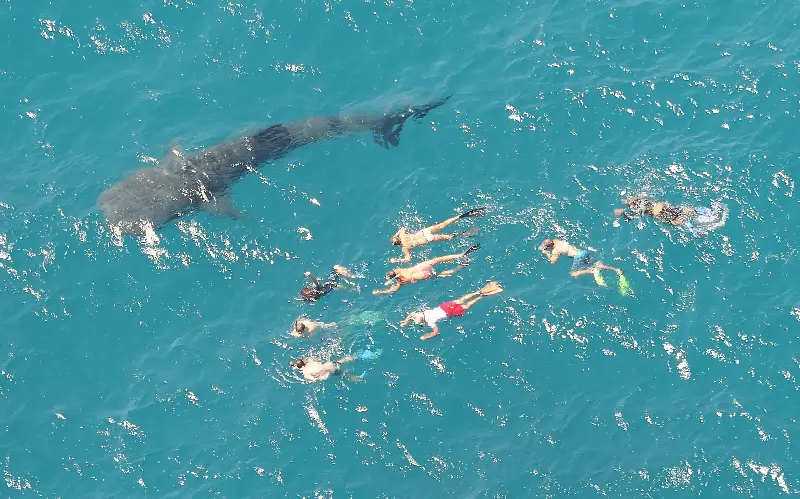
Walk across the beach, get in and let the gentle current carry you over coral gardens squirming with fish: Ningaloo is that rare reef destination where you can snorkel from the shore. The marine park forms part of the Ningaloo Coast World Heritage Area, stretching more than 186 miles. From March to August, whale sharks gather around Ningaloo, while humpback whales can be seen from June to November. Other highlights include manta rays, turtles and dugongs.
How to visit: Fly via Perth to Learmonth and transfer to Exmouth. Ningaloo Discovery offers eco-certified whale shark and reef tours.
Raja Ampat Marine Protected Areas, Indonesia
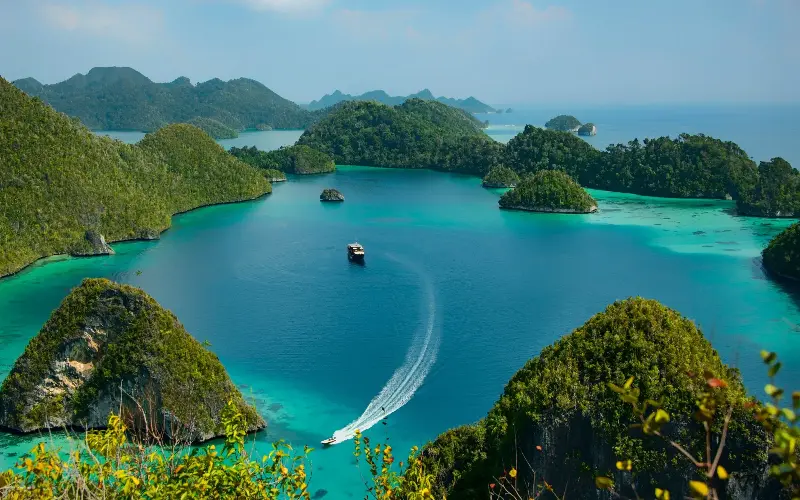
Lying at the heart of the Coral Triangle – a biodiverse sweet spot that’s home to 75 per cent of the world’s coral species and more than 1,700 types of fish – Raja Ampat is a remote archipelago of more than 1,500 jungle-clad islands. Around 7,700 sq miles of its surrounding seas are protected, with increasing populations of manta rays a star attraction.
How to visit: Fly to Sorong, usually via Jakarta or Makassar. Sorido Bay Resort and Kri Eco Resort take conservation seriously, with proper waste management and water-saving systems, as well as fixed moorings to prevent reef damage.
Turneffe Atoll Marine Reserve, Belize
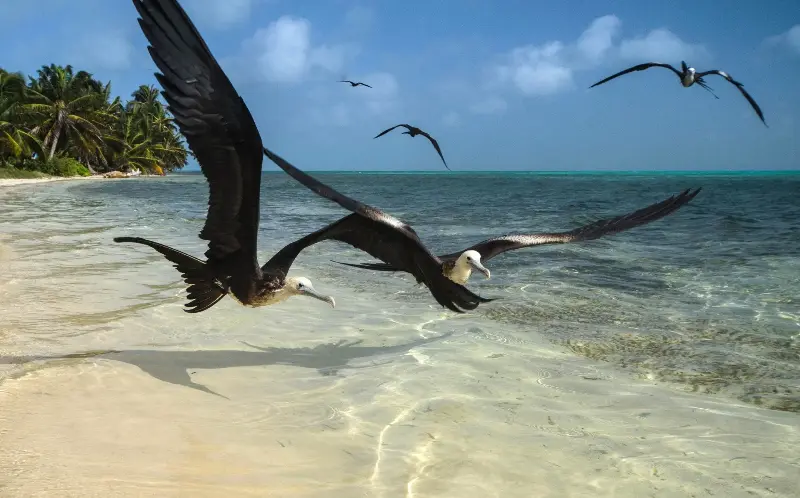
A 500 sq mile marine maze of reef, seagrass, mangrove forest and lagoon habitats, Turneffe Atoll is Belize’s largest marine reserve. A sanctuary for West Indian manatees, it also provides an important habitat for turtles and a nursery ground for commercial fish species. In a single day, you can delve into mangroves teeming with frigatebirds and fiddler crabs before snorkelling over a Caribbean reef pulsing with parrotfish.
How to visit: Fly to Belize City and transfer by boat to the atoll. Turneffe Flats operates under a sustainability plan and has supported conservation of the atoll for decades.
Azores Marine Protected Areas, Portugal
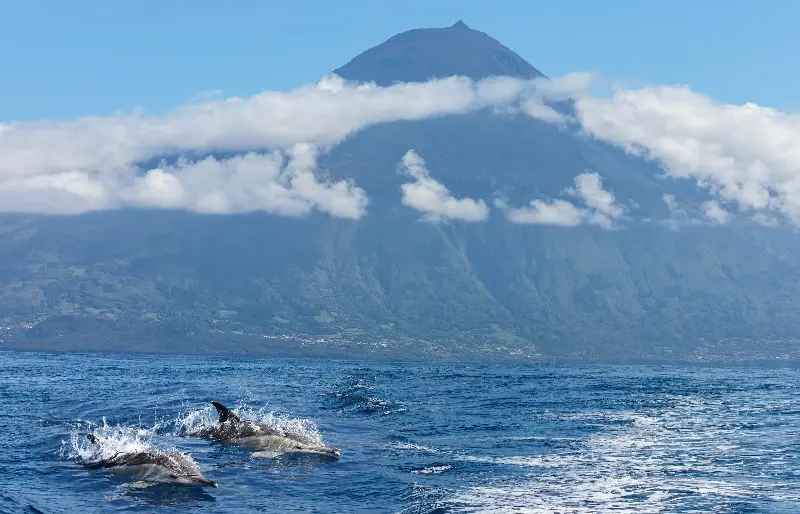
The Azores lie at a wildlife crossroads in the Atlantic. The regional government has committed to protecting 30 per cent of its waters through a network of marine-protected areas, with at least half set to be fully protected. Around these volcanic islands, deep ocean currents surge around seamounts, creating productive waters for whales, dolphins and other pelagic wildlife. This is not a tropical reef holiday: The excitement comes from the ocean’s scale and a sudden fin, blow or breach beside your boat.
How to visit: Fly to Ponta Delgada on São Miguel. The Ocean Azores Foundation recommends Terra Azul as a sustainable whale-watching operator.
Monterey Bay National Marine Sanctuary, United States
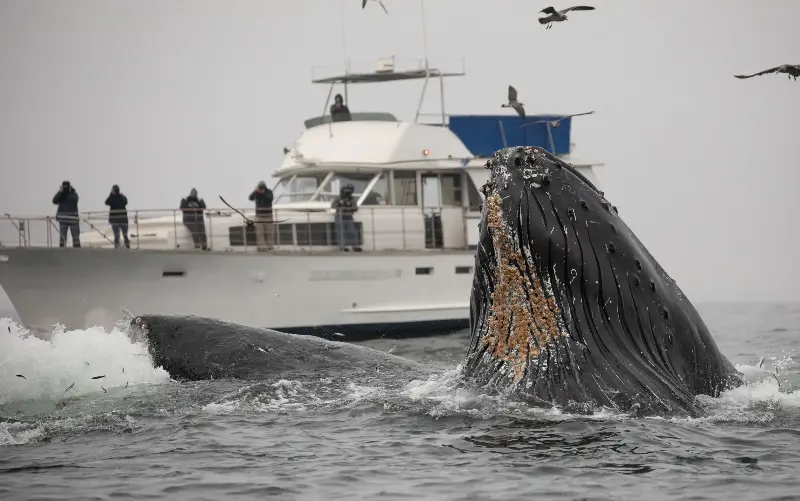
In Monterey Bay, off the coast of California, it’s all about cool Pacific water – not tropical blue – but the marine life can be spectacular. You don’t have to leave the harbour before spotting sea otters wrapped in kelp, or California sea lions hauled out on the wharfs. Take a boat trip offshore, however, and you could add grey whales (December to May), blue whales (June to October) or humpback whales (late March to early December) to your list of encounters.
How to visit: Fly to San Francisco or San Jose and drive south to Monterey. Choose a whale-watching operator like Monterey Bay Whale Watch that follows guidelines for minimising disturbance to cetaceans.
Poor Knights Islands Marine Reserve, New Zealand
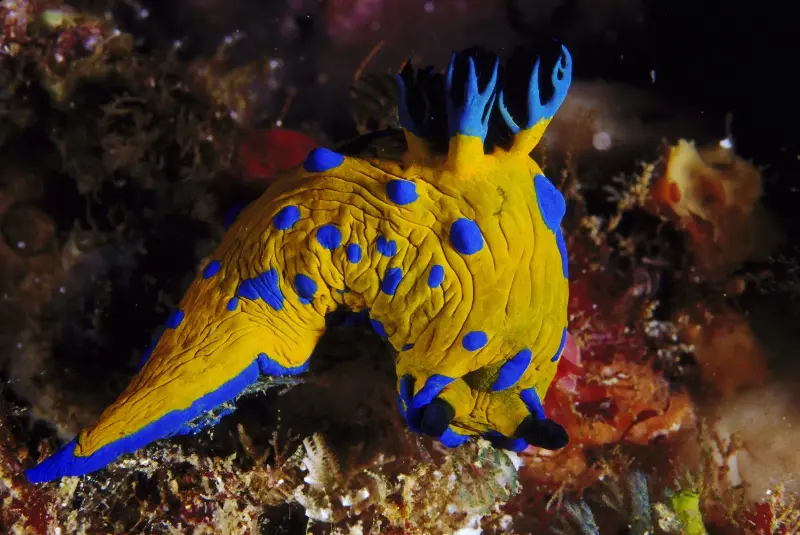
About 14 miles off Northland, the Poor Knights was in Jacques Cousteau’s top 10 dive sites in the world. Beneath the surface, volcanic rock has been carved into caves, tunnels, sheer walls and arches, adorned with sponges, sea fans and black coral. In warmer months, manta rays and whale sharks cruise through this surreal seascape, while dense kelp forests support huge resident shoals of snapper and trevally. Psychedelic sea slugs – known as nudibranchs — lure divers hooked on macro photography.
How to visit: Fly to Auckland and drive north to Tutukaka. Dive Tutukaka operates snorkelling and diving trips to the islands.
Galapagos Marine Reserve, Ecuador
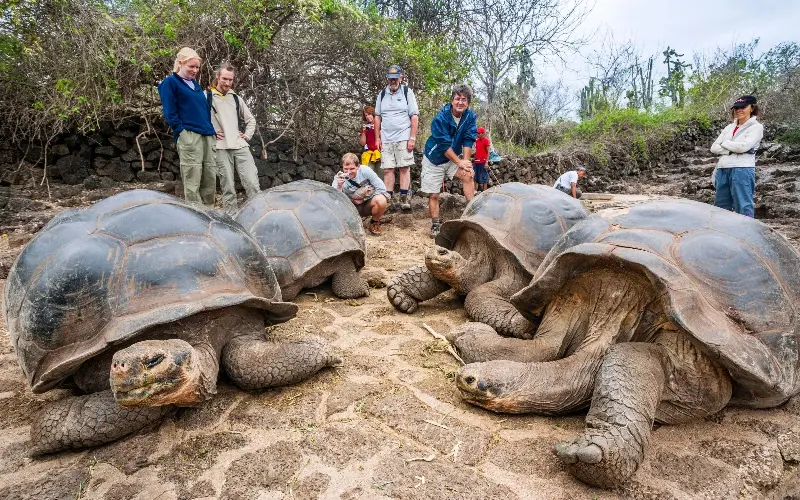
In the Galapagos Islands, the wildlife show starts before you enter the water, thanks to lumbering giant tortoises and dancing blue-footed boobies. The marine reserve extends about 55,200 sq miles around the archipelago, where cold and warm currents help concentrate life. Snorkellers can encounter sea lions, marine iguanas and green turtles, while divers may also see large schools of hammerhead sharks. Despite being on the equator, you might be lucky enough to see a Galapagos penguin torpedo past your mask.
How to visit: Fly to Quito or Guayaquil and take an onward flight to Baltra or San Cristóbal. Intrepid Travel is a Galapagos Conservancy Sustainable Travel Partner.
iSimangaliso Marine Protected Area, South Africa
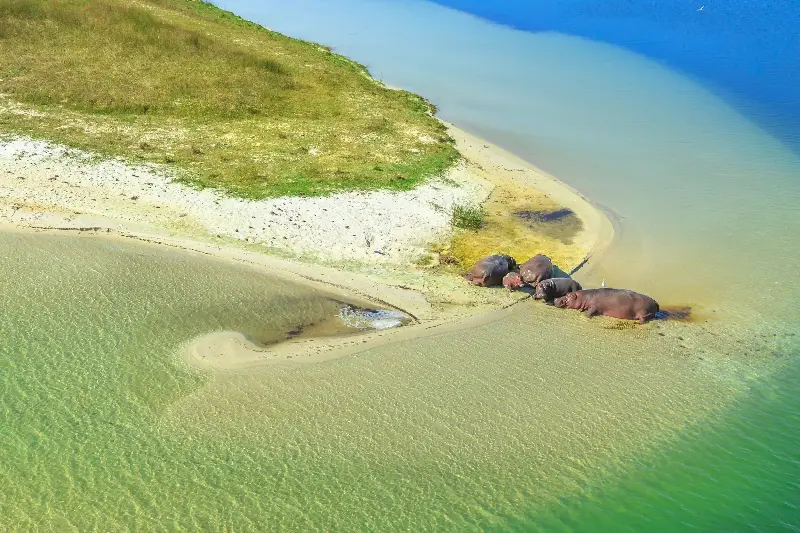
Indian Ocean surf on one side, big game on the other. Few destinations let you switch so quickly from ocean safari to African game drive. Combined, the onshore iSimangaliso Wetland Park and the offshore Marine Protected Area safeguard a vast mosaic of ocean, coral reefs, beaches, wetlands, lakes and coastal forest. Watch humpback whales, dolphins, whale sharks and nesting leatherback turtles before taking a safari in search of elephant, rhino, buffalo and lion.
How to visit: Fly to Durban or Richards Bay and drive to St Lucia. The expansive wetland park is dotted with luxury ecolodges such as Thonga Beach Lodge in the coastal dune forest and Makakatana Bay Lodge on the banks of Lake St Lucia.
South Orkney Islands Southern Shelf Marine Protected Area, Antarctica
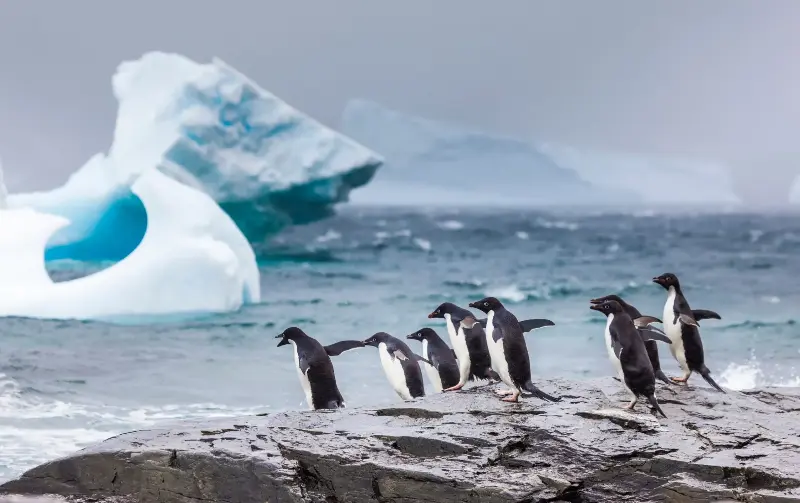
Established in 2010 as the planet’s first entirely high-seas marine reserve, the SOISS MPA covers 36,300 sq miles of the Southern Ocean. Its rich benthic communities sequester huge volumes of carbon, providing a crucial buffer against climate change, while nutrient-charged currents support 140,000 breeding pairs of Adélie penguins and healthy populations of leopard, Weddell and crabeater seals. Humpback whales in the wider area are believed to have recovered to 90 per cent of pre-whaling numbers.
How to visit: Fly to Ushuaia, Argentina. Expedition ships sail south to Antarctica. Choose an Iaato member that operates within strict environmental regulations.
Gwaii Haanas National Marine Conservation Area Reserve, Canada
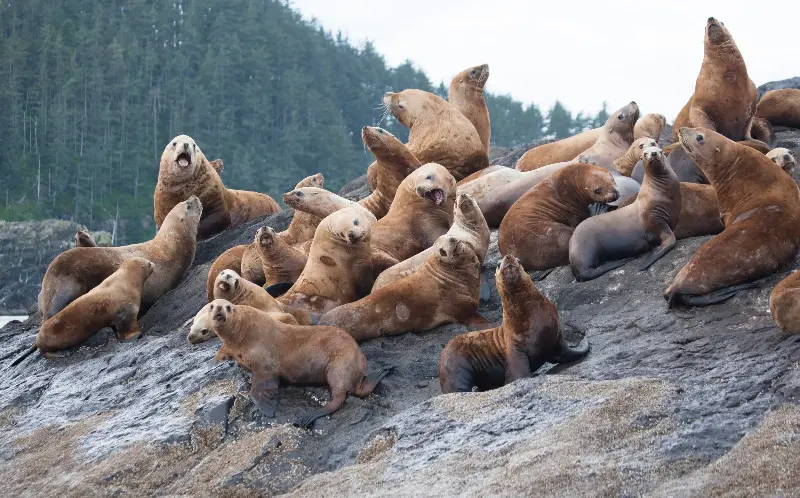
Gwaii Haanas is where the Pacific Ocean and temperate rainforest blend into a single wilderness. The marine area protects about 1,350 sq miles of ocean and is cooperatively managed by the Haida Nation and Parks Canada. Mossy forests descend towards rocky shores, ancient Haida villages sit beside the sea and boats thread through forest-lined channels alive with orcas, humpback whales, porpoises, sea lions, bald eagles and bears.
How to visit: Fly to Sandspit from Vancouver and transfer by boat or seaplane to Gwaii Haanas. Outer Shores Expeditions is a Gwaii Haanas-licensed operator offering carbon-neutral expeditions.