



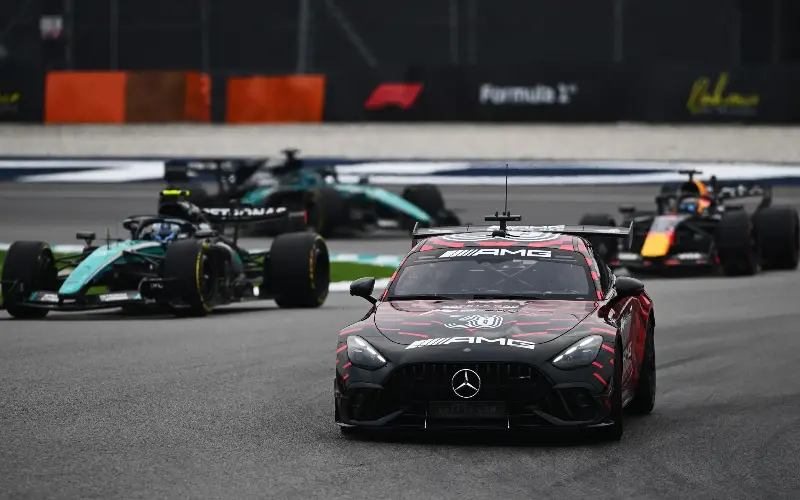
Formula One is to hold talks with its teams and drivers in an attempt to find solutions following the farcical start to Sunday’s race in Malaysia.
Those talks will also include F1’s governing body the FIA, although there are unlikely to be any major fixes before 2027 and the agreed move to a 58:42 split between internal combustion and electrical power.
Sunday’s race, which was titled the Bahrain Grand Prix but took place in Malaysia because of the ongoing conflict in the Middle East, was widely criticised after cars were beset by “software glitches” during the formation lap, which took place in wet weather.
A number of cars struggled to move because of a previously undetected bug in the software for wet-weather engine maps. Lewis Hamilton had to stop his engine and restart his Ferrari completely while still on track, while Max Verstappen likened the speeds at which they were running to “Lego” racing as cars struggled to exceed 20mph.
With the race suspended and all cars back in the pits, it took the FIA’s software engineers 40 minutes to find a workaround and deliver new software to each team.
Afterwards, drivers and fans hit out at the 2026 regulations for being far too complex, with Williams’ Carlos Sainz saying F1 needed “to have a hard look at itself” and Red Bull’s Verstappen adding that he hoped “lessons had been learned”.
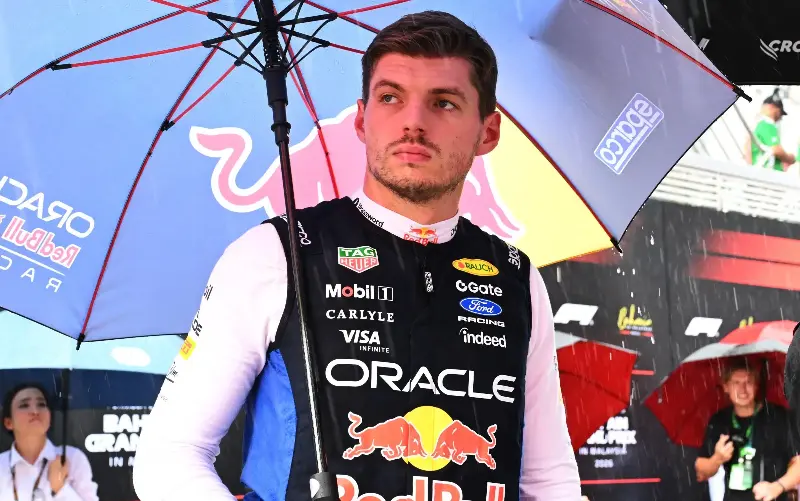
Laurent Mekies, the Red Bull team principal, said on Monday: “It’s a good reminder for all of us that we should probably make sure that complexity doesn’t get out of hand and that we keep things as under control as possible.
“And I’m sure we’ll have discussions with the teams, with the FIA and with F1 to see how we can protect ourselves from those situations moving forward and make sure we can keep the complexity of the cars and the systems under control.”
The FIA has promised a “full debrief”, with Nikolas Tombazis, its director of single-seat racing, said to be taking the matter extremely seriously. There is an acceptance within the sport that what happened at Sepang was a terrible look. However, solutions are not easy to come by.
One source suggested that there were “probably some small things” which could be done in the short term, perhaps even in time for Singapore this weekend, but nothing major, with power unit changes already agreed for 2027 and 2028.
These changes will alter the current near 50:50 split between internal combustion and electrical power – which was decided upon up to six years ago, at a time when road-car manufacturers were pushing electrification – to become 60:40 in favour of internal combustion in two progressional steps by 2028. There will also be an increase in fuel flow for next year, increasing the level of power generated by the engine.
The idea behind the shift is to make the cars less energy-starved. This is the problem which has led to drivers having to lift and coast through high-speed corners and at the end of straights in order to harvest energy.
Earlier this year, F1, the FIA, Mercedes and Red Bull-Ford supported a faster pivot to a 60:40 split, but the idea was voted down by other manufacturers, including Audi and Ferrari. Those teams resisted on cost grounds and disagreements over the ADUO (additional development and upgrade opportunity) catch-up mechanism, which allows teams to make upgrades to their power unit based on a tiered ranking decided by the FIA.
F1 has already introduced a series of highly complex restrictions to try to alleviate some of the issues that have arisen this season in the first year of these radical new regulations.
Ironically, one of those is what triggered the problem in Malaysia – total electrical power has been reduced from 350kW (470bhp) to 250kW (335bhp) in the wet, which was an area teams and drivers had been concerned about.
The complexity and reliability of the power units will not be the only topic under discussion in Singapore. There was also widespread dissatisfaction in Sepang over the length of time it took to unlap cars during a late safety car period.
A virtual safety car had been triggered when Alexander Albon’s Williams stopped on track because of a gearbox failure. It was upgraded to a full safety car after marshals were unable to get the car in gear and free the rear wheels to move it behind a barrier.
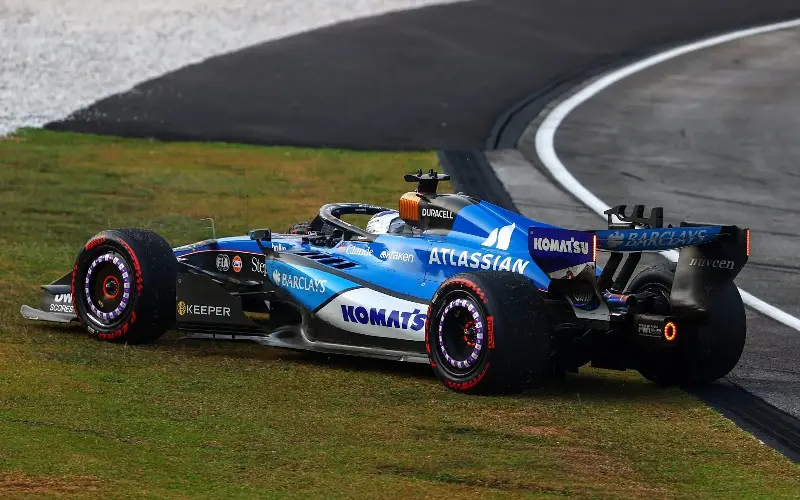
It took several laps under the safety car just for the main pack to bunch up. Then, when the message was finally given for lapped cars to unlap themselves, Cadillac’s Sergio Pérez was still half a lap behind the train and the field lost an additional lap waiting for the Mexican to navigate around the lead lap cars and pull away.
Mercedes’ George Russell was among those to voice his frustration after the race, noting that “doing extra laps to allow [Pérez] to overtake” made the event feel messy and prolonged. It was also pointed out that it highlighted a recurring flaw in the FIA’s safety car management.