



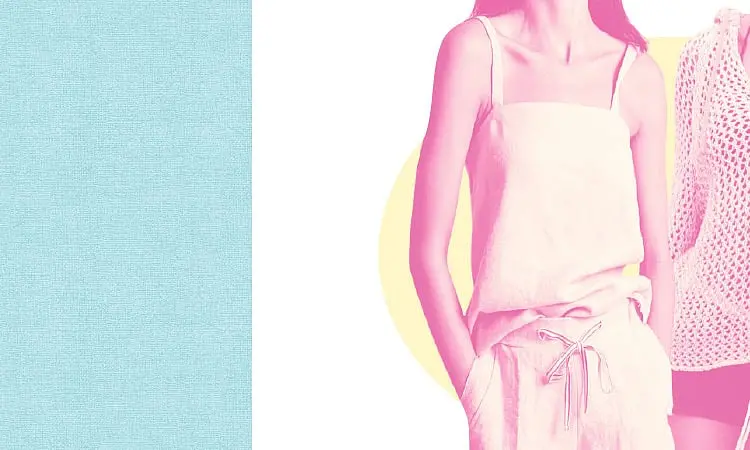
Cebuanos are definitely experiencing a different kind of cold even as the summer season fast approaches. From transitioning from linen to light knits, reaching for oversized cardigans for office AC versus the outdoors, and figuring out how to pull off the “sweater weather” look without sweating like a mafia rat in Little Italy by noon.
Tropical layering in Cebu is less about “bundling up” and more about moisture management and AC defense. It’s about using materials that don’t trap heat — which leads to excessive sweating during peak daytime — and choosing breathable fabrics that keep you warm in the office and dry outdoors.
As consumers, we should check the materials before buying clothes. With cold mornings and hot noontimes, we need highly breathable and moisture-wicking fabrics.
For Cebu’s tropical climate, here are your best bets:
The Natural Champions
Linen: The undisputed king of tropical wear. Made from flax fibers, linen has a loose weave that allows heat to escape instantly. If it wrinkles, that’s part of the “effortless” look.
Cotton (Seersucker or Voile): Not all cotton is equal. Look for seersucker (which has a bumpy texture that keeps fabric away from your skin) or voile (paper-thin and breezy).
Hemp: Very similar to linen but even more durable. It gets softer with every wash and is excellent at managing moisture.
The ‘Cool-Touch’ Synthetics & Semi-Synthetics
Rayon / Viscose: Made from wood pulp, these fabrics are incredibly drapey and feel cool to the touch — perfect for oversized cardigans or flowing shirts.
Tencel (Lyocell): A modern, sustainable version of rayon. It’s known for being sweat-friendly because it absorbs moisture more efficiently than cotton.
Bamboo: Naturally antibacterial and very soft. It works well for base layers such as undershirts or tanks because it stays dry longer.
The ‘Technical’ Knits
Open-Mesh Knits: If you want that sweater look, go for crochet or pointelle knits. The tiny holes in the pattern act as built-in ventilation.
Lightweight Mercerized Cotton: Cotton treated to be smoother and shinier. It looks polished enough for the office but doesn’t trap heat like heavier wool blends.
The ‘Avoid’ List
Steer clear of heavy-duty fabrics that turn your outfit into a personal sauna. Unless it’s specifically labeled as moisture-wicking athletic gear, polyester tends to trap heat against your skin and can make you sweat quickly.
Similarly, consider ditching heavy denim in favor of chambray — it delivers the same rugged look but stays lighter and more breathable when the Cebu sun starts peaking.
The Tropical Layering Playbook
Mastering the “sweater weather” aesthetic in a place where the sun is always plotting against you requires a bit of tactical maneuvering. Here’s how to build a look that survives the commute and thrives in the office:
The 3/4 Rule (The “Venting” Secret):
Don’t let your layers swallow you whole. Roll your cardigan sleeves to the mid-forearm and keep your ankles visible. Exposing these “cooling points” helps your body release heat while your torso stays cozy in the AC.
Texture Over Thickness:
You don’t need bulk to look layered. Pair a smooth cotton base with a waffle-knit or crochet cardigan. The visual contrast creates depth without the insulation that leads to a midday meltdown.
The “Modular” Move:
Think of layers as accessories. If humidity spikes, don’t just carry your knit — drape it over your shoulders or tie it diagonally across your chest like a crossbody bag.
The Tonal Trick:
Stick to a single color family such as sandy beiges, creams or soft grays. Lighter colors reflect the Cebuano sun, and a monochromatic palette makes even simple layers look intentional and refined.
Enjoy the ‘Cold’ While It Lasts
At the end of the day, Cebuano “sweater weather” is a fleeting luxury — a brief window where we can pretend we’re in a different climate before the humidity reminds us exactly where we are on the map.
According to Ever John Tenio, a weather specialist from PAGASA-Mactan, the cool spell will not last much longer. Speaking with SunStar Cebu on Monday, March 16, 2026, Tenio noted that the amihan is expected to wind down by the third week of March.
“Around the third to last week of March,” he said. “It is possible that in the coming days, the amihan will slow down and only reach Luzon, and we’ll return to our regular climate.”
Whether you’re clutching an iced coffee in a freezing office or dodging the midday sun, the secret is all about balance. Layer strategically, choose your fabrics wisely, and keep those cooling points exposed.
Because in a few days, we’ll be back to standard linen and survival mode — and that oversized cardigan will be nothing more than a memory, or at least relegated to the deepest part of the closet until the next AC-induced chill. S