


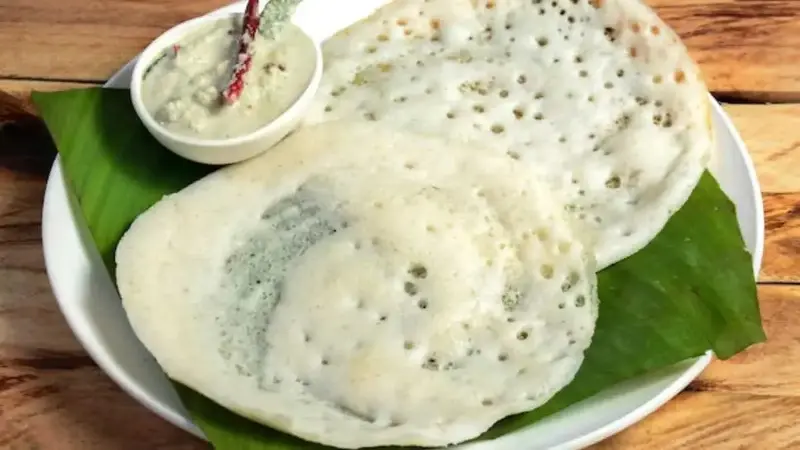
Among Kerala's multiple special breakfast dishes, kallappam has a special place as it is loved for its soft centre, lace-like edges, and slightly fermented taste. Traditionally made by Christian communities of Kerala, it is particularly popular during festive dinners, Sunday breakfasts, Christmas festivities, or special family gatherings. Unlike the plain appam, kallappam is a bit thicker, having a pillowy feel, as cooked rice is added to it and it is fermented.
Historically, fermentation was achieved naturally by using toddy, a mildly fermented sap that was gathered from coconut palms. With the passing of time, as toddy became less available, many home cooks started adjusting the recipe by using yeast or simply depending totally on the natural fermentation process. At present, both methods continue to be widely used across households in Kerala, depending on availability.
Although the ingredient list is quite simple, having of rice, coconut, and a fermenting agent, which is blended and left to ferment. Once it is mastered, kallappam evolves as one of the most adaptable South Indian breads that can be paired perfectly with vegetable stew, chicken curry, egg roast, or even sweetened coconut milk.
How To Make Kallapam?
Listed below are two methods by which Kallapam can be made, i.e with or without yeast. Both use the same ingredient list; only the fermentation process differs.
Ingredients
- 2 cups raw rice (preferably pachari or sona masuri)
- ½ cup cooked rice
- 1 cup freshly grated coconut
- 1 tsp sugar
- Salt to taste
- Water as required
- For Yeast Version
- 1 tsp active dry yeast
- ¼ cup warm water
- For Traditional No-Yeast Version
- ¼ cup fermented batter from a previous batch (if available), or let it ferment overnight.
Method
- Wash the raw rice nicely and then soak it for about 4 to 5 hours. A thorough soaking helps soften the grains, and you get a smooth batter.
- After 4 to 5 hours, drain the rice and then grind it with some grated coconut, cooked rice, sugar, and water to make a smooth and a bit thick batter that should be lump-free.
- The cooked rice gives softness, whereas the coconut gives the richness that is linked with Kerala-style kallappam.
For Yeast Method
- Dissolve some yeast in warm water with a pinch of sugar.
- Leave it for about 10 minutes until you see it turn frothy.
- Mix this into the prepared batter, cover, and let it ferment in a warm place for about 6 to 8 hours or until you see the batter has nearly doubled in volume.
Traditional No-Yeast Method
- If you are someone who prefers old traditional methods, simply leave the batter to ferment on its own overnight.
- If possible, add a small amount of previously fermented batter to speed the fermentation process.
- Before beginning to cook, just stir in a bit of salt, but do not overmix. The batter should feel soft and airy rather than thick.
- Heat an appam pan, or the dosa tawa, over medium heat and grease it lightly if required.
- Pour a ladleful of batter in the centre and do not swirl extensively as you do for dosas. Kallappam has to remain a bit thick in the middle.
- Cover with a lid and cook for about 3 to 4 minutes until you see the top is fully cooked, as the base gets a light golden colour. No flipping is required here.
Once done, serve it with your favourite curry and enjoy.
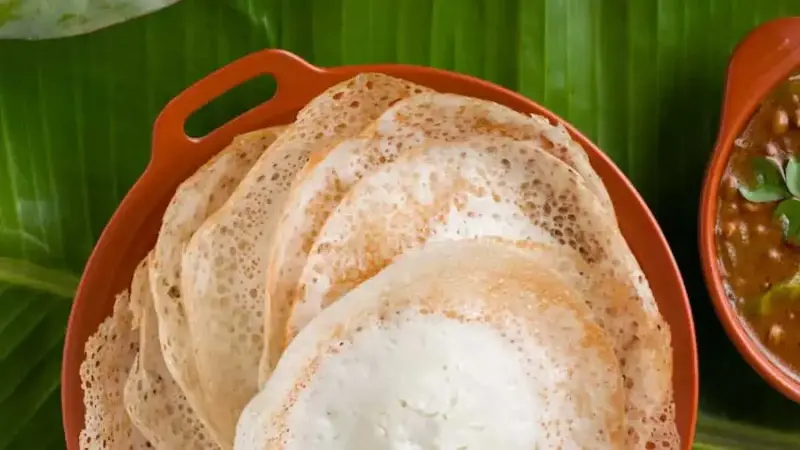
(Image credit: Freepik)
Fermentation Tips
Fermentation defines the final texture of kallapam more than any other step can.
- Warmer kitchens help in fermenting the batter faster, whereas cooler climates may need several additional hours for a perfect, airy batter.
- If you are using yeast, do not add too much, as it can have an overpowering flavour that can hide the original taste of kallapam.
- The batter should smell a bit sweet and pleasantly fermented, and not sour.
- If the batter turns too thick after the fermentation, you can loosen it by adding a little water before cooking.
- Over-fermented batter delivers flatter appams having too much of excessive sourness. If the batter is 2 days old, particularly in the summer season, check thoroughly before proceeding to cook.
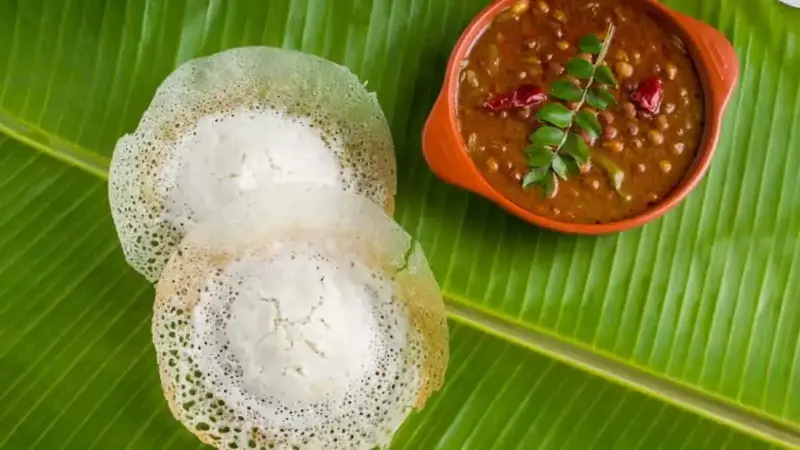
(Image credit: Freepik)
Serving Suggestions
Not only the making process, but the serving matter too. Here are a few options that can make the kallapm tate even more sumptuous:
- Kallappam is traditionally served warm, directly from the pan to the plate. The soft sweetness and smooth texture pair incredibly well with Kerala vegetable stew, chicken curry, mutton stew, egg roast, duck curry, or kadala curry.
- If you want to keep it light, you can also pair it with coconut milk sweetened with a little sugar and cardamom.
- As kallappam soaks up gravies beautifully without turning soggy, it works well for breakfast, festive lunches, or even weekend meals.
- Freshly prepared batches are always the best to have, as the light softness is best enjoyed instantly after cooking.