


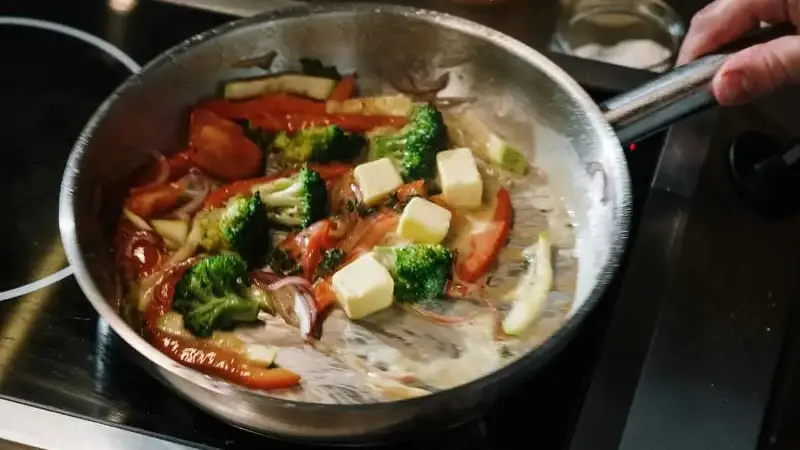
When it comes to cooking on an infrared cooktop, some simple tips can be quite useful especially in the preparation of slow-cooked dishes. No fire cooking recipes are rendered easier on the infrared cooktop because it heats at a slower rate facilitating the making of slow-cooked dishes to perfection. A delicious mutton curry or a deeply flavoured stew acquire their signature flavour complexity when they are cooked at the slow, gradual pace that an infrared cooktop offers. Make curries and gravies using the USHA Infrared Induction Cooktop with just a few handy hacks that transform slow-cooking into an enjoyable culinary experience.
 Master Low Heat Settings
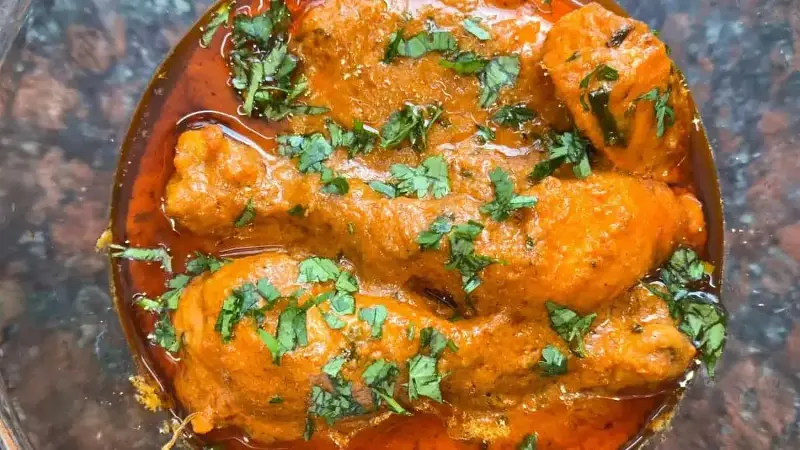
Infrared cooking is all about gentle, consistent heating. These cooktops work similar to a gas stove, so that heat transfers from the warmed cooktop to the cookware more gradually and slowly. One simple hack to follow while using the infrared cooktop is to then start the cooking on medium heat and keep this going consistently until all the masalas for the curry, rice dish or gravy are brought together. Then, the heat can be turned to low and the infrared cooktop will gradually bring the dish to a simmer. Avoid high heat on the infrared as this can scorch the food prepared on the stove.
Read More: How Japanese Donabe & Indian Tandoor Reflect Art Of Slow Cooking
Use Heavy-Bottomed Cookware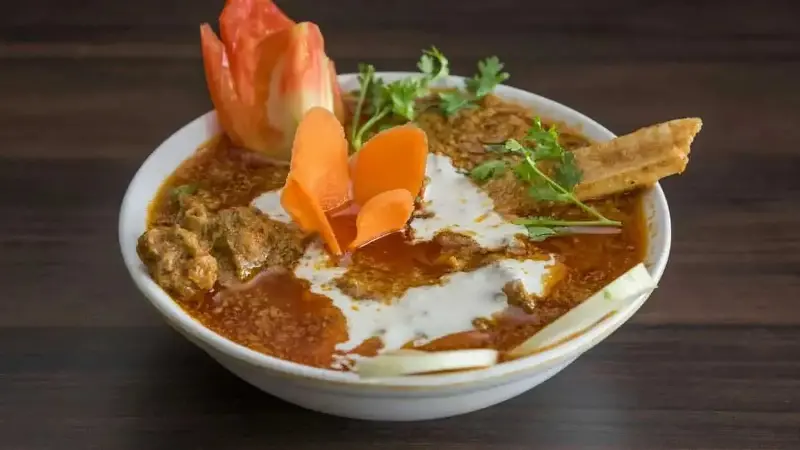
Another important hack involved in cooking with an infrared cooktop is to go for cookware which absorbs heat at a slower pace. This is an especially useful trick while slow-cooking dal or gravy. A cast-iron kadai or stainless steel fry pan with a heavy base will warm up slowly, the heat will transfer to the food cooking inside at a more regulated pace and this will lend the dish a very uniform, even cook. Even heat distribution also actively cuts down the risk of burning, so slow-cooking can happen without the risk of masalas burning and sticking to the bottom of the pan.
If you don’t have Usha’s Induction Cooktop, Shop Now 
 Stir Frequently
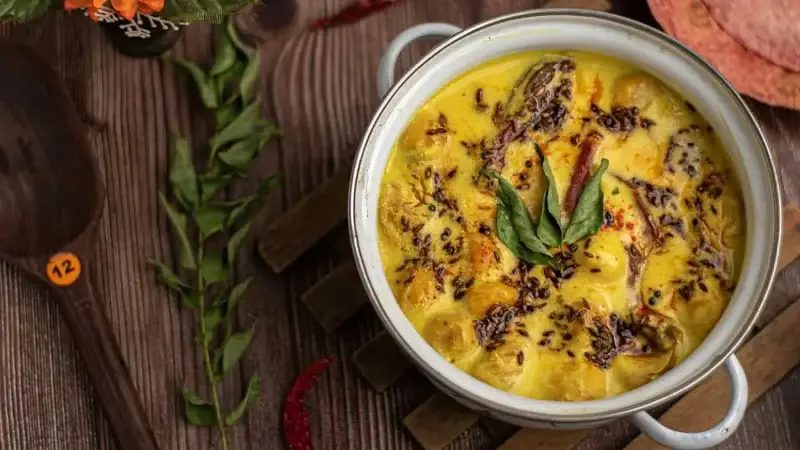
While infrared cooktops are useful for slow-cooking, one thing to remember is that they work quite similar to a gas stove. So temperature cannot be controlled on the infrared by pushing a few buttons. It has to be carefully monitored which means that the gravy cooking in the fry pan also needs to be stirred after every few minutes for it to cook uniformly. This will make the slow-cooking process more precise, allow the masalas to bloom better and prevent them from burning or overcooking.
Use Residual Heat
The importance of this hack while using an infrared cooktop cannot be overstated. Slow cooking is more than just letting a gravy simmer on low heat for a long time. Letting the dish settle down after it has been fully cooked to make its flavours steep well is an important part of the slow cooking process. This becomes easy on an infrared cooktop because once the dish is ready, the stove can be switched off and the residual heat will take care of finishing up the cooking. It will also keep the dish warm while the flavours bloom in the gravy.
Lids For Moisture Lock-In
Not only do lids perform the function of quickening the cook on a curry or sabzi, but while using the slow-cooking technique, they also lock-in moisture which prevents the dish from drying out. This is especially crucial for slow-cooked dals, meat curries or one-pot meals that require more moisture retention. Using lids on gravies cooking on the infrared cooktop helps the food to cook uniformly, trapping moisture better even as the dish cooks on low heat for a long period.