



The monsoon season provides some respite from the intense heat, but it also brings with it humidity, the biggest impact of which is on indian kitchens. Unlike the summer season, when dry conditions help grains and spices remain fresh, the moisture-filled air during the rainy season affects pantry staples quickly.
Rice may get insects, atta can turn lumpy, dals may get weevils, and whole spices can lose their fragrance or turn mouldy if not stored properly. High humidity leads to fungal growth and makes ingredients absorb moisture from the air, which reduces both their shelf life and taste.
That said, keeping your pantry fresh during monsoon season does not need any extensive storage resolutions. A few simple smart habits, the proper storage box, and constant pantry checks are enough to protect everyday essentials. Here are five useful ways to humidity-proof your pantry during the monsoon season to keep it usable throughout.
Store Rice And Dal In Airtight Containers
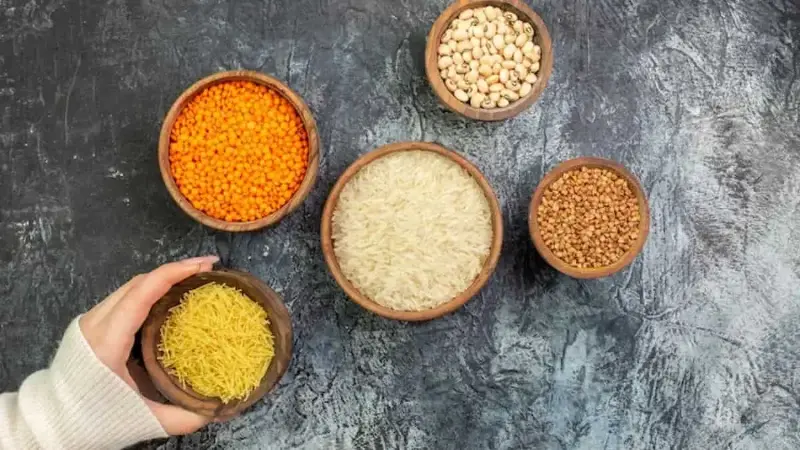
Rice and pulses can soak up the moisture very easily during the monsoon season, making the perfect environment for weevils and mould to thrive. Once you open a new packet, transfer it into airtight glass or food-grade steel boxes. For extra safeguard, place 2–3 dried bay leaves, a few dried neem leaves, or whole cloves in the container.
Their natural fragrance helps prevent pantry insects without impacting the flavour of the grains. Apart from this, buy only in portions that you can finish within a few months rather than stocking up for the whole season.
Do
- Use thoroughly dry, airtight containers
- Keep containers away from damp walls or the kitchen sinks
- Check the grains every week so that there are no insects or moisture.
Don't
- Store rice or dal in open boxes
- Mix fresh stock with older ones
- Use wet spoons or hands to take them out for use
(Image credit: Freepik)
Keep Atta Dry And Buy Smaller Quantities
Whole wheat flour is especially vulnerable during the rainy season as its natural oils can turn sour when exposed to heat or humidity. Instead of storing the flour in large portions, buy enough flour that can be used in two to three weeks.
Transfer it instantly into an airtight container and keep it in the coolest and driest part of your kitchen. If you live in a highly humid place, keep a portion of the flour in the refrigerator to keep it fresh and prevent any insect infestation.
Do
- Store flour in airtight boxes
- Purchase smaller packs during the monsoon season
- Keep the box in a cool and dry area.
Don't
- Leave the box open after using
- Place it near the stove or the wet, damp area
- Ignore symptoms of lumps or any unusual odours
Protect Whole And Ground Spices From Moisture
Spices tend to lose their aroma fast if exposed to moisture. Ground spices are particularly sensitive to moisture due to their larger surface area. Store turmeric, chilli powder, coriander powder, cumin, and garam masala in tightly packed jars, away from direct sunlight and steam.
Whenever feasible, buy whole spices and then grind them at home in small batches to use for better taste and to increases its shelf life. Always use a dry spoon while using spice powders.
Do
- Store spices in small airtight boxes
- Grind whole spices as and when required
- Keep spice boxes away from steam
Don't
- Shake spice jars directly over the cooking pots.
- Store spices beside the gas stove
- Leave lids open after using, as the aroma can fade away
Avoid Moisture Build-Up Inside Containers
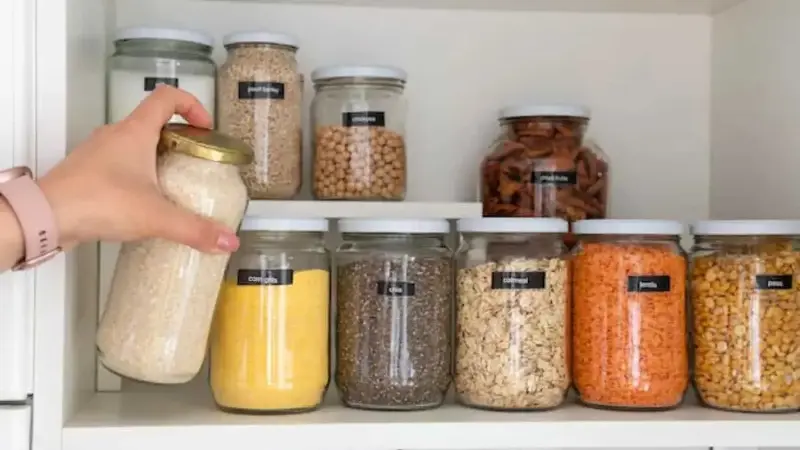
Even the best boxes can entrap moisture if ingredients are stored while they are still warm or damp. Always let the roasted ingredients, homemade spice mixes, or freshly milled flour cool down thoroughly before transferring them to the storage boxes.
Wipe the containers fully dry before you refill, and never fill up old stock without cleaning and drying the jar. Moisture entrapped within can foster the growth of mould much before you notice it.
Do
- Dry containers thoroughly before refilling
- Cool ingredients such as freshly milled flours or ground spice mixes before storing them
- Clean boxes between refills.
Don't
- Refill boxes without washing them
- Store and pack warm ingredients instantly
- Ignore condensation within containers
(Image credit: Freepik)
Inspect And Rotate Your Pantry Regularly
Monsoon is the best season to follow the "first in, first out" law. Arrange older ingredients in the front row and more recent purchases after them so that nothing is left unused for a long time. Once a week or every fifteen days, check and clean your pantry for insects, moisture, mould, or any unusual odours.
Wipe shelves with a dry, clean cloth and ensure that the area is well-ventilated. Regular checks help in catching issues much earlier, before they even spread to other ingredients.
Do
- Inspect pantry shelves every week or every fifteen days
- Rotate ingredients regularly.
- Keep shelves clean and dry.
Don't
- Ignore the expired or long-unused products
- Store food in cupboards that are damp
- Overcrowded pantry shelves.