


India, July 20 -- As food manufacturers navigate increasingly diverse product portfolios, smaller production batches, rising operating costs and growing sustainability expectations, flexibility and efficiency have become critical to packaging operations. For mid-sized producers in particular, the ability to handle multiple products and packaging formats on a single machine while keeping changeovers fast, operations simple and lifecycle costs under control is becoming increasingly important.
Against this backdrop, GEA has developed the PowerPak 5000 thermoforming packaging machine as a modular and scalable solution designed to address the evolving needs of food producers. The system supports a wide range of applications, including modified atmosphere packaging (MAP), vacuum, skin and steam packaging, while incorporating features such as tool-free changeovers and the software-based Changeover Assist function to simplify operations and reduce setup-related errors.
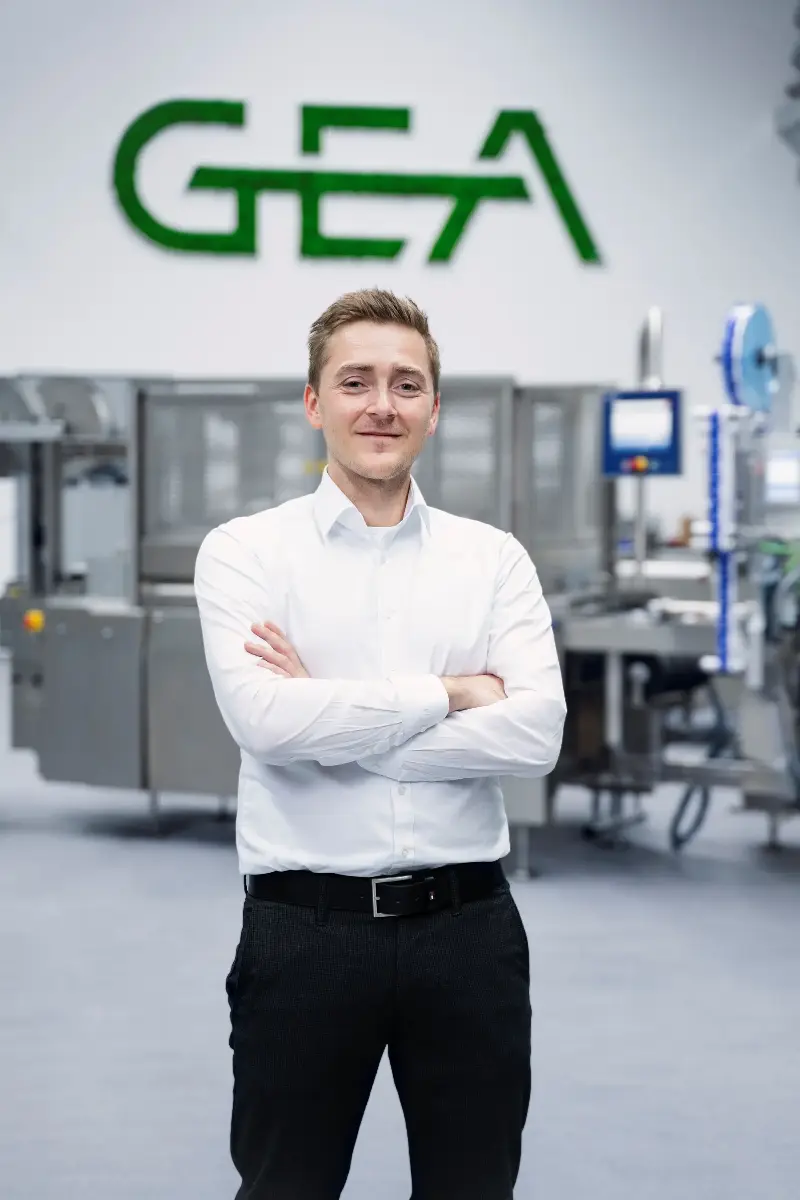
In this interview with NUFFOODS Spectrum Asia, Stefan Runkel, Product Manager Thermoforming at GEA, discusses the market challenges that shaped the development of the PowerPak 5000, how the system helps medium-sized food manufacturers balance flexibility with cost efficiency, and the role of automation, digitalisation and sustainability in the future of thermoforming technology.
What key market challenges and customer requirements led to the development of the PowerPak 5000?
What we observe in the market is a growing number of food producers handling a high variety of products in increasingly smaller batch sizes. In many cases, these batch sizes are too small to justify dedicated machines for individual products. At the same time, production space is often limited.
As a result, manufacturers typically operate one machine for multiple products and must frequently change pack sizes, materials, and formats. This leads to multiple changeovers per day, including tooling adjustments.
In addition, the industry is facing significant cost pressure from retailers and end customers, a rising demand for sustainable packaging, and a shortage of skilled operators. Combined with a rapidly changing global economic environment, these factors were key drivers behind the development of the PowerPak 5000.
It is designed to be an affordable, robust, and highly reliable "workhorse," optimized for fast and easy changeovers.
How does this system help medium-sized food producers balance automation, operational flexibility, and cost efficiency?
We deliberately focused on delivering what customers truly need, rather than introducing maximum technological complexity for its own sake.
In daily operation, our customers require machines that are easy to operate, maintain, and troubleshoot. Reducing unnecessary complexity not only lowers investment costs but also improves usability and reliability.
Flexibility is ensured through a modular machine design, allowing adaptation to changing market requirements. In addition, the entire GEA portfolio enables us to act as a single-source supplier for a wide range of applications.
Whether it is a new pack size, integrated labeling solutions, or the addition of robotic loading to increase output and reduce labor costs - the system can be expanded without requiring major redesigns. This scalability is a key reason why customers choose our solutions.
How does the PowerPak 5000 simplify changeovers and improve production efficiency for diverse product portfolios?
One of the key features of the system is our new Changeover Assist function. It effectively enables every operator to work at a professional level, even on their first day with a GEA machine.
It is a software-based guidance system that supports step-by-step changeovers between products. Instructions are provided through a combination of text, images, and videos, ensuring a clear and structured process.
Beyond machine operation, customers can also store product-specific setup data, such as film materials or labels. This is critical, as a significant proportion of production errors are caused by incorrect setup parameters, leading to downtime, product loss, and material waste.
With the Changeover Assist, we have significantly reduced these risks and improved overall process reliability.
In what ways does the machine contribute to reducing downtime, resource consumption, and overall lifecycle costs?
In addition to the Changeover Assist, the machine has been designed for tool-free changeovers. Components that require regular access are easily reachable, significantly reducing downtime during operation.
A key focus during development was the people working with the machine on a daily basis - operators, maintenance staff, and cleaning personnel. Only if the machine is intuitive and efficient to use can customers achieve maximum productivity.
Regarding lifecycle costs, the equation is quite simple. With an average machine lifetime of around 20 years, our systems are proven to deliver long-term value. Customers invest once and benefit from decades of reliable operation.
Furthermore, we have reduced technical complexity, which means fewer components, sensors, and wear parts. Fewer parts naturally result in fewer potential failure points and lower maintenance costs over the entire lifecycle.
How important is the machine's packaging versatility (MAP, vacuum, skin, and steam) for manufacturers across categories like dairy, seafood, and plant-based foods?
Packaging versatility is a highly valued feature among our customers, as not every system can efficiently handle such a wide range of applications.
While certain mechanical adjustments are required between formats, we have designed these transitions to be as simple and efficient as possible. Beyond different product types, manufacturers increasingly need to run multiple packaging applications.
Each product requires the most suitable packaging solution. Switching, for example, from vacuum-packed sausages to deli slices in MAP trays is straightforward. Combining these options with skin packaging or even steam applications - without fully rebuilding the machine - represents a high level of engineering flexibility.
This versatility ensures that customers invest in a future-proof system capable of adapting to evolving market demands.
How does GEA envision the evolution of thermoforming technology for mid-sized manufacturers over the next few years?
We see three key drivers shaping the future of thermoforming technology: automation, digitalization, and sustainability.
Automation remains a major challenge today, particularly given the high product diversity and limited production space. Handling tasks such as sausage loading is fundamentally different from loading sliced products or complex ready meals. The goal is to develop solutions capable of handling this entire spectrum flexibly and efficiently.
In terms of digitalization, full transparency, remote access, and predictive support are already becoming standard. The next step is systems that actively support operators, guide troubleshooting, and increasingly adjust themselves autonomously. Our long-term vision is a production line that essentially operates with a "green button and a red button," with the system managing the rest.
Sustainability is equally critical. This includes the ability to process recyclable packaging materials, but goes far beyond that. GEA is committed to becoming a net-zero company by 2040, and part of this commitment is helping customers reduce their own resource consumption.
This includes improving energy efficiency, minimizing food waste, and reducing consumable usage wherever possible.