



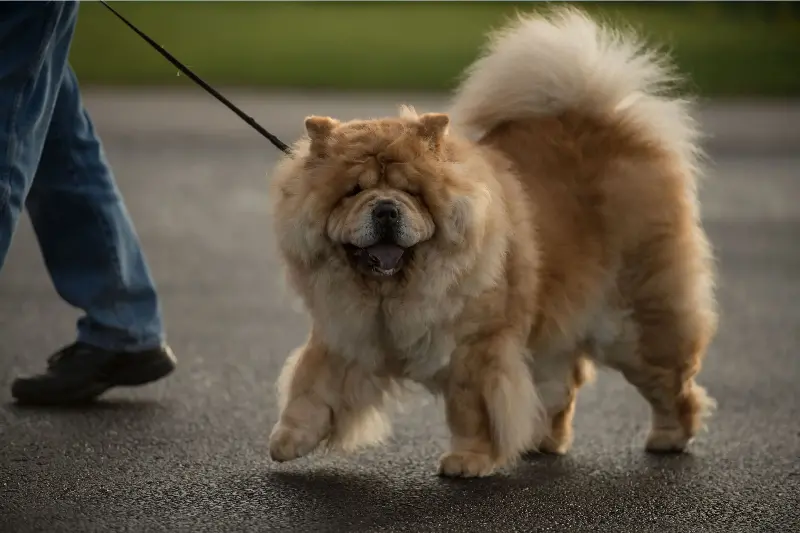
New smart‑collar data shows that several dog breeds have adopted a more relaxed approach to exercise, registering some of the lowest average daily step counts—including breeds traditionally considered athletic—placing them among the least active in the United States.
Fi analyzed millions of steps collected over 90 days, drawing from a nationwide pool of dogs wearing its GPS‑enabled collars. The picture that emerges is one of surprising variability. While the most active dogs can hit upward of 20,000 steps a day, the least active fall well below that figure, settling into a quieter rhythm of shorter walks and longer rest periods.
The new dataset, with more than 17 million walks and 334 billion steps, is larger and more representative than in previous years, thanks in part to the launch of Fi Mini, which enabled the company to include smaller and harder‑to-track dogs for the first time. With more breeds, more sizes and more daily routines represented, the rankings now offer a clearer look at real-world canine behavior, Jonathan Bensamoun, CEO and Co-founder of Fi, told Newsweek in a statement.
Of breeds with at least 500 active dogs, Akitas ranked the least active, logging an average of 9,471 steps.
Their temperament and energy profile make this result unsurprising: according to the American Kennel Club, Akitas are not highly active dogs and do well with moderate daily exercise, such as a single brisk walk or jog, along with short bursts of play. Combined with their large size and calm indoor demeanor, this steady but limited activity level naturally keeps their step count lower than that of dogs that thrive on long, frequent outings.
Just above them are Alaskan malamutes, averaging 10,189 steps per day. Despite their reputation as sled-pulling powerhouses, malamutes are built for strength and endurance, not constant motion, which can translate into lower daily step totals.
Rounding out the top 10 least active dog breeds are Chow Chows, Greyhounds, American bulldogs, American bullies, American Staffordshire terriers, Labrador huskies, Great Danes, and pit bulls, with steps between 10,327 and 11,729 per day.
Why Some Breeds Move Less
Looking at the data, many of the top 10 least active dogs are also among the largest breeds, which aligns with recent behavioral research.
A 2025 study published in PLOS One, which analyzed over 47,000 dogs enrolled in the Dog Aging Project, found that size was statistically associated with differences in multiple behavioral domains, including attention and excitability. Larger dogs tended to have lower excitability scores, suggesting they naturally exhibit calmer, less active daily rhythms compared to smaller dogs.
The researchers noted that behavior, size and overall well‑being are closely connected, reinforcing the idea that many large dogs aren’t wired for nonstop activity, even when they appear physically built for it.
Temperament also plays a major role in why some breeds accumulate fewer steps. Akitas and Chow Chows are known for their independent, reserved spirits rather than their high-octane enthusiasm, making them less inclined to seek constant activity, which aligns with the step patterns reflected in Fi’s data.
Surprising Stats
One of the most unexpected findings is the presence of Greyhounds among the lowest‑movement breeds, which Bensamoun said often catches people off guard. Known as one of the fastest dog breeds, Greyhounds averaged about 10,655 steps daily. But for these racing dogs, speed does not equal stamina.
“Everyone assumes they’re one of the most active breeds; they’re literally built for speed,” he said. “But Greyhounds are sprinters, not marathon runners. They’ll hit 45 mph and then spend the rest of the day on the couch…Without the numbers, you’d never know.”
Bensamoun said that surprising stats like this one become valuable for challenging long-held assumptions about certain breeds.
What This Means for Owners
People often assume these dogs are couch potatoes, but low activity and step counts do not mean low maintenance. Even lower-energy breeds still require daily exercise and mental enrichment, which are essential for preventing boredom, anxiety, and destructive behaviors, as well as unhealthy weight gain.
As smart‑collar tracking becomes more common, these step‑count benchmarks give owners a clearer sense of what “normal” looks like for their dog’s breed, Bensamoun said. They can make it easier to notice subtle changes, such as declining mobility in senior dogs or shifts in routine that may signal early illness. For people considering one of the less active breeds, this data offers a realistic picture of their everyday energy levels—and what kind of lifestyle may best suit them.