


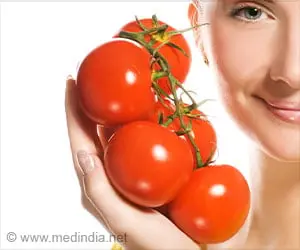
Chennai, July 2 -- Highlights:
* Tomatoes contain lycopene, a powerful antioxidant linked to protection against UV-induced skin damage
* Clinical studies suggest regular tomato consumption may improve the //skin's natural defense against sunlight and oxidative stress
* Tomatoes support healthy skin as part of a balanced diet but cannot replace sunscreen or proper skincare
From glowing skin routines to celebrity diets, tomatoes are often promoted as a natural beauty food . Their bright red color comes from lycopene , a carotenoid antioxidant that has attracted scientific interest for its potential role in protecting the skin from environmental damage ( ref1 ).
Several studies have explored whether eating tomatoes regularly can improve skin health. While the findings are encouraging, experts agree that tomatoes are only one part of an overall skin-friendly lifestyle that includes good nutrition, hydration , adequate sleep, and sun protection ( ref2 ).
Why Are Tomatoes Considered Good for Skin?
Tomatoes are packed with nutrients that contribute to overall skin health ( ref3 ). Lycopene
Lycopene is one of the strongest dietary antioxidants. It helps neutralize free radicals generated by ultraviolet (UV) radiation, pollution, and normal metabolism , reducing oxidative stress that contributes to premature skin ageing. Vitamin C
Vitamin C plays a vital role in collagen production , wound healing, and maintaining skin firmness and elasticity. Beta-Carotene Beta-carotene acts as another antioxidant and is converted into vitamin A , an essential nutrient for healthy skin cell turnover. Polyphenols
Tomatoes also contain several plant compounds that may help reduce inflammation and protect skin cells from environmental damage. Water and Potassium
With their high water content and potassium, tomatoes also contribute to hydration, which supports healthy skin function.
What Does Research Say About Tomatoes and Skin Health?
Multiple human studies suggest that tomatoes may help improve the skin's resistance to sun-induced damage, primarily because of their antioxidant content.
Researchers have found that regular consumption of tomato-based foods may:
* Increase lycopene levels in the skin
* Reduce UV-induced skin redness (erythema)
* Lower oxidative stress
* Reduce inflammatory responses following sun exposure
* Improve skin hydration
* Support collagen maintenance
* Improve overall skin appearance
However, the benefits are generally modest and work best when tomatoes are consumed as part of a healthy diet rather than as a standalone solution.
Research Snapshot td{ padding:10px; } th{ background: #187681; color:white; } Study Participants Key Finding 2005 human study Healthy adults Tomato-derived lycopene increased skin lycopene levels and reduced UV-induced redness after 12 weeks. 2011 randomized controlled trial 20 healthy women Daily tomato paste reduced markers of photodamage and improved skin protection against UV radiation. 2017 placebo-controlled trial Healthy volunteers Lycopene-rich tomato nutrient complex reduced gene activity linked to oxidative stress and photoageing. 2019 randomized trial 149 adults Tomato extract reduced UV-induced redness and inflammatory markers. 2024 randomized clinical trial 62 adults Tomato extract improved skin hydration, brightness, and antioxidant status after eight weeks.
How Does Lycopene Protect the Skin?
Every day, the skin is exposed to ultraviolet radiation, pollution, and other environmental stressors that generate unstable molecules called free radicals.
These molecules damage collagen, elastin, and skin cells, contributing to:
* Wrinkles
* Fine lines
* Pigmentation
* Loss of elasticity
* Premature ageing
Lycopene helps neutralize these free radicals before they cause extensive cellular damage.
Researchers also believe lycopene may:
* Reduce inflammatory responses after UV exposure
* Help preserve collagen
* Protect skin cells against oxidative injury
* Improve the skin's natural resistance to sunlight
Because lycopene accumulates gradually in the skin, its protective effects appear to increase with regular dietary intake.
Can Tomatoes Help Prevent Premature Skin Ageing? Chronic exposure to sunlight is one of the leading causes of premature skin ageing, often called photoaging . Oxidative stress damages collagen fibres, leading to wrinkles, roughness, and uneven pigmentation.
Studies suggest that lycopene-rich tomato products may help reduce some of these effects by limiting oxidative damage and inflammation.
However, tomatoes should not be viewed as an anti-ageing treatment. Their benefits are supportive rather than dramatic, and they work best alongside healthy lifestyle habits.
Can Tomatoes Replace Sunscreen?
No. Although tomatoes may improve the skin's natural defenses against UV damage, they do not block ultraviolet radiation like sunscreen does . Sunscreen physically or chemically prevents harmful UV rays from penetrating the skin , whereas tomatoes provide internal antioxidant support that may help reduce some of the cellular damage caused by sun exposure.
Dermatologists continue to recommend:
* Broad-spectrum sunscreen (SPF 30 or higher)
* Protective clothing
* Seeking shade during peak sunlight hours
Eating tomatoes should be viewed as an additional nutritional strategy-not a replacement for sun protection.
How Much Tomato Is Needed for Skin Benefits?
Most clinical studies used approximately 10-16 mg of lycopene daily , usually through tomato paste, cooked tomatoes, or concentrated tomato products over several weeks ( ref4 ).
Because cooking breaks down plant cell walls, cooked tomatoes often provide more absorbable lycopene than raw tomatoes.
Adding a small amount of healthy fat such as olive oil can further improve lycopene absorption because it is a fat-soluble nutrient.
Easy Ways to Add More Tomatoes to Your Diet
Including tomatoes regularly doesn't have to be difficult.
Healthy options include:
* Fresh tomatoes in salads
* Homemade tomato soup
* Tomato curry
* Tomato chutney
* Tomato-based pasta sauces
* Roasted tomatoes
* Salsa
* Low-sodium tomato juice
Pairing tomatoes with olive oil, nuts, or avocado can improve lycopene absorption.
Are There Any Risks of Eating Tomatoes Every Day?
For most healthy individuals, tomatoes are safe and nutritious. However, some people may need to moderate their intake. People with acid reflux (GERD) may notice worsening heartburn because tomatoes are naturally acidic.
Rarely, tomato allergies can occur.
Individuals with advanced kidney disease who need to restrict potassium intake should consult their healthcare provider before significantly increasing tomato consumption.
What This Means for Your Skin
Healthy skin depends on much more than any single food.
Research suggests tomatoes may provide valuable antioxidants that help reduce oxidative stress and support the skin's natural defenses against sun damage.
However, noticeable improvements in skin health are more likely when tomatoes are combined with other healthy habits, including a balanced diet rich in fruits and vegetables, adequate hydration, quality sleep, regular physical activity, and consistent sun protection.
Rather than looking for one "superfood" for glowing skin, focusing on an overall healthy lifestyle remains the most effective long-term strategy. medfaq References:
* The efficacy of a novel tomato extracts formulation on skin aging and pigmentation: A randomized, double-blind, parallel-controlled trial - (https://www.sciencedirect.com/science/article/pii/S2950306X24000037)
* Tomato Phytonutrients Balance UV Response: Results from a Double-Blind, Randomized, Placebo-Controlled Study - (https://pubmed.ncbi.nlm.nih.gov/30836363/)
* Tomatoes protect against development of UV-induced keratinocyte carcinoma via metabolomic alterations - (https://www.nature.com/articles/s41598-017-05568-7)
* Tomato paste rich in lycopene protects against cutaneous photodamage in humans in vivo: a randomized controlled trial - (https://pubmed.ncbi.nlm.nih.gov/20854436/)
Source-Medindia