


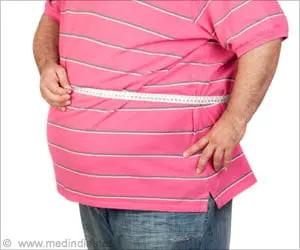
Chennai, July 9 -- Highlights:
* Excess belly fat was associated with faster biological aging and poorer metabolic health
* Visceral fat surrounding internal organs appears to be more harmful than fat stored elsewhere in the //body
* Maintaining a healthy waist circumference may help support healthy aging and reduce disease risk
Your birth certificate tells you how many years you have lived, but it does not reveal how old your body truly is. Scientists increasingly use the term biological age to describe how well the body's cells, tissues, and organs are functioning compared to a person's actual age. A growing body of research suggests that lifestyle, diet, stress, sleep, and body composition can influence biological aging (1). Now, a new study has identified excess belly fat as a potential driver of accelerated aging , providing fresh insight into why abdominal obesity is linked to chronic disease and shorter lifespan.
What is Biological Aging?
Biological aging refers to the gradual decline in cellular and physiological function that occurs over time. Unlike chronological age, which simply counts the years since birth, biological age reflects how healthy and resilient the body remains . Researchers often assess biological aging using biomarkers that indicate inflammation, metabolic health, cellular damage, and tissue function.
Some people may have a biological age younger than their actual age because of healthy lifestyle habits. Others may show signs of accelerated aging due to factors such as obesity, smoking, poor diet, physical inactivity, or chronic stress. Biological age is increasingly viewed as a stronger predictor of future health than chronological age alone.
How is Belly Fat Different from other Body Fat?
Not all body fat behaves in the same way. Fat stored just beneath the skin is known as subcutaneous fat , whereas fat that accumulates around internal organs is called visceral fat . This deeper abdominal fat is commonly referred to as belly fat and is considered metabolically active.
Visceral fat produces hormones, inflammatory chemicals, and other biological substances that can affect blood sugar regulation, cardiovascular health, and immune function. Researchers have long linked excess belly fat to conditions such as type 2 diabetes, heart disease, fatty liver disease, and certain cancers. The new findings suggest that visceral fat may also influence how quickly the body ages .
What did the New Study Find about Belly Fat and Aging?
Researchers from The University of Western Australia investigated the relationship between abdominal fat and biological aging. Their findings revealed that individuals with higher levels of visceral fat showed evidence of accelerated biological aging compared to those with lower amounts of abdominal fat.
The study suggests that excess belly fat may influence cellular processes associated with aging , potentially increasing vulnerability to chronic diseases later in life. While the research does not prove that belly fat directly causes aging, it strengthens the growing evidence linking abdominal obesity to long-term health decline.
Scientists believe that inflammatory signals released by visceral fat may contribute to cellular stress and biological wear and tear . These processes can gradually impair the body's ability to repair damage and maintain healthy organ function.
Why does Visceral Fat affect Long-Term Health?
Visceral fat surrounds critical organs, including the liver, pancreas, and intestines. Because of its location and biological activity, it can interfere with normal metabolic processes and promote chronic low-grade inflammation throughout the body.
Persistent inflammation has been associated with accelerated aging and a higher risk of cardiovascular disease, diabetes, cognitive decline, and other age-related conditions. Researchers often refer to this phenomenon as 'inflammaging' , a term describing the interaction between inflammation and aging.
Reducing visceral fat may therefore offer benefits that extend beyond weight loss, potentially supporting healthier aging and improved quality of life.
How can You Reduce Belly Fat and Support Healthy Aging?
Although genetics influence where fat is stored, lifestyle choices play a major role in abdominal fat accumulation. Regular physical activity , particularly a combination of aerobic exercise and strength training, can help reduce visceral fat levels.
A diet rich in vegetables, fruits, whole grains, lean proteins, and healthy fats may also support metabolic health. Limiting ultra-processed foods, sugary beverages, and excess alcohol intake can further help control abdominal fat accumulation.
Adequate sleep, stress management, and avoiding smoking are additional factors that support healthy aging. Small, sustainable changes often produce greater long-term benefits than extreme dieting approaches.
Can Waist Circumference Predict Future Health Risks?
Many experts consider waist circumference a useful indicator of metabolic health. Unlike body mass index (BMI), which does not distinguish between muscle and fat, waist measurements can provide insight into abdominal fat levels.
A larger waist circumference has been associated with an increased risk of heart disease, type 2 diabetes, and premature mortality. Monitoring waist size alongside other health measures may help identify risks earlier and encourage preventive action.
As researchers continue to investigate biological aging, waist circumference may become an increasingly important marker of long-term health and disease risk.
The study adds to growing evidence that excess belly fat affects more than appearance or body weight. Visceral fat may contribute to accelerated biological aging by promoting inflammation and metabolic dysfunction. Maintaining a healthy waist circumference through regular exercise, balanced nutrition, adequate sleep, and healthy lifestyle habits could help support healthy aging and reduce the risk of chronic disease. While aging cannot be stopped, the findings suggest that everyday choices may influence how quickly the body ages over time.
Frequently Asked Questions What is biological aging?
Biological aging refers to how well the body's cells and organs function compared to a person's chronological age.
Why is belly fat considered harmful?
Belly fat surrounds internal organs and releases inflammatory substances that can affect overall health.
Can reducing belly fat improve health?
Yes, reducing visceral fat may lower the risk of diabetes, heart disease, and other chronic conditions.
Is waist circumference more useful than BMI?
Waist circumference can provide additional information about abdominal fat and metabolic risk.
Can lifestyle changes slow biological aging?
Healthy habits such as exercise, balanced nutrition, good sleep, and stress management may support healthier aging. References:
* Optimal lifestyle patterns for delaying ageing and reducing all-cause mortality: insights from the UK Biobank (Liu C, Yang Z, He L, Xiao Y, Zhao H, Zhang L, Liu T, Chen R, Zhang K, Luo B. Optimal lifestyle patterns for delaying ageing and reducing all-cause mortality: insights from the UK Biobank. Eur Rev Aging Phys Act. 2024 Oct 5;21(1):27. doi: 10.1186/s11556-024-00362-7. PMID: 39369207; PMCID: PMC11456244.)
* Excess belly fat linked to faster biological ageing (https://www.uwa.edu.au/news/article/2026/june/excess-belly-fat-linked-to-faster-biological-ageing)
Source-Medindia