


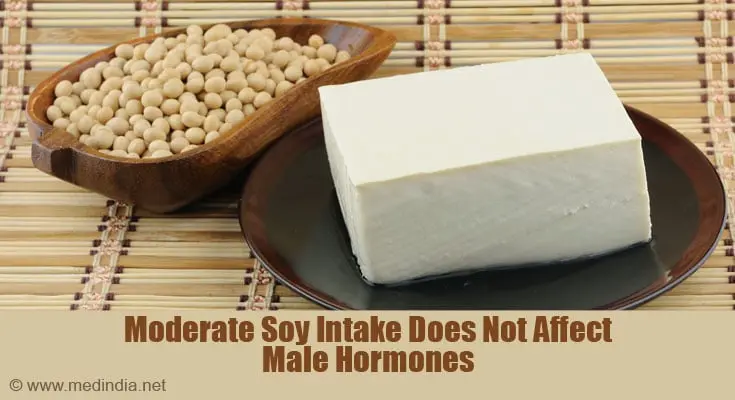
India, April 3 -- Soybeans have often been at the center of debates related to male hormones and body changes. A common claim suggests that consuming soy can lead to enlarged breast tissue in men. This condition, known as gynecomastia, is linked to hormonal imbalances. However, scientific evidence does not strongly support this widespread belief. Understanding soy myth in men helps separate fact from misinformation.
Experts explain that soy contains compounds called phytoestrogens, which are plant-based substances with mild estrogen-like effects. These compounds are much weaker than human estrogen and do not significantly alter hormone levels (1
). Most studies show that moderate soy intake does not affect testosterone levels in men (2
). Recognizing phytoestrogen effects is important for clarity.
Link Between Soy And Male Hormones
Several scientific studies have examined the relationship between soy consumption and male hormone levels. Research published in journals such as Reproductive Toxicology has found no significant changes in testosterone levels with soy intake. These findings suggest that soy foods are unlikely to disrupt hormonal balance (3
). The body regulates hormones through complex mechanisms that are not easily altered by diet alone. Understanding soy and testosterone helps address common concerns.
Most evidence indicates that normal dietary amounts of soy do not lead to hormonal changes. Concerns often arise from isolated case reports involving extremely high soy consumption. Such cases are not representative of typical eating habits. For the average person, soy intake remains safe and balanced. Recognizing scientific consensus helps reduce unnecessary fear.
Can Soy Really Cause Gynecomastia In Men?
Gynecomastia occurs when there is an imbalance between estrogen and testosterone levels in the body. This condition can be influenced by medications, obesity, or underlying health issues (4).
Soy consumption is rarely identified as a direct cause in clinical settings. There is limited evidence linking normal soy intake to breast tissue enlargement in men. Understanding gynecomastia causes provides better context.
In rare situations, excessive intake of soy products over prolonged periods may contribute to hormonal effects. However, such cases involve unusually high consumption far beyond typical diets. For most individuals, moderate soy intake does not pose this risk. Balanced eating habits are key to maintaining hormonal health. Recognizing moderate soy intake is important for safety.
Health Benefits Of Soy Foods In Daily Diet
Soy foods are rich in protein, fiber, and essential nutrients that support overall health (5).
They are often included in balanced diets for their potential cardiovascular benefits. Studies suggest that soy consumption may help lower cholesterol levels (6).
It also provides a plant-based protein option for individuals following vegetarian diets (7). Understanding soy health benefits highlights its nutritional value.
In addition to heart health, soy foods may support metabolic health and weight management. They can be part of a balanced diet when consumed in appropriate amounts. Including a variety of protein sources ensures nutritional diversity. Soy products such as tofu and soy milk can be healthy additions. Recognizing nutritional advantages helps make informed choices.
How Much Soy Is Considered Safe For Men?
Health experts generally consider moderate soy intake to be safe for men. This includes consuming soy foods as part of a balanced and varied diet. Typical dietary amounts do not lead to hormonal imbalances or health concerns. Portion control and variety remain important in maintaining overall nutrition. Understanding safe soy consumption helps avoid confusion.
Excessive intake of any single food may lead to imbalances in the diet. It is always recommended to maintain a diverse range of food sources. Consulting a healthcare professional can provide personalized dietary advice. Balanced nutrition supports long-term health and well-being. Recognizing dietary balance importance is essential.
Soy And Men's Health
Medical experts and nutrition researchers agree that soy is safe for most men. The fear surrounding soy and hormonal disruption is largely based on misconceptions. Evidence from clinical studies does not support significant risks from normal consumption. Public health guidance encourages balanced diets rather than avoiding specific foods without reason. Understanding expert opinion on soy provides reassurance.
For individuals with specific health conditions, personalized advice may be necessary. However, for the general population, soy remains a healthy dietary choice. Awareness and evidence-based information can help reduce unnecessary anxiety. Making informed decisions is key to maintaining good health. Following evidence-based nutrition supports wellbeing.