


The Untold Truth About Your Child’s First Three Years
From the moment a child takes that first breath, a world of invisible wonders begins unfurling. While much is written about milestones and “baby’s firsts,” science is just beginning to grasp the unseen magic unravelling in a child’s first three years. The reality may surprise you—and just might change how you think about early childhood forever.
Brains in Overdrive: Unravelling the Infant Mind
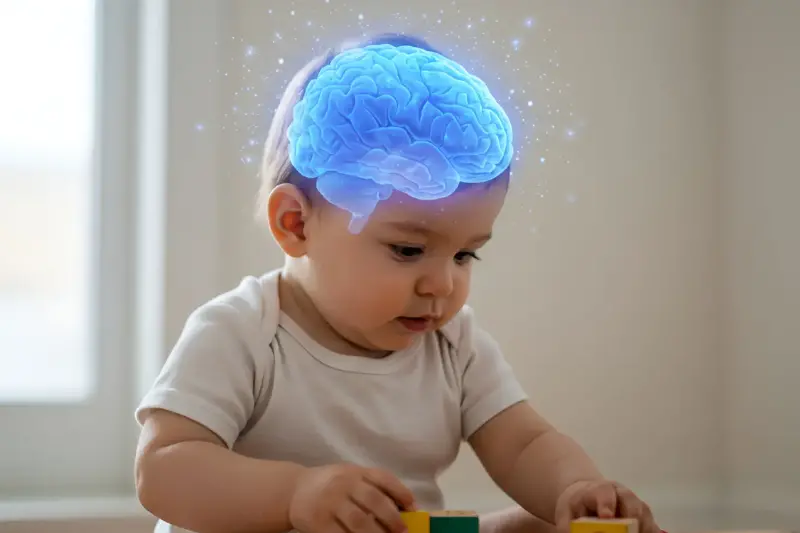
The brain of a one-year-old is wilder and busier than you might imagine. During these formative years, a child’s brain develops more than a million new neural connections every second. Yes, every single second.
Neuroscientists call this phenomenon “synaptic exuberance”: the brain isn’t just growing, it’s dramatically overproducing neural pathways in response to everything seen, heard, touched, and felt. By age three, a child’s brain will be about 80% of the size of an adult’s.
- Touch, sound, and eye contact are not just comforting—they literally shape the architecture of those neural highways.
- Early language exposure doesn’t just help with speaking; it forges deep pathways associated with emotional intelligence, planning, and logic.
- The sheer absorption capacity at this age has led some scientists to call infants “super learners”—with capabilities adults can only dream of.
Each giggle, babble, and gaze is actually a microscopic revolution rewiring your child’s mind.
Emotional Foundations: More Than Tantrums
We often think of feelings in toddlers in terms of outbursts and tears, but beneath this expressive surface lies an emotional tapestry being woven at speed. The attachment a child forms to a caregiver in the first few years is more than a comfort—it’s the blueprint for lasting relationships.
- Responsive care (hugging, soothing, paying attention) fosters not only security but resilience and confidence later in life.
- Even the most mundane moments—changing nappies, rocking to sleep—are coded by the child’s brain as lessons in trust and safety.
Don’t underestimate a cuddle—your embrace could be your child’s first lesson in hope.
The Language Explosion: More Than Words
It’s not your imagination: the toddler years unleash a linguistic explosion. By 18 months, a typical child understands at least 50 words; by three, most can comprehend more than 1,000. It’s a leap that defies almost all later learning speeds.
What fuels this rapid growth?
- Constant exposure: The more words and sounds a child hears, the faster the vocabulary grows. Babies absorb language like sponges—so talk, sing, and read.
- Imitation: Children eagerly mirror not just words, but tone, rhythm, and even accent.
- Emotional cues: Babies link words with feelings, giving language personal meaning.
Remarkably, the window for easily learning languages begins closing before many even start school, which is why early chatter matters so much.
The Art of Movement: More Than First Steps
Those wobbly steps are only the surface. Below decks, a dizzying symphony of coordination is tuning up. Each reach, grab, and tumble is powered by an intimate dance between brain and body.
- Fine motor skills (like grasping a spoon or stacking blocks) develop alongside major muscle coordination.
- Regular play and exploration, from crawling to finger-painting, lay the groundwork for problem-solving and spatial awareness.
The path from rolling over to running is your child’s first adventure in independence.
Though the early years pass in the blink of an eye, they contain a lifetime's worth of growth, learning, and emotion. What invisible wonders might you see tomorrow if you look at your child with fresh eyes today? In the end, it isn’t only children who grow—parents, too, discover new worlds in these fleeting, wondrous years.