


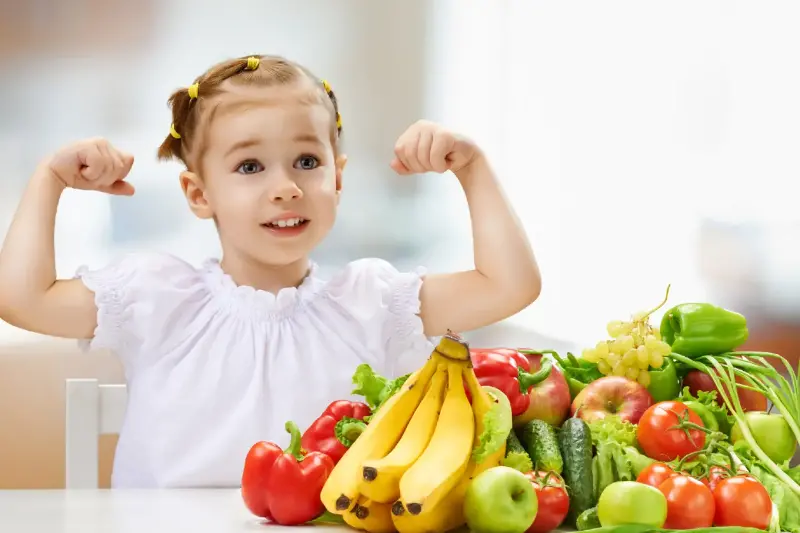
As any parent knows, getting children to eat their vegetables can sometimes feel like negotiating with a miniature, stubborn diplomat. The dinner table becomes a battleground, broccoli is the adversary, and peace seems like an impossible dream. But what if there were a simple, research-backed way to turn the tide in your favour—without tears, tantrums, or lengthy negotiations?
The Science Behind the Snack
Curiously, scientists who study child nutrition have discovered an unexpected truth: children are more likely to eat vegetables when they’re hungry and when those veggies are the only option available. In a set of studies from Pennsylvania State University, when schools served vegetables as the first—and only—food before the main meal, children ate up to 47% more vegetables than when the greens were served alongside other items.
Why does this work? When vegetables are the sole snack available, there’s no competition from bread, pasta, or dessert. Add real hunger, and children naturally gravitate toward the veggies rather than resist. It’s not about disguising flavours or bribing with pudding; it's about timing and choice.
Timing is Everything
The trick is simple: serve vegetables when your child is most likely to actually want to eat. After a long school day, before you prepare dinner, children often arrive home feeling ravenous. Instead of offering crackers or cheese, try handing them a colourful plate of raw vegetables. Carrot sticks, sweet peppers, cucumber rounds, sugar snap peas—whatever you have on hand.
Here’s why this window of time works magic:
- Hunger makes children less picky.
- Offering only veggies prevents "competing" foods from overshadowing them.
- The novelty of snacks outside of mealtimes often adds intrigue and excitement.
Imagine the scene: your little one rushes in, famished. You smile, hand them a plate of bright veggies, and—no protests. Just crunching.
How to Present Veggies for Maximum Appeal
Making vegetables irresistible takes hardly any effort, but a colourful presentation goes a long way. Here are some parent-tested tips:
- Variety is king: Cut at least three different vegetables into fun shapes or sticks. The rainbow effect catches the eye and appeals to their sense of adventure.
- Dips matter: Serve with a small dish of hummus, salsa, or yoghurt-based dip. Studies show children are more likely to eat (and enjoy) veggies with a flavourful dip.
- Easy reach: Place the vegetable platter directly within arm’s reach during homework or playtime. Out of sight means out of mind.
- Lead by example: Snack with your child. Children love to copy what adults are doing—if you’re munching on carrots, they’re more likely to do so too.
Sometimes, the sheer act of sharing vegetables as a pre-dinner treat boosts the sense of connection, making the snack a moment you both look forward to.
What to Avoid: The Common Pitfalls
Tempting as it may be to cajole, threaten loss of dessert or sneak veggies into hidden casseroles, research suggests these tactics often backfire in the long term. Consistently fighting over vegetables can make them feel like punishment, creating a negative association that lasts into adulthood.
Instead, experts recommend:
- Avoiding pressure, bribes, or punishments related to eating.
- Steering clear of masking or hiding vegetables entirely—children learn to distrust unknown ingredients.
- Keeping the mood relaxed and positive, even if the first attempt is only mildly successful.
Patience pays off. A calm, consistent approach builds trust and gradually changes preferences.

Will Your Child Become a Veggie Lover?
There’s no magic wand, but this one simple shift—offering veggies first, when hunger is high and options are limited—can turn everyday moments into healthy victories. Instead of negotiating at dinner, you might find your child developing genuine curiosity, exploring the crunch, sweetness and colours of real vegetables, without stress or resistance.
The next time you hear, “I’m hungry!” before dinner, you’ve already won half the battle. What other simple, science-backed shifts might change your family’s eating habits for good? The answer could be just a snack plate away.