


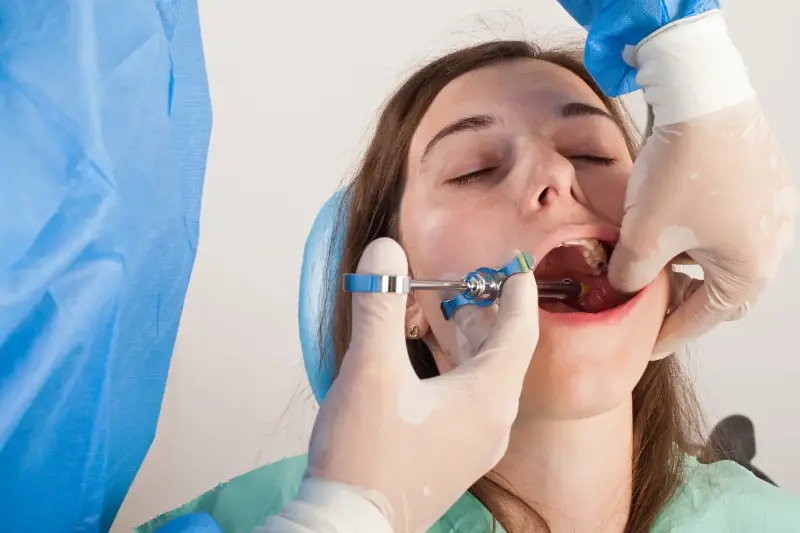
In recent years, scientists have started to view the mouth as much more than just the gateway to our digestive system. Beneath the surface, a microscopic world exists—a thriving metropolis of oral bacteria that might hold secrets to our mental health. A new study has sent ripples through both dental and psychiatric fields by suggesting that oral health could be linked to depression, making “you are what you eat” feel suddenly a lot more complex.
The Mouth-Mind Connection: New Insights Unveiled
Cutting-edge research from an international team of scientists has revealed a compelling link between oral bacteria and mental well-being. By analysing saliva samples and medical histories from hundreds of participants, researchers found striking differences in the microbial makeup of people suffering from depression compared with those who were not.
It turns out our mouth harbours more than 700 species of bacteria, and these tiny organisms don’t just affect our teeth and gums—they’re thought to communicate with the brain via immune, hormonal, and even neural pathways. In people battling depression, certain types of bacteria, especially those linked with inflammation and gum disease, were seen in much higher quantities.
How Oral Health Mirrors Mental State
So what’s the science behind this connection? Chronic gum disease, scientifically known as periodontitis, triggers ongoing inflammation throughout the body. Scientists speculate that this persistent inflammation may fuel or worsen symptoms of depression. Imagine the body constantly fighting a microscopic battle—energy diverts from maintaining mental well-being.
Notable findings from the study include:
- People with moderate to severe depression had less bacterial diversity in their mouths.
- Increased levels of “bad” bacteria, such as Porphyromonas gingivalis, were common in those suffering from chronic low mood.
- Higher bacterial inflammation markers tended to coincide with more severe depressive symptoms.
It seems the mouth acts as a mirror, reflecting internal struggles that go far beyond cavities or bleeding gums.
From Brushing to Mood Lifting: Daily Habits Matter
You might be wondering: can healthy brushing habits alleviate depression? While oral hygiene alone won’t serve as a cure, mounting evidence suggests that looking after your mouth may support overall mental health—even potentially reducing the intensity or duration of depressive episodes.
Here are some practical habits that could make a difference:
- Brush and floss regularly: Twice-daily brushing and daily flossing play a big role in keeping inflammatory bacteria at bay.
- Eat a balanced diet: Foods rich in fibre, probiotics, and low in sugar can encourage good bacteria and protect against harmful species.
- Schedule dental check-ups: Regular visits catch problems early, before they cause inflammation or discomfort.
- Pay attention to oral discomfort: Bleeding gums or persistent bad breath may signal an underlying issue—and it’s worth speaking to your dentist or doctor, especially if paired with mood changes.

What Science Still Wants to Know
While the study’s findings are ground-breaking, they raise as many questions as they answer. Does improving oral health directly boost our moods, or is it simply a useful biomarker? Could future antidepressants target oral bacteria as well as brain chemistry? The mouth-to-mind pathway is a promising, yet largely untapped, frontier.
Scientists are now seeking to understand whether manipulating oral bacteria through diet, probiotics, or targeted therapies could become a new tool in battling depression. More extensive, long-term studies are already underway to untangle cause from effect.
As we brush our teeth tonight, perhaps we’ll pause and consider: are we simply protecting our smile, or might we be nurturing our minds as well? The world inside our mouths is richer and more mysterious than we ever imagined—beckoning curious minds to explore, question, and discover what else these invisible citizens can tell us about the state of our mental and emotional health.